



Comprehensive Guide to Dental Hygiene for Dogs
Comprehensive Guide to Dental Hygiene for Dogs
Understanding Dog Toothpaste & Toothbrush Sets
Key Features of a High-Quality Dog Toothbrush Set
A high-quality dog toothbrush set should be designed specifically for pets, ensuring safety and effectiveness during teeth cleaning sessions. Key features include:
- Material: Look for toothbrushes made of silicone, PP, TPR, and synthetic fibers, which are durable and gentle on your pet's teeth and gums.
- Handle Size: Opt for a toothbrush with a long handle, measuring approximately 22cm (8.66 inches), making it easier for you to reach all areas of your dog's mouth.
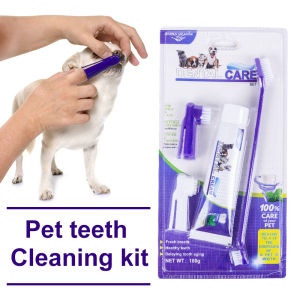
- Finger Toothbrushes: Choose finger toothbrushes that fit comfortably on your fingers, such as the blue and white finger toothbrushes, both measuring approximately 62cm (2.360.78 inches).
Choosing the Right Dog Toothpaste
When selecting dog toothpaste, consider the following factors:
- Flavor: Dogs enjoy flavors like chicken, peanut butter, and vanilla. Choose a flavor that your pet will enjoy to make teeth cleaning sessions more enjoyable.
- Ingredients: Look for toothpaste that contains natural ingredients and avoids harsh chemicals. Ensure that the toothpaste is safe for pets and doesn't contain xylitol, which is toxic to dogs.
- Size: Choose a toothpaste tube that is easy to handle and has a convenient size, such as the gel toothpaste measuring approximately 153.6cm (5.901.41 inches).
Benefits of Regular Teeth Cleaning for Pets
Regular teeth cleaning for pets offers several benefits, including:
- Preventing Dental Problems: Brushing your dog's teeth helps remove plaque and tartar buildup, reducing the risk of dental problems such as periodontal disease, tooth decay, and bad breath.
- Improving Overall Health: Good oral hygiene contributes to better overall health by preventing infections and reducing the risk of heart disease, kidney disease, and liver disease.
- Enhancing Quality of Life: By keeping your dog's teeth clean and healthy, you can help improve their quality of life and ensure they enjoy a happy, pain-free life.
How to Use a Dog Toothbrush & Toothpaste Set
Step-by-Step Guide to Cleaning Your Dog's Teeth
Follow these steps to effectively clean your dog's teeth using a toothbrush and toothpaste set:
- Start Slowly: Begin by introducing your dog to the toothbrush and toothpaste gradually. Let them sniff and explore the items before attempting to brush their teeth.
- Choose the Right Time: Find a time when your dog is relaxed and willing to cooperate. Avoid brushing their teeth when they're hungry, tired, or anxious.
- Brush Gently: Start by brushing the front teeth gently, then move on to the back teeth. Be sure to brush both the inside and outside surfaces of the teeth.
- Use the Finger Toothbrush: For smaller dogs or puppies, consider using a finger toothbrush to make the brushing process easier.
- Reward Your Pet: After brushing your dog's teeth, reward them with praise, treats, or playtime to reinforce positive behavior.
Tips for Making Teeth Cleaning Sessions Easier
To make teeth cleaning sessions easier for both you and your dog, consider the following tips:
- Start Early: Begin brushing your dog's teeth when they're young, so they become accustomed to the process.
- Be Patient: Take your time during brushing sessions, and don't rush the process. This will help your dog feel more comfortable and relaxed.
- Use Positive Reinforcement: Reward your dog with treats and praise after each brushing session to encourage good behavior.
- Choose the Right Products: Use a high-quality toothbrush and toothpaste set specifically designed for pets to ensure safety and effectiveness.
Maintaining Good Dental Hygiene Habits
To maintain good dental hygiene habits for your dog, consider the following tips:
- Brush Regularly: Aim to brush your dog's teeth at least once a week, or more frequently if recommended by your veterinarian.
- Provide Dental Chews: Offer dental chews or toys to help keep your dog's teeth clean between brushing sessions.
- Monitor Your Dog's Oral Health: Regularly inspect your dog's mouth for signs of dental problems, such as bad breath, bleeding gums, or loose teeth.
Exploring Pet Dental Care Kits
Overview of Pet Dental Care Kits
Pet dental care kits are comprehensive packages that include everything you need to maintain good oral hygiene for your pet. These kits typically include:
- Toothbrush: A high-quality toothbrush designed specifically for pets.
- Toothpaste: A pet-safe toothpaste in a flavor your dog will enjoy.
- Finger Toothbrushes: Finger toothbrushes for smaller dogs or puppies.
- Dental Chews: Dental chews or toys to help keep your dog's teeth clean between brushing sessions.
Comparing Different Types of Kits
When comparing different types of pet dental care kits, consider the following factors:
- Price: Determine the cost of each kit and choose one that fits your budget.
- Features: Consider the features included in each kit, such as the type of toothbrush, toothpaste, and dental chews.
- Ease of Use: Choose a kit that is easy to use and maintain, with products that are gentle on your pet's teeth and gums.
Choosing the Best Kit for Your Dog's Needs
When choosing the best pet dental care kit for your dog's needs, consider the following factors:
- Dog's Size: Choose a kit that is appropriate for your dog's size, with a toothbrush and finger toothbrushes that fit comfortably in their mouth.
- Dog's Breed: Consider your dog's breed and any specific dental needs they may have, such as brachycephalic breeds that may require special attention.
- Your Budget: Determine the cost of each kit and choose one that fits your budget.
Maintaining Your Dog's Oral Health
Signs of Poor Dental Hygiene in Dogs
Signs of poor dental hygiene in dogs include:
- Bad Breath: Persistent bad breath is a common sign of dental problems in dogs.
- Bleeding Gums: Bleeding gums can be a sign of gum disease or other dental problems.
- Loose Teeth: Loose teeth can be a sign of advanced dental problems, such as periodontal disease.
Preventative Measures Against Dental Problems
Preventative measures against dental problems include:
- Regular Brushing: Aim to brush your dog's teeth at least once a week, or more frequently if recommended by your veterinarian.
- Dental Check-Ups: Schedule regular dental check-ups with your veterinarian to monitor your dog's oral health.
- Dental Cleanings: Have your dog's teeth professionally cleaned by a veterinarian to remove plaque and tartar buildup.
Seeking Professional Help When Needed
If you notice signs of poor dental hygiene in your dog, seek professional help from a veterinarian. They can diagnose and treat any dental problems, and provide advice on how to maintain good oral hygiene for your pet.
Conclusion
Summarizing the Importance of Dental Hygiene for Dogs
Good dental hygiene is essential for maintaining your dog's overall health and well-being. By following the tips and guidelines outlined in this guide, you can help prevent dental problems and ensure your dog enjoys a happy, pain-free life.
Encouraging Regular Teeth Cleaning Sessions
Encourage regular teeth cleaning sessions for your dog by making the process fun and rewarding. By starting early and being patient, you can help your dog develop good dental hygiene habits that will last a lifetime.

Propaws
You May Also Like
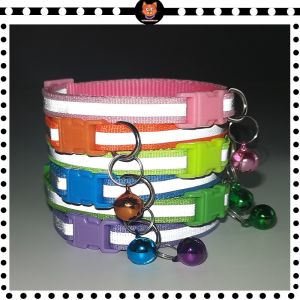
Top Picks: Reflective & Adjustable Pet Collars with Bells

2580g Can Dog Wet Food: A Comprehensive Guide
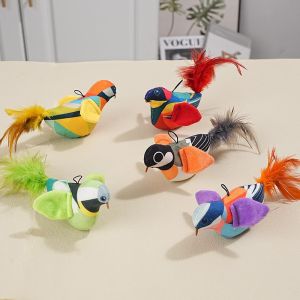
Cat Toy Self Entertaining Stress Relief Simulated Bird Swinging on Swing Hanging Door Elastic Feather Teaser Stick for Cats
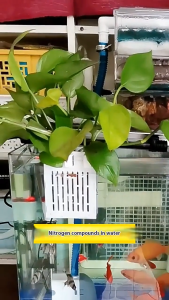
GUOUQNA Hanging Suction Cup Hook Aquarium Plant Holder Plastic Aquarium Planter Cups Planter Baskets Aquatic Pot Box Aquascape Decoration

Petlicious Dog Dry Food Beef Flavor 1kg / 10kg collection - PetMate dogs nutritious beefs healthiest foods kibble kibbles

HamshMoc No Pull Pet Harness Adjustable Dog Harness Reflective with Soft Handle Quick Release Buckle Lightweight for Dog

Cute Cat Clothes for Winter Warm Cotton Vest Pocket Design Dog Pulling Pet Clothes Two Feet Insert Winter Thermal Vest for Cats

Pet Cat Condo Scratch Post Board Toy Interactive Play LZ0221
Belamyl Vitamin B Complex Liver Extract 50ml: Natural Liver Support & Health Supplement

Aquarium Silicone Simulation Artificial Fish Tank Fake Coral Plant Sea Anemone Aquarium decoration sea urchin aquarium decoration colorful coral soft coral simulation sea urchin ball landscaping deco

Honey Pet Adjustable Dog Muzzle: A Comfortable & Effective Solution