


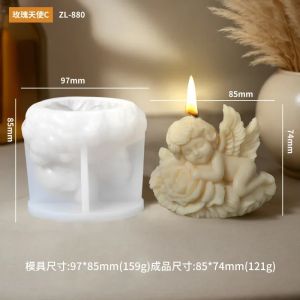
Rose Angel Candle Silicone Mold 3D Baby Angel Portrait Craft Sculpture Plaster Cement Clay Resin Mould DIY Handmade Soap Making
Rose Angel Candle Silicone Mold 3D Baby Angel Portrait Craft Sculpture Plaster Cement Clay Resin Mould DIY Handmade Soap Making
Introduction to Plaster, Cement, Clay, and Resin Moulds
Crafting with moulds allows you to create unique and beautiful items like Rose Angel Candles and 3D Baby Angel Portraits. This guide will walk you through the basics of working with plaster, cement, clay, and resin moulds, as well as provide step-by-step instructions for using them in your crafting projects.
What Are Plaster, Cement, Clay, and Resin Moulds?
Plaster, cement, clay, and resin moulds are materials used to cast objects in various shapes and sizes. Each material has unique properties that make it suitable for specific applications.
Key Features of Each Material
- Plaster: Lightweight, easy to work with, and inexpensive. Suitable for creating intricate designs and small sculptures.
- Cement: Durable, strong, and water-resistant. Ideal for outdoor projects and larger sculptures.
- Clay: Flexible, easy to shape, and suitable for beginners. Perfect for creating handmade pottery and ceramic items.
- Resin: Strong, lightweight, and resistant to moisture and chemicals. Ideal for creating durable and long-lasting crafts.
Applications in Crafting
These moulds are used to create various crafts, including Rose Angel Candles, 3D Baby Angel Portraits, and DIY Handmade Soaps. Each material has its own unique properties that make it suitable for specific applications.
How to Use Rose Angel Candle & 3D Baby Angel Portrait Moulds
Preparing Your Workspace
Before starting your project, ensure your workspace is clean, organized, and well-lit. Gather all necessary materials and tools, such as moulds, wax, resin, clay, or plaster, depending on your chosen material.
Step-by-Step Instructions for Using Rose Angel Candle Mould
- Prepare your workspace by laying down newspaper or a plastic sheet to protect the surface.
- Melt the wax according to the manufacturer's instructions.
- Pour the melted wax into the Rose Angel Candle Mould, filling it to the top.
- Allow the wax to cool and harden completely before removing it from the mould.
- Trim any excess wax around the edges and add finishing touches as desired.
Step-by-Step Instructions for Creating 3D Baby Angel Portrait
- Prepare your workspace by laying down newspaper or a plastic sheet to protect the surface.
- Mix the chosen material (clay, plaster, cement, or resin) according to the manufacturer's instructions.
- Pour the mixture into the 3D Baby Angel Portrait Mould, filling it to the top.
- Allow the material to cure or harden completely before removing it from the mould.
- Trim any excess material around the edges and add finishing touches as desired.
DIY Handmade Soap Making Using Silicone Mold for Crafts
Selecting the Right Materials
Choose a silicone mould specifically designed for soap making. Silicone moulds are heat-resistant, flexible, and easy to use. Additionally, select high-quality soap-making ingredients, such as oils, lye, and fragrances.
Soap Making Process
- Prepare your workspace by laying down newspaper or a plastic sheet to protect the surface.
- Measure and mix the soap-making ingredients according to the recipe.
- Pour the mixture into the silicone mould, filling it to the top.
- Allow the soap to cure for the recommended time before removing it from the mould.
- Trim any excess soap around the edges and add finishing touches as desired.
Customizing Your Soap Design
Add colorants, exfoliants, or other additives to customize your soap design. Experiment with different fragrances, colors, and textures to create unique and personalized soaps.
Tips & Tricks for Crafting Success
Choosing the Best Mould Material
Select the best mould material based on your project requirements. Consider factors such as durability, ease of use, and cost-effectiveness.
Troubleshooting Common Issues
Common issues include air bubbles, uneven surfaces, and difficulty removing the finished product from the mould. To avoid these issues, follow the manufacturer's instructions carefully and practice patience during the curing process.
Expanding Your Crafting Skills
Expand your crafting skills by experimenting with different materials, techniques, and designs. Join online forums, attend workshops, and read books to learn new ideas and improve your craft." }

GlobalLifestyle
Review

You May Also Like
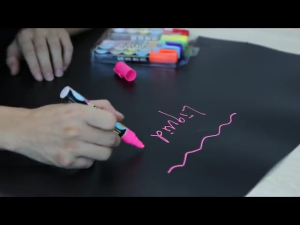
8/12PCS Liquid Chalk Markers Erasable Liquid Marker for Blackboard Chalkboard Signs Glass Window
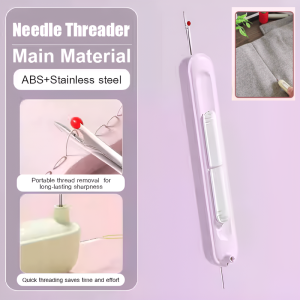
Threading Tools 2in1 Needle Thread Remover Sewing Machine Multifunctional 2in1 Sewing Tools
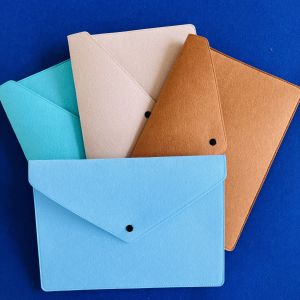
A4 Felt File Bag: Handheld Office Storage & Customizable Business Supplies
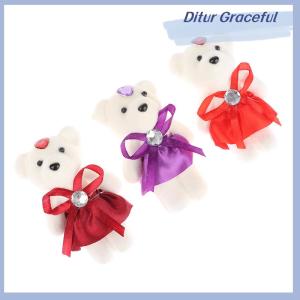
Ditur 10Pcs 12cm Bear Flower Bouquet Toy Cartoon Doll Teddy Bear Bouquet Graduation Birthday Wedding Gifts Party Decor

NOCASE Chinese Style Lucky Red Envelopes Year Blessing Embroidery Year Red Packets Good Lucky Plush CNY Red Envelopes Chinese Year
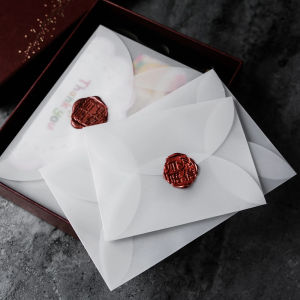
TSEVD Gift Packing Invitation White Vintage For Letter For Card Paper Envelopes For DIY Sulfuric Acid Paper Envelopes Semi-transparent
LILY Stick Sea Shell Wind Chime (Small) Philippine Souvenir
6Pcs/Set Cartoon Capybara Pencil Stationery Set Eraser Pencil Sharpener Children Student Stationery Supplies 2025 NEW
Art Student Professional Acrylic Texture Paint Material Quartz Sand Fine Sand Handmade Diy Painting White Color
1String Pomegranate Red Beads Loose Round Beads Glass Spacer Bead For Jewelry Making DIY Handmade DIY Bracelet Necklace Supplies
A4 size/land title holder/Heritage Holder(red)