


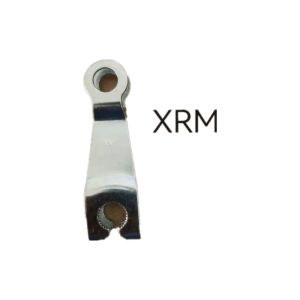
Motorcycle Brake Arm With Brake Cam Set FOR XRM/TMX/CT100
Motorcycle Brake Arm With Brake Cam Set FOR XRM/TMX/CT100
Introduction to Motorcycle Brake Parts
Motorcycle brake parts play a crucial role in ensuring safety and optimal performance while riding. Among these components, the motorcycle brake arm and brake cam set are essential elements that work together to provide effective braking power. This article will focus on the XRM/TMX/CT100 models, providing comprehensive guidance on installation, troubleshooting, and maintenance.
What is a Motorcycle Brake Arm?
The motorcycle brake arm, also known as the brake lever, is a critical component responsible for transmitting force from the rider's hand to the brake caliper. This force then engages the brake pads, causing friction against the brake rotor, which ultimately slows down or stops the motorcycle. A well-functioning brake arm is essential for maintaining control and safety during rides.
Understanding the Importance of Brake Cam Set
The brake cam set, consisting of the brake cam and brake spring, is another vital component in the braking system. The brake cam works by rotating and applying pressure to the brake pads, while the brake spring provides tension to return the brake pads to their original position after braking. A properly functioning brake cam set ensures consistent and reliable braking performance.
Installation Guide for XRM/TMX/CT100
Installing a new motorcycle brake arm and brake cam set on XRM/TMX/CT100 models requires attention to detail and precision. Follow these steps to ensure a successful installation process.
How to Install a Motorcycle Brake Arm
- Remove the old brake arm by loosening the bolts connecting it to the handlebar and brake caliper.
- Install the new brake arm, aligning it with the mounting holes on the handlebar and brake caliper.
- Tighten the bolts securely, ensuring proper alignment and fit.
- Test the brake arm's functionality by squeezing the lever and observing the brake pads' engagement with the rotor.
Tips for Installing Brake Cam Set
- Begin by removing the brake caliper and brake pads from the motorcycle.
- Inspect the brake cam and spring for any signs of wear or damage.
- Install the new brake cam set, making sure the cam is properly aligned with the brake pads and spring.
- Reinstall the brake caliper and brake pads, tightening all bolts securely.
- Test the brake cam set's performance by squeezing the brake lever and observing the brake pads' engagement with the rotor.
Troubleshooting Common Issues
Despite proper installation, motorcycle brake parts may experience malfunctions or issues over time. Identifying and addressing these problems promptly can help maintain optimal performance and safety.
Identifying Problems with Motorcycle Brake Parts
Some common signs of brake arm and brake cam set malfunctions include:
- Spongy or unresponsive brake lever
- Reduced braking power
- Excessive brake pad wear
- Unusual noises while braking
Addressing Brake Arm & Brake Cam Set Malfunctions
If you encounter any of these issues, it's essential to address them promptly. Here are some troubleshooting steps:
- Inspect the brake arm and brake cam set for signs of wear or damage.
- Check the brake fluid level and top off if necessary.
- Replace worn-out brake pads and inspect the brake rotor for any signs of damage.
- Adjust the brake lever and brake cam set alignment if needed.
Maintaining Optimal Performance
Regular maintenance and care are crucial for ensuring the longevity and performance of motorcycle brake parts.
Regular Maintenance for Motorcycle Brake Arm
To maintain optimal performance of the motorcycle brake arm:
- Inspect the brake lever and handlebar mounting bolts regularly.
- Check for any signs of wear or damage on the brake arm.
- Lubricate the brake lever pivot points as needed.
Long-Term Care for Brake Cam Set
For long-term care of the brake cam set:
- Inspect the brake cam and spring for signs of wear or damage.
- Replace worn-out brake pads and inspect the brake rotor for any signs of damage.
- Adjust the brake cam set alignment if needed.
- Keep the brake fluid level at the recommended level.

Yxone
You May Also Like
![[Jocestyle Mall]Auto Remote Central Kit 12V Car Central Locking 433.92MHz Keyless Lock System DIY Universal Car Security System Car Alarm System](https://img.lazcdn.com/g/ff/kf/S58f79fce2b3c4119b8a16d6564669a425.jpg_300x300q80.jpg)
[Jocestyle Mall]Auto Remote Central Kit 12V Car Central Locking 433.92MHz Keyless Lock System DIY Universal Car Security System Car Alarm System
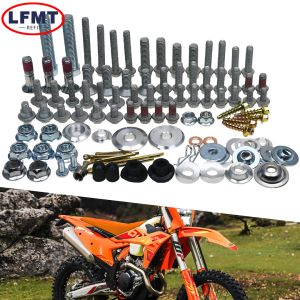
Motorcycles Fairing Fender Screw Bolt Kit Set For KTM EXC EXC-F SX SX-F XC XC-F XC-W TPI Six Days 125 150 250 300 350 450 500
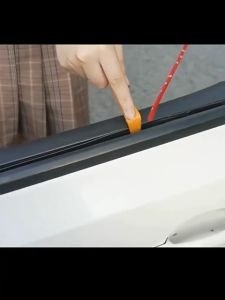
Car Wiper Front Windshield Panel Moulding Seal Strip for Honda Audi Benz Buick VW Skoda Mazda Ford Toyota BMW E46 E39 M5 X6
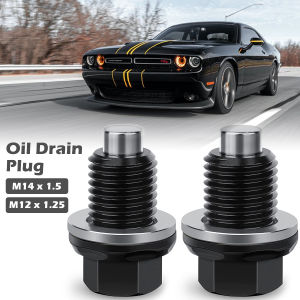
Magnetic Oil Drain Plugs M12 x 1.25/ M14 x 1.5 Aviation Aluminum Magnetic Oil Drain Bolt Plugs Engine Drain Nut Bolt Screw

Steering Column Joint Assembly for Hyundai Reina & Kia Soluto

Yamaha Aerox Version 1/2/3(standard) water resistant Airscoop pulley cover rotatable and detacheable cover/design
HYUNDAI STARIA 9 SEATER MATTING

IDMU94789 Flowers Baotou Hat Embroidery Lace Muslim Cap Fashion Summer Turban Women
2Pcs LED Motorcycle Mini Driving Light White Yellow of Universal High quality 20W spotlight Water Proof driving light
Motorcycle mobile phone stand electric bike and bicycle stand outdoor cycling sports navigation
ZOOM HB100 DB875 DISC BRAKE PADS FOR DEORE A01S XT M775 M765 M665 DEORE M545