


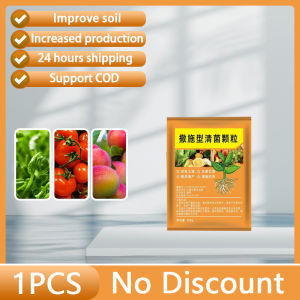
✨Increase production✨fungicide for vegetables 100g fungicide
✨Increase production✨fungicide for vegetables 100g fungicide
Understanding Vegetable Fungicides
What Are Vegetable Fungicides?
Vegetable fungicides are chemical or biological substances used to control fungal diseases that affect vegetable crops. They play a crucial role in increasing vegetable production by protecting plants from harmful pathogens. Fungicides are available in various forms, such as powders, liquids, and granules, and can be applied through different methods, including spraying, dusting, and drenching.
Types of Vegetable Fungicides
There are two primary types of vegetable fungicides: contact fungicides and systemic fungicides. Contact fungicides work by forming a protective barrier on the plant surface, preventing fungi from infecting the crop. Systemic fungicides, on the other hand, are absorbed by the plant and move through its tissues, providing protection against fungal infections from within.
How Do Vegetable Fungicides Work?
Vegetable fungicides work by disrupting the life cycle of fungi, either by inhibiting their growth or killing them outright. They can target various stages of fungal development, such as spore germination, mycelial growth, and sporulation. By controlling these processes, fungicides help protect vegetable crops from fungal diseases, ultimately increasing production.
Maximizing Vegetable Production with Fungicide Application
When to Apply Fungicide for Vegetables
To maximize vegetable production, it's essential to apply fungicides at the right time. This typically involves applying fungicides preventatively before fungal diseases become established, or curatively once symptoms are visible. Factors such as environmental conditions, crop stage, and disease pressure should be considered when determining the optimal timing for fungicide application.
How to Apply Fungicide for Vegetables
Proper fungicide application techniques are critical for achieving maximum efficacy. This includes selecting the appropriate equipment, ensuring proper calibration, and following label instructions. It's also important to rotate fungicides to minimize the risk of resistance development and maintain long-term control over fungal diseases.
100g Fungicide Dosage for Vegetable Crops
The recommended dosage for vegetable crops may vary depending on the specific fungicide product being used. However, a common recommendation is to use 100g of fungicide per hectare, mixed with the appropriate amount of water for effective coverage. Always consult the product label for precise dosage instructions tailored to your specific crop and growing conditions.
Common Mistakes in Fungicide Application
Overuse of Fungicide
Overusing fungicides can lead to resistance development in fungal populations, rendering them ineffective in controlling future outbreaks. To avoid this, it's essential to follow recommended dosage guidelines and only apply fungicides when necessary.
Improper Timing of Fungicide Application
Applying fungicides at the wrong time can result in reduced efficacy and increased risk of fungal disease development. Always consult local extension services or crop advisors for guidance on the best timing for fungicide applications in your specific region.
Neglecting Environmental Factors
Ignoring environmental factors such as temperature, humidity, and rainfall can significantly impact the effectiveness of fungicide applications. To ensure optimal results, always consider these factors when planning fungicide applications and adjust your strategy accordingly.
Conclusion
Recap of Key Points
In summary, vegetable fungicides play a vital role in increasing production by protecting crops from fungal diseases. By understanding the different types of fungicides, their modes of action, and proper application techniques, growers can maximize the benefits of using fungicides while minimizing potential risks.
Final Thoughts on Increasing Vegetable Production with Fungicide
By adopting a proactive approach to fungicide management, growers can effectively protect their vegetable crops from fungal diseases, ultimately increasing production and profitability. Remember to always follow label instructions and consult with local experts for tailored advice on fungicide use in your specific growing environment.

EiZy Mall
Review
You May Also Like
Fast Delivery: Gas Flame Gun & Auto Ignition Jet Burner Welding Torch
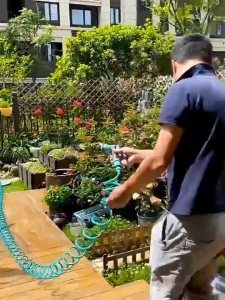
Expandable Magic Car Watering Washing Retractable Coil Hose Garden Supplies Irrigation Water Hose
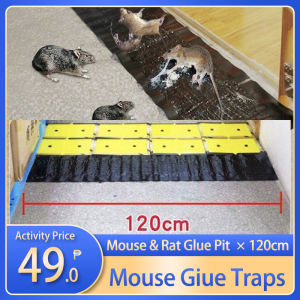
1.2M High Effective Big Sticky Mice Glue Trap Mouse Catcher Pest Board Rat Glue Non-toxic Pest Trap
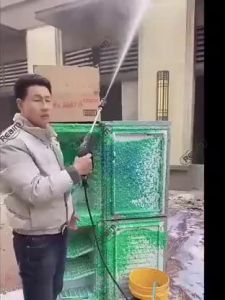
Portable High Pressure Washer: A Compact Car Washer Solution
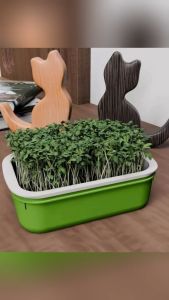
N.K. Seed Germination Tray Double Layer Plant Peanut Bean Sprout Soilless Hydroponic Seedling Tray 1Set
![[COD] CHYIN 1Pc Simulation Parrot Parakeet Miniature Landscape Ornament Animal Model Lawn Figurine Artificial Bird Photography Props](https://img.lazcdn.com/g/p/d50a4edcbdfb2a720c9c1ca74b1dddad.jpg_300x300q80.jpg)
[COD] CHYIN 1Pc Simulation Parrot Parakeet Miniature Landscape Ornament Animal Model Lawn Figurine Artificial Bird Photography Props
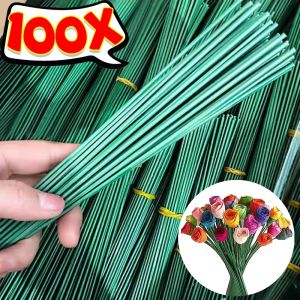
100/50Pcs Artificial Flower Stem Wire Flower Pole Rod for Diy Chenille Stems Stick Flower Arrangement Simulation Decor Supplies
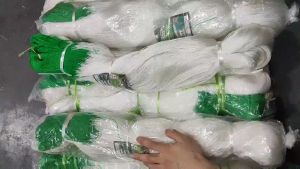
Garden Plant Climbing Net Cucumber Vegetables Trellis Net Plant Support Netting White Nylon Support Mesh 2Mx100M 3.5Mx100M
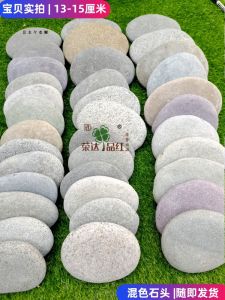
Hand-Painted Creative Stone Art Materials: Flat Pebbles for DIY Color Painting & Garden Decor
![PVC Garden Hose 1/2\" & 3/4\" Inch & 1 Inch 10M 20M 30M 50M 100M [SOLD PER ROLL] PVC Hose Gardening Hose For Gardening Garden Tools Lawn & Garden | 100% ORIGINAL / AUTHENTIC](https://img.lazcdn.com/g/ff/kf/S1ff0493ca383472c9546c02717c810d7I.jpg_300x300q80.jpg)
PVC Garden Hose 1/2\" & 3/4\" Inch & 1 Inch 10M 20M 30M 50M 100M [SOLD PER ROLL] PVC Hose Gardening Hose For Gardening Garden Tools Lawn & Garden | 100% ORIGINAL / AUTHENTIC
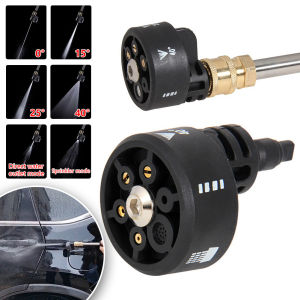
BC 6 In 1 Adjustable Nozzle 1/4 Inch High Pressure Cordless Washer Cleaner Water Tool Parts Hose Nozzle 0°15°40°25°Direct Sprinkler