


Multi-size Seedling Tray: A Comprehensive Guide
Multi-size Seedling Tray: A Comprehensive Guide
Introduction to Multi-size Seedling Trays
Multi-size seedling trays, also known as garden starter trays, are essential tools for gardeners who wish to cultivate healthy plants from seeds. These trays come in various sizes, typically ranging from 32 to 200 holes, and are designed to accommodate different types of seeds and plants. By using multi-size seedling trays, gardeners can maximize their growing space and improve seed germination rates.
What are Multi-size Seedling Trays?
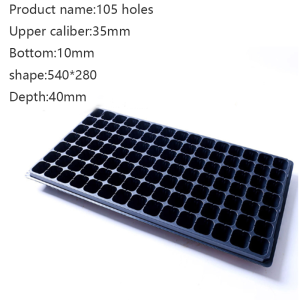
Multi-size seedling trays are containers designed specifically for starting seeds indoors or outdoors. They consist of multiple cells or compartments, each holding a small amount of soil and a single seed. These trays come in various sizes, with common hole counts being 32, 50, 105, 128, and 200. The size of the tray depends on the gardener's needs and the types of plants they wish to grow.
Benefits of Using Multi-size Seedling Trays
Using multi-size seedling trays offers several advantages for gardeners:
- Improved seed germination rates
- Increased plant growth and development
- Better control over watering and fertilization
- Efficient use of growing space
- Easy transplantation of seedlings
Types of Multi-size Seedling Trays
There are two main types of multi-size seedling trays: plastic and biodegradable. Plastic trays are reusable and can be washed and sanitized after each growing season. Biodegradable trays, made from materials such as peat or coconut coir, can be planted directly into the ground, reducing transplant shock for seedlings.
Choosing the Right Multi-size Seedling Tray
Selecting the appropriate multi-size seedling tray depends on several factors, including the type of plants being grown, the available space, and personal preferences.
Considerations for Selecting Multi-size Seedling Trays
When choosing a multi-size seedling tray, consider the following factors:
- Hole count: Ensure the tray has enough holes to accommodate all the seeds you plan to grow.
- Material: Choose between plastic or biodegradable trays based on your preference and environmental concerns.
- Size: Select a tray that fits comfortably within your growing space and allows for easy handling.
Key Features to Look For
When selecting a multi-size seedling tray, look for the following features:
- Durable construction
- Easy-to-clean design
- Proper drainage holes
- Compatibility with grow lights and heating mats
Popular Sizes: 32/50/105/128/200 Holes
The most common multi-size seedling tray hole counts are 32, 50, 105, 128, and 200. Each size caters to different plant types and growing needs.
How to Use Multi-size Seedling Trays
Using multi-size seedling trays is a straightforward process that involves preparing the trays, planting seeds, and caring for the developing seedlings.
Preparing Your Garden Starter Tray
Before planting seeds, prepare your multi-size seedling tray by:
- Cleaning and sanitizing the tray
- Filling each cell with a suitable potting mix
- Watering the soil to ensure it's moist before planting seeds
Planting Seeds in Multi-size Seedling Trays
Follow these steps to plant seeds in your multi-size seedling tray:
- Place 1-2 seeds in each cell, depending on the plant type
- Cover the seeds with a thin layer of potting mix
- Label each tray with the plant name and date of planting
Caring for Seedlings in Multi-size Seedling Trays
To ensure healthy seedling growth, provide the following care:
- Water the trays regularly, keeping the soil moist but not overly wet
- Provide adequate light using grow lights or natural sunlight
- Monitor for pests and diseases, and take appropriate action if necessary
Maximizing Seed Germination with Multi-size Seedling Trays
Several factors influence seed germination rates, and understanding these factors can help gardeners optimize their results.
Factors Affecting Seed Germination
Key factors affecting seed germination include:
- Temperature: Most seeds require a specific temperature range for optimal germination
- Moisture: Seeds need adequate moisture to absorb water and initiate the germination process
- Light: Some seeds require light for germination, while others need darkness
Techniques for Enhancing Seed Germination
To improve seed germination rates, try these techniques:
- Pre-soaking seeds before planting
- Providing bottom heat using heating mats
- Using grow lights to ensure adequate light exposure
Common Mistakes to Avoid
Avoid these common mistakes to ensure successful seed germination:
- Overwatering or underwatering the trays
- Planting seeds too deep or too shallow
- Using poor quality potting mix or contaminated trays
Conclusion
Multi-size seedling trays are invaluable tools for gardeners looking to cultivate healthy plants from seeds. By selecting the appropriate tray size, preparing the trays properly, and providing optimal care, gardeners can maximize seed germination rates and enjoy a bountiful harvest.

SOMURA Household Supplies
Review
You May Also Like
Assorted Herbs and Fruits Seeds Set 1-4 ( 10-40packs )

Fly Trap Ball Fruit Fly Catcher: An Effective Solution for Kitchen & Garden Pests
10pcs Plastic Extendable Plant Pole Cover for Plant DIY Moss Pole Sphagnum Pole Holder Coco Pole
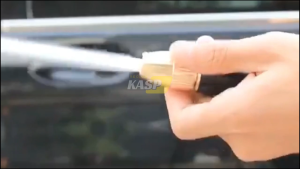
4PCS Pressure Nozzle Garden Hose Water Jet Car Wash Nozzle High Pressure Washer Nozzle Set Adjustable Hose Nozzle With Connector

CARDINAL PLANTS b1t1 RED GRAPES WITH FREEBIES MAY DAHON AT UGAT NA KAYA SIGURADO BUHAY ORDER NOW PLANT

18" Curved Pool Brush Swimming Pool Cleaning Brush Nylon Brush with Aluminum Handle
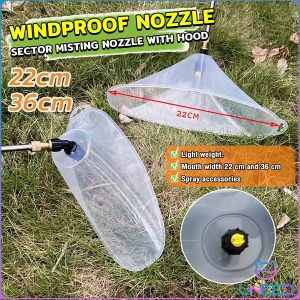
Misting Spray Nozzles: Windproof Plastic High Pressure Misting Nozzle with Hood Sector
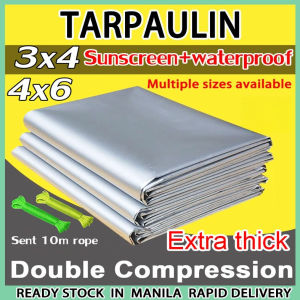
【Handa sa Stock】maraming sukat Panakip sa araw na hindi tinatagusan ng tubig para sa labas Lona ng lilim Hardin na panakip para sa patio Hardin Kotse Swimming pool na panakip
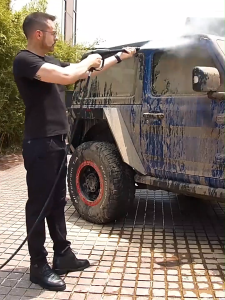
DEG Portable High Pressure Car Washing Machine Heavy Duty Power Sprayer Machine Car Wash
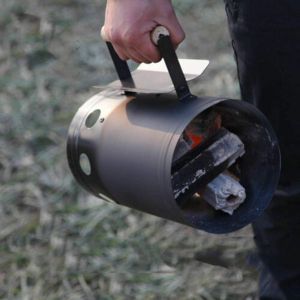
Bamboo Chimney Starter & Carbon Stove Ignition: Essential BBQ Tools
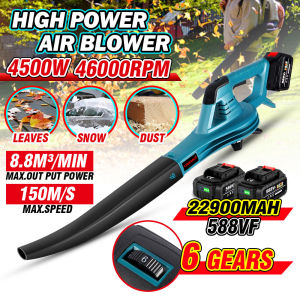
ONEVAN 588VF 6-Gears Cordless Leaf Blower 46000RPM Electric Air Blower Outdoor Power Tool For Makita 18V Battery