


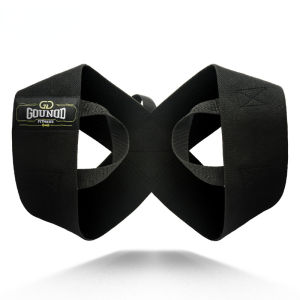
1PC Adjustable Posture Back Posture Corrector Anti-camel Correction Belt Sitting Posture Correction Belt Orthopedic Back Support
1PC Adjustable Posture Back Posture Corrector Anti-camel Correction Belt Sitting Posture Correction Belt Orthopedic Back Support
What is an Adjustable Posture Corrector?
An adjustable posture corrector is a device designed to help individuals maintain proper posture while sitting, standing, or engaging in physical activities. These devices are often made from lightweight, breathable materials and feature adjustable straps or bands to accommodate various body types and sizes.
Key Features of Posture Correctors
- Adjustability: Most posture correctors come with adjustable straps or bands, allowing users to customize the fit according to their body type and comfort level.
- Comfort: Many posture correctors are made from soft, breathable materials, reducing the risk of skin irritation and discomfort during prolonged use.
- Durability: High-quality posture correctors are built to withstand regular wear and tear, ensuring long-lasting performance and value.
Benefits of Using a Posture Corrector
Using a posture corrector can offer numerous benefits, including:
- Improved Posture: By promoting proper alignment of the spine, posture correctors can help users maintain a healthy, upright posture throughout the day.
- Reduced Pain: Posture correctors can alleviate pain caused by poor posture, such as back, neck, and shoulder discomfort.
- Enhanced Performance: Improved posture can lead to better overall physical performance, whether in the gym, at work, or during daily activities.
Common Misconceptions about Posture Correctors
Despite their numerous benefits, there are several misconceptions surrounding posture correctors:
- They're Only for People with Bad Posture: While posture correctors can be particularly beneficial for individuals with poor posture, they can also help those looking to maintain or improve their current posture.
- They're Uncomfortable: With advancements in materials and design, many modern posture correctors are designed to be comfortable and non-intrusive.
- They're Only for Adults: Posture correctors can be used by individuals of all ages, including children and teenagers, who may benefit from improved posture during growth and development.
How to Choose the Right Posture Corrector
Selecting the right posture corrector requires careful consideration of several factors:
Factors to Consider When Selecting a Posture Corrector
- Material: Look for posture correctors made from high-quality, breathable materials that won't cause skin irritation or discomfort.
- Adjustability: Ensure the posture corrector offers adjustable straps or bands to accommodate various body types and sizes.
- Comfort: Opt for a posture corrector that feels comfortable and non-intrusive during prolonged wear.
Comparing Different Types of Posture Correctors
There are several types of posture correctors available on the market, including:
- Back Support Belts: These belts wrap around the back and waist, providing support and promoting proper alignment of the spine.
- Posture Bracelets: These bracelets are worn on the wrist and use gentle pressure to remind users to maintain proper posture.
- Posture Correcting Shirts: These shirts feature built-in support panels and adjustable straps to promote proper posture throughout the day.
Reviews and Recommendations for Top Posture Correctors
When selecting a posture corrector, consider reading reviews and recommendations from other users to help make an informed decision. Some popular options include:
- 1PC Adjustable Posture Back Posture Corrector Anti-camel Correction Belt Sitting Posture Correction Belt Orthopedic Back Support
- Spinaliase Posture Corrector Bracelet
- PostureNow Posture Correcting Shirt
How to Use Your Posture Corrector Effectively
To maximize the benefits of your posture corrector, follow these tips:
Proper Fitting Techniques
- Adjust Straps: Ensure the straps or bands are adjusted to fit comfortably and snugly around your body.
- Check Alignment: Verify that the posture corrector is positioned correctly, with the support panels aligned with your spine.
Tips for Maintaining Good Posture While Wearing a Posture Corrector
- Practice Proper Alignment: Use the posture corrector as a reminder to maintain proper alignment of your spine and shoulders.
- Engage in Physical Activity: Incorporate regular exercise and stretching into your routine to strengthen your core muscles and improve overall posture.
Addressing Common Issues and Concerns
If you experience discomfort or pain while using a posture corrector, consider:
- Adjusting the Fit: Ensure the posture corrector is adjusted to fit comfortably and snugly around your body.
- Consulting a Professional: If discomfort persists, consult with a healthcare professional or physical therapist for guidance.
Understanding the Benefits of a Sitting Posture Correction Belt
Sitting posture correction belts offer several benefits, including:
Reducing Back Pain and Improving Posture
By promoting proper alignment of the spine, sitting posture correction belts can help alleviate back pain and improve overall posture.
Enhancing Overall Well-being and Productivity
Improved posture can lead to better overall well-being and productivity, whether at work, school, or during daily activities.
Long-term Benefits of Consistent Use
Regular use of a sitting posture correction belt can lead to long-term improvements in posture and overall health.
Conclusion & Final Thoughts
In conclusion, a posture corrector can be a valuable tool for improving posture and reducing pain caused by poor alignment. By selecting the right posture corrector and using it effectively, individuals can experience improved posture, reduced pain, and enhanced overall well-being. Consider consulting with a healthcare professional or physical therapist for personalized guidance and recommendations.

GlobalLifestyle
You May Also Like
Airtight Waterproof 7 Days Split Aluminum Alloy Metal Pill Box Weekly Medicine Case Splitter Tablet Storage Organizer Container
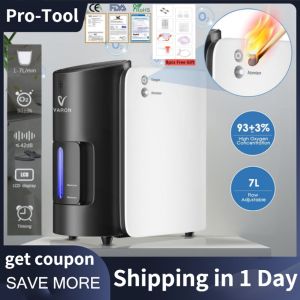
Household Oxygen Concentrator For Elderly And Pregnant Women Small Oxygen Inhaler 1-7L/Min Adjustable Portable Home Grade Medical Oxygen Machine With Atomization
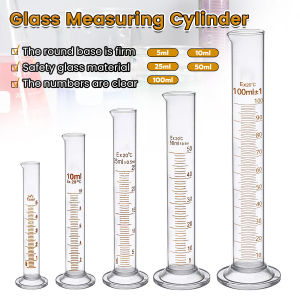
E.B. Glass Measuring Cylinder 5ml/10ml/25ml/50ml/100ml Laboratory Measure Tube
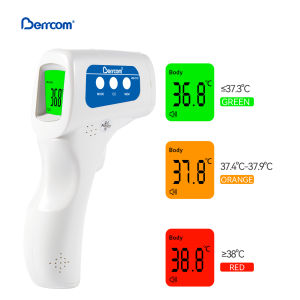
Berrcom Non Contact Infrared Forehead Thermometer JXB-178 Baby Fever Check Thermometer 3 in 1 Contactless for Kids Infant Adult
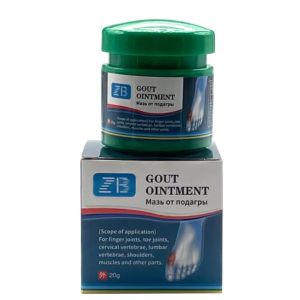
Gout Ointment Pain Relief Cream for Arthritis Knee Pain, Back, Fingers, Toes, and Joint Pain
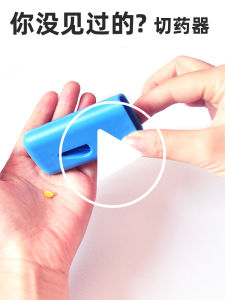
High-Efficiency Medicine Cutter Tablet Splitter Mini Portable Infant Safe Drug Storage Box Opening Design Home Health Care
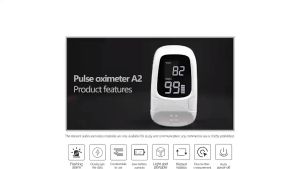
Understanding the Finger Pulse Oximeter: A Comprehensive Guide

Calpol Plus for Kids 6 - 12 years Old Orange Flavor 250 Mg/5 ml 60 ml Oral Suspension
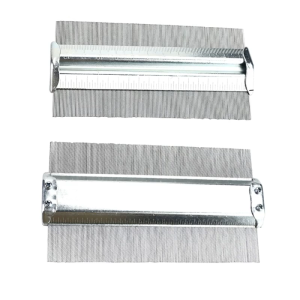
Professional Metal Contour- Duplicator Gauge 5/6 inch Precise Contour- Duplicator Measuring Tool Gift for Father Men

ASEA Redox Water Dietary Supplement 100% Authentic
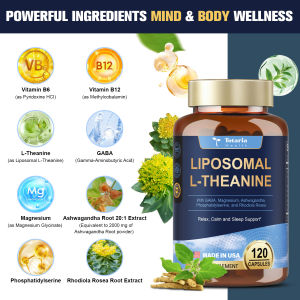
Totaria Liposomal L-Theanine Supplement 750mg with GABA Ashwagandha Magnesium GlycinateRhodiola Rosea Phosphatidylserine Complex Supplements for Mood Focus Sleep Support