


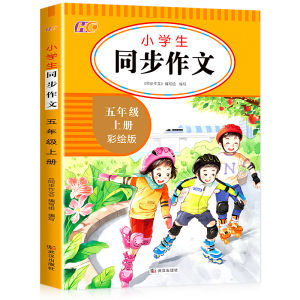
Synchronized Composition Writing Skills for Primary School Students Grades 2 to 6 Lower And Upper Semesters Peoples Education Edition
Synchronized Composition Writing Skills for Primary School Students Grades 2 to 6 Lower And Upper Semesters Peoples Education Edition
Synchronized writing curriculum is designed to provide a comprehensive guide for primary school students, grades 2 to 6, to develop their composition writing skills systematically and effectively. This curriculum emphasizes semester-wise composition exercises, graded writing skills development, and PEP edition writing practice, which ultimately leads to better preparation for future academic success. In this article, we will explore the benefits of the synchronized writing curriculum, how to implement it, and align it with state standards.
Understanding the Synchronized Writing Curriculum
Graded Writing Skills Development
Graded writing skills development is a crucial aspect of the synchronized writing curriculum. This curriculum provides a structured approach to help students develop their writing skills gradually. Each grade level focuses on specific writing skills, such as sentence structure, paragraph organization, and essay writing. By the end of grade 6, students will have developed a strong foundation in composition writing skills.
Semester-wise Composition Exercises
Another essential feature of the synchronized writing curriculum is semester-wise composition exercises. These exercises are designed to help students practice their writing skills throughout the school year. Each semester focuses on specific writing topics, allowing students to explore different genres and styles of writing. This approach ensures that students have ample opportunities to practice and refine their writing skills.
PEP Edition Writing Practice
The synchronized writing curriculum also includes PEP edition writing practice. This component provides students with additional writing exercises and resources to further develop their composition writing skills. PEP edition writing practice offers a wide range of writing prompts, including narrative, expository, persuasive, and descriptive writing. These prompts help students develop their creativity and critical thinking skills, which are essential for effective composition writing.
Key Benefits of Synchronized Writing Curriculum
Improved Composition Writing Skills for Primary School Students
One of the primary benefits of the synchronized writing curriculum is improved composition writing skills for primary school students. By providing a structured approach to writing instruction, students can develop their writing skills systematically and effectively. This curriculum helps students build a strong foundation in composition writing, which will benefit them throughout their academic careers.
Enhanced Learning Experience through Structured Curriculum
Another benefit of the synchronized writing curriculum is enhanced learning experience through a structured curriculum. This curriculum provides a clear and organized approach to writing instruction, which helps students stay focused and engaged in their learning. By providing a clear roadmap for writing instruction, students can better understand what is expected of them and how they can improve their writing skills.
Better Preparation for Future Academic Success
Finally, the synchronized writing curriculum helps prepare students for future academic success. By developing strong composition writing skills, students will be better equipped to handle the demands of higher education and beyond. This curriculum provides a solid foundation in writing skills, which will benefit students in all areas of their academic and personal lives.
How to Implement the Synchronized Writing Curriculum
Aligning Curriculum with State Standards
To implement the synchronized writing curriculum effectively, it is essential to align it with state standards. This alignment ensures that students are meeting the required standards for writing instruction. Teachers can use the curriculum as a guide to ensure that they are covering all the necessary writing skills and topics.
Incorporating Composition Writing Exercises into Daily Lessons
Another way to implement the synchronized writing curriculum is by incorporating composition writing exercises into daily lessons. By integrating writing instruction into regular class activities, students can practice their writing skills consistently. This approach helps students develop their writing skills naturally and seamlessly.
Monitoring Student Progress and Adjusting Instruction as Needed
Finally, it is crucial to monitor student progress and adjust instruction as needed. Teachers can use the curriculum as a guide to assess student progress and identify areas where additional support may be needed. By monitoring student progress regularly, teachers can provide timely feedback and adjust instruction to meet the needs of individual students.

TAO Toys & Joy
You May Also Like
The Power of C++ (Power of Coding)

Acoustic Guitar Pick Guard Sticker Guitar Pickguard Anti-scratch Blank Sheet Self-adhesive Back Plate for Most Guitars
Irodori: Japanese for Life in Japan Elementary 1 (A2) Textbook
Spiritual Warfare Prayers Prayer Book Prohibition of Food Compassion Book Belief in Buddhism Year-round Spirit Cultivation Helps You Pray With Purpose Even on Your Worst Days

Musiclily Ultra 41mm Solid Brass Tremolo Block 54mm String Spacing for Wilkinson By GOTOH VG300/VS100N Tremolo Bridge

Guitar Locking Nut Accessory Kits 6 Strings Electric Guitar String Locking Nut 43mm with Mounting Screws and Wrench Set

Guitar Bass Fret Wire Nipper Puller Plier Luthier Tool Scissors Guitar Fret Wire Stainless Steel Pliers Enduring
The First Journey Paperback - Illustration By Scholastic Original English Books

RIXTON 39 inch Electric Guitar Beginner Electric Guitar Solid Body HSS Pick Up Electric Guitar Guitar
Seventeen 7th Mini Album Unsealed: No Photocards

Aluminum 10w led flat parRGBW led 4in1 led par light for decoration