



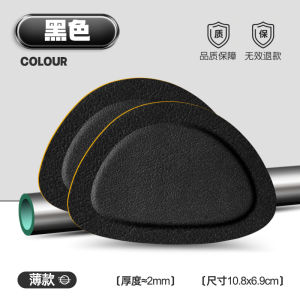
Shoe Heel Wear Repairing Atch Upgrade Sandwich Foot Back Pad Hole Repair Seamless Self-Adhesive Patch Heel Repair Patch for Shoes
Shoe Heel Wear Repairing Atch Upgrade Sandwich Foot Back Pad Hole Repair Seamless Self-Adhesive Patch Heel Repair Patch for Shoes
Introduction to Shoe Heel Repair Patches
When it comes to shoe maintenance, one of the most common issues faced by wearers is the wear and tear of the heel. Shoe heel repair patches provide a quick and effective solution to fix holes and maintain the overall appearance of your footwear. In this comprehensive guide, we will explore various types of heel repair patches, factors to consider when selecting a patch, and step-by-step instructions on how to use them.
What Are Shoe Heel Repair Patches?
Shoe heel repair patches, also known as heel repair patches, are adhesive-backed patches designed to cover and reinforce worn-out areas of shoe heels. These patches come in different materials, shapes, and sizes, catering to various shoe types and styles. They are particularly useful for fixing holes in the heel area, enhancing the durability and longevity of your shoes.
Types of Shoe Heel Repair Patches
There are several types of shoe heel repair patches available in the market. Some popular options include:
- Sandwich heel repair: A multi-layered patch that provides excellent reinforcement and support for damaged heels.
- Seamless heel patch: A seamless design that offers a smooth and natural look, blending seamlessly with the shoe's material.
- Self-adhesive foot back pad: A self-adhesive patch that sticks easily to the heel area, making it convenient for users to apply without the need for additional adhesives.
How to Choose the Right Heel Repair Patch
Selecting the right heel repair patch depends on various factors, including the type of shoe, the extent of damage, and personal preferences. Here are some essential considerations to keep in mind:
Factors to Consider When Selecting a Heel Repair Patch
- Shoe type: Choose a patch that suits the material and style of your shoes.
- Extent of damage: Assess the level of wear and tear to determine the appropriate patch size and strength.
- Personal preferences: Opt for a patch that meets your aesthetic requirements, such as seamless designs or specific colors.
Comparison of Different Heel Repair Patches
To help you make an informed decision, here's a comparison of popular heel repair patches:
| Type of Patch | Pros | Cons | | --- | --- | --- | | Sandwich heel repair | Excellent reinforcement, multi-layered design | May require additional adhesives | | Seamless heel patch | Smooth and natural look, blends well with shoe material | Limited color options | | Self-adhesive foot back pad | Easy to apply, no additional adhesives needed | May not provide strong reinforcement |
Step-by-Step Guide to Using Heel Repair Patches
Now that you've chosen the right heel repair patch, let's dive into the step-by-step process of applying it to your shoes.
Preparing Your Shoes for Repair
Before applying the heel repair patch, ensure your shoes are clean and dry. Remove any dirt, dust, or debris from the heel area using a soft cloth or brush.
Applying the Heel Repair Patch
- Peel off the adhesive backing from the heel repair patch.
- Align the patch with the damaged area of the shoe heel.
- Press the patch firmly onto the heel, ensuring it adheres well to the surface.
- Smooth out any air bubbles or wrinkles using your fingers or a flat tool.
Finishing Touches and Maintenance Tips
After applying the heel repair patch, allow it to cure for at least 24 hours before wearing the shoes. To maintain the patch's effectiveness, avoid exposing it to extreme temperatures or harsh chemicals. Regularly inspect the patch for signs of wear and tear, and replace it if necessary.
Troubleshooting Common Issues with Heel Repair Patches
Despite proper application, some issues may arise with heel repair patches. Here are some tips for identifying and addressing common problems:
Identifying and Addressing Problems
- Peeling or lifting: Check if the patch has been applied correctly and ensure the surface is clean and dry.
- Air bubbles or wrinkles: Smooth out any air bubbles or wrinkles using your fingers or a flat tool.
- Weak adhesion: Apply additional adhesive or consider using a stronger patch.
Tips for Maximizing Patch Performance
- Choose the right patch: Select a patch that matches your shoe type and damage extent.
- Follow instructions carefully: Adhere to the manufacturer's guidelines for optimal results.
- Maintain regular inspections: Periodically check the patch for wear and tear, and replace it if necessary.
Conclusion: Making the Most of Your Heel Repair Patches
Shoe heel repair patches offer a convenient and effective solution for fixing holes and maintaining the appearance of your footwear. By selecting the right patch, following the application process, and addressing any issues that may arise, you can extend the life of your shoes and enjoy their use for years to come.

TB supermarket store
You May Also Like
SRIEI 1Pair Insole Orthotic Professional Arch Support Insole Flat Foot Flatfoot Corrector Shoe Cushion Insert Silicone Gel Orthopedic Pad
WEIYI-XXT Creative Personality Soft Flat Bottom Square Toe Beach Slippers
SHIPAILUO | Lightweight Breathable Womens Slip-On Casual Shoes Hollow Out Design Low Cut Comfortable Soft Bottom For Middle-Aged And Elderly

Lightweight Sneakers for Women: A Guide to Breathable Fly-Knit Mesh Shoes
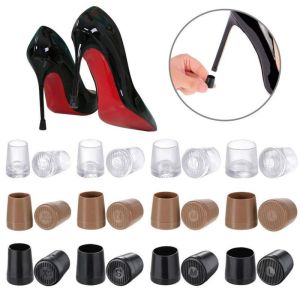
Silencer Heel Protector Round Shape Woman High Heels Protective Cover Non-slip Wearable Heel Cover Shockproof Accessories

Fashion Half Shoes For Women Slip On Casual Rubber Shoes For Lady Fly Woven Comfortable Mesh Shoes
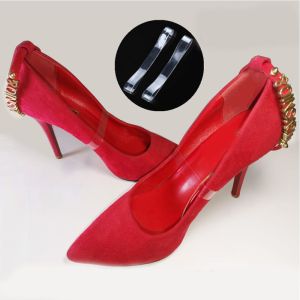
🔥🔥【COD+IN STOCK】Help Straps Slipping Off High Heels Non-Dropping Silicone Shoelaces Transparent Shoe Fixation
LJWomens Shoes 2023 Fashion New Sports Shoes Pink Girls Thick Sole High Heel Lightweight Shoes Girls Mesh Shoes Four Seasons Shoes
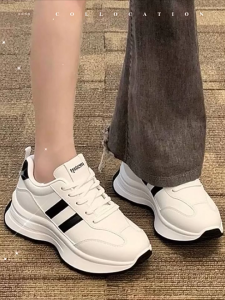
korean chunky rubber low cut shoes for womens sneaker white rubber shoes for woman original 2025

Mary Jane Shoes: Versatile & Stylish Options for Women

2023 NEW Korean Casual Rubber Shoes: A Comprehensive Guide