


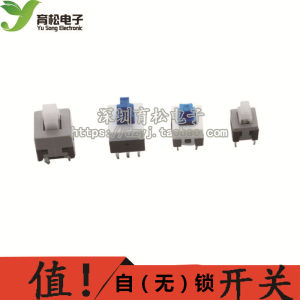
Understanding Self-Locking & Non-Locking Switches: 5.8*5.8, 7*7, 8*8, 8.5*8.5 & 10 Switches
Understanding Self-Locking & Non-Locking Switches: 5.85.8, 77, 88, 8.58.5 & 10 Switches
Background on Self-Locking & Non-Locking Switches
Switches are essential components in various electronic devices and systems, allowing users to control and manage electrical circuits. Two primary types of switches are self-locking and non-locking switches. These switches differ in their functionality and applications.
What Are Self-Locking Switches?
Self-locking switches, also known as latching switches, maintain their position after being activated by a user. They require a deliberate action to change their state, making them ideal for applications where a constant electrical connection is necessary. Common examples include light switches, power switches, and toggle switches.
What Are Non-Locking Switches?
Non-locking switches, also known as momentary switches, return to their original position after being released by the user. They provide temporary electrical connections and are suitable for applications that require brief interruptions in the circuit, such as push buttons, reset switches, and doorbells.
Key Differences Between Self-Locking & Non-Locking Switches
How Do They Differ in Functionality?
Self-locking switches maintain their position after activation, ensuring a continuous connection until manually changed. In contrast, non-locking switches provide temporary connections and automatically revert to their original state after being released.
Which One Is Right for Your Needs?
Choosing the right switch depends on the specific application and requirements. Self-locking switches are ideal for scenarios where a constant electrical connection is necessary, while non-locking switches are better suited for situations that demand temporary interruptions in the circuit.
Choosing the Right Size: 5.85.8, 77, 88, 8.58.5 & 10 Switches
Switches come in various sizes, including 5.85.8, 77, 88, 8.58.5, and 10 switches. Each size has unique dimensions and applications.
Understanding Switch Dimensions
Switch dimensions refer to the physical measurements of the switch, such as length, width, and height. These dimensions play a crucial role in determining the switch's compatibility with the device or system it will be installed in.
How to Choose the Right Size for Your Project
Selecting the appropriate switch size depends on factors like the available space, the switch's intended function, and the device's design requirements. Always consult the manufacturer's specifications and guidelines to ensure compatibility and optimal performance.
How to Install & Use Self-Locking & Non-Locking Switches
Installing and using self-locking and non-locking switches requires attention to detail and adherence to safety guidelines.
Installation Tips & Tricks
- Identify the correct switch type and size for your project.
- Follow the manufacturer's instructions for installation.
- Ensure proper wiring and connections.
- Test the switch's functionality after installation.
Troubleshooting Common Issues
Common issues include improper installation, faulty wiring, and incorrect switch selection. Address these problems by checking the installation process, verifying connections, and consulting the manufacturer's guidelines if needed.

TB supermarket store
You May Also Like
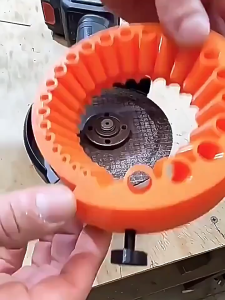
Durable Drill Bit Grinding Sharpener for 2-13 mm Bits Angle Grinder Drill Bit Sharpener For Carbide
Circuitrocks DC Motor 020 15110
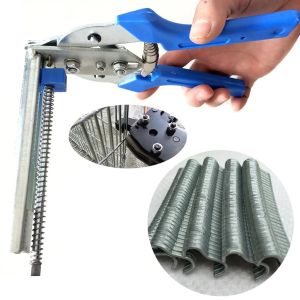
New Hog Ring Plier Tool or 600pcs M Clips Staples Chicken Mesh Cage Wire Fencing Anti-slip Handle Stainless Steel Hand Tools
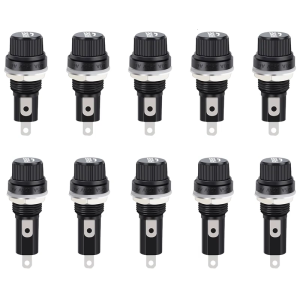
5Pcs Glass Tube Fuses Holders Corrosion Resistant Design Perfect For Replacing Fuses In Home And Automotive Applications
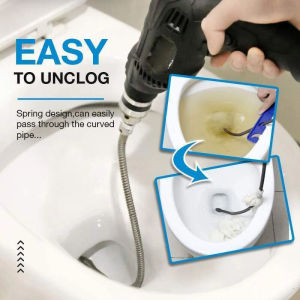
Sewer Dredging Spring Multifunctional Cleaning Claw Drain Spring Pipe Cleaning Tool For Bathroom Kitchen
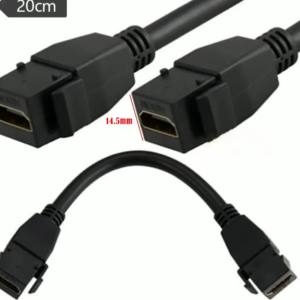
Connector Hdmi Keystone Coupler 4k Hd Keystone Jack Inserts Female/female Adapter Pigtail Extension Cable Snap-in For Wall Plate
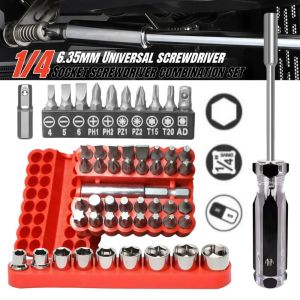
NEW Home repair tools Bicycle Repair Tools set Hex Wrench Nut Tire Screwdriver Socket Set Motorcycle Bicycle Repair Tools

A-G 48CM Large Cleaning Brush Fan Dust Remover Brush Flexible Bendable Sofa Air-conditioner Car Cleaner Home Kitchen Furniture Cleaning Multi-purpose Brushes Gap Dead Angle Cleaning Brush Household Fan Dust Removal BrushA

HUOTO Stainless Steel Digital Calliper: Precision Measuring Tool
Expansion Shield 1/4 5/16 3/8 1/2 Lag Shield Anchor for Lagscrew sold per pc
VARRT X2000 Waterproof Tape: A Comprehensive Guide to Steel Bungalow Roof Leakage Repair