



High Power Cable Connectors & European Wiring Methods
High Power Cable Connectors & European Wiring Methods
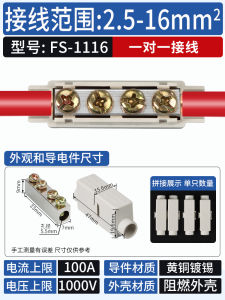
High power cable connectors, quick in and out terminals, wire joint connectors, copper column connectors, and European wiring methods are critical components in electrical systems. This article will provide a comprehensive guide to these elements, covering their types, applications, benefits, and installation techniques.
What Are High Power Cable Connectors?
High power cable connectors are used to connect cables carrying high voltage and current levels. They are commonly used in industrial, automotive, and renewable energy applications. These connectors are designed to handle high power levels while maintaining reliability and safety.
Types of High Power Cable Connectors
There are various types of high power cable connectors, including:
- IEC 60309: These connectors are used in industrial environments and are available in different sizes and configurations.
- NEMA: NEMA connectors are commonly used in North America and are available in various sizes and configurations.
- SAE J1772: These connectors are used in electric vehicle charging stations and are designed to provide a safe and reliable connection.
Applications of High Power Cable Connectors
High power cable connectors are used in various applications, such as:
- Industrial machinery
- Renewable energy systems
- Electric vehicles
- Data centers
Understanding Quick In & Out Terminal Connectors
Quick in and out terminal connectors are designed to facilitate easy and fast connections and disconnections. They are commonly used in automotive, industrial, and renewable energy applications.
How to Use Quick In & Out Terminal Connectors
To use quick in and out terminal connectors, follow these steps:
- Ensure the connector is compatible with the cable and terminal size.
- Insert the cable into the connector.
- Tighten the connector using a wrench or pliers.
Benefits of Using Quick In & Out Terminal Connectors
Quick in and out terminal connectors offer several benefits, such as:
- Easy and fast connections and disconnections
- Improved safety
- Reduced downtime
Wire Joint Connectors: A Comprehensive Guide
Wire joint connectors are used to join two or more wires together. They are commonly used in automotive, industrial, and renewable energy applications.
How to Select the Right Wire Joint Connector
To select the right wire joint connector, consider the following factors:
- Cable size
- Application requirements
- Environmental conditions
Installation Techniques for Wire Joint Connectors
To install wire joint connectors, follow these steps:
- Strip the insulation from the wires.
- Insert the wires into the connector.
- Crimp the connector using a crimping tool.
Copper Column Connectors: An Overview
Copper column connectors are used to connect cables carrying high power levels. They are commonly used in industrial, automotive, and renewable energy applications.
Choosing the Right Copper Column Connector
To choose the right copper column connector, consider the following factors:
- Cable size
- Application requirements
- Environmental conditions
Best Practices for Installing Copper Column Connectors
To install copper column connectors, follow these steps:
- Strip the insulation from the cables.
- Insert the cables into the connector.
- Tighten the connector using a wrench or pliers.
European Wiring Methods: An Introduction
European wiring methods are used in Europe and other parts of the world. They differ from North American wiring methods in terms of voltage, frequency, and wiring configurations.
Advantages of European Wiring Methods
European wiring methods offer several advantages, such as:
- Higher efficiency
- Improved safety
- Reduced energy consumption
Adapting to European Wiring Methods in the U.S.
To adapt to European wiring methods in the U.S., consider the following steps:
- Consult with a licensed electrician familiar with European wiring methods.
- Obtain the necessary permits and approvals.
- Follow the local electrical codes and regulations.

TAO Home Tools
You May Also Like

【1S Cutting】Makita 1288Vf Brushless Cordless Angle Grinder Heavy Duty Original Portable Rechargeable Lithium Batteries Cutting Polishing Sanding Tool Set With Accessories Protective Box Cutting Machine Angle Grinder

10Pieces Correction Tape Roller 8mx5mm for Crafting Making Scrapbooking Refillable White Correction Tape Total 80m
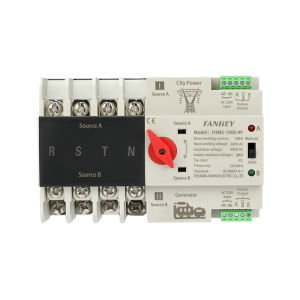
2P/4P Dual Power Automatic Transfer Switch 100/125A ATS: Uninterrupted Power Supply for City Power and Photovoltaic System

For Grinding Metal Jewely Stone Wood Dia.2mm Small Round Needle Files Customizable Alloy Hand Tools

High Quality 60w Electric Soldering Iron Set Heating Tool With Solderings Wire

3-in-1 Multipurpose Bottle Cleaning Tool: A Comprehensive Guide
Makita Electric Chainsaw – 20-Inch Powerful Cordless Ideal for Cutting Trees and Branches
Stainless Steel Soldering Flux Liquid 30ml 80ml For Flux Battery Electrode Soldering Clean Free
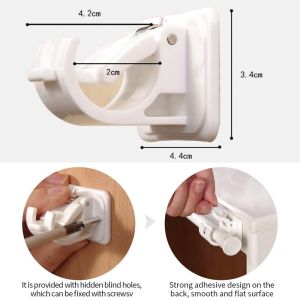
2PCS Curtain Rod Bracket Self Adhesive Drapery Hook Fixing Wall Brackets No Drilling Towel Rod Hook Home Kitchen Bathroom and Hotel Use (White/Transparent)

Glass Door Ground Lock Anti-corrosion Stainless Steel Floor Latch Lock for Shop Glass Door
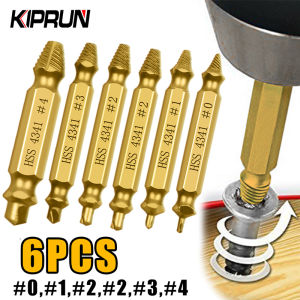
KIPRUN 6 PCS Damaged Screw Extractor Drill Bit Set Stripped Easily Take Out Broken Screw Bolt Remover Extractor Demolition Tools