



How to Utilize Plastic Flower Pot Nursery Basins & Feeding Blocks
How to Utilize Plastic Flower Pot Nursery Basins & Feeding Blocks
Introduction to Plastic Flower Pot Nursery Basins & Feeding Blocks
Plants require proper care and attention to thrive. In this article, we will explore how to utilize plastic flower pot nursery basins and feeding blocks to maximize your gardening experience. These handy gadgets provide a convenient and efficient way to grow plants and maintain their health.
What Are Plastic Flower Pot Nursery Basins?
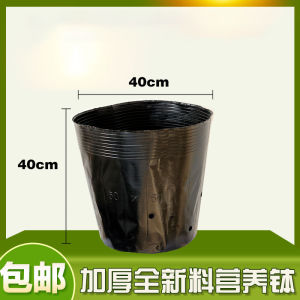
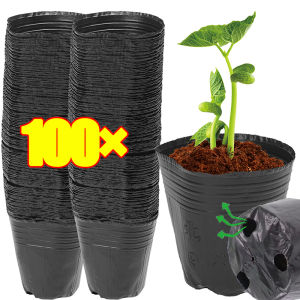
Plastic flower pot nursery basins, also known as disposable seedling cups, are containers specifically designed for growing plants. They are made of thickened soil filling material, which ensures durability and prevents leaks. These basins come in various sizes, making them suitable for both small and large plants.
What Are Feeding Blocks for Plants?
Feeding blocks for plants are solid nutrient sources that slowly release nutrients into the soil over time. They are an effective way to provide essential nutrients to your plants without the hassle of frequent fertilization.
Choosing the Right Plastic Flower Pot Nursery Basin
Selecting the appropriate nursery basin is crucial for the success of your gardening project. Here are some factors to consider when choosing a nursery basin:
- Size: Ensure that the basin is large enough to accommodate the root system of your chosen plant.
- Material: Opt for thickened soil filling containers to prevent leaks and ensure durability.
- Drainage: Look for basins with adequate drainage holes to prevent waterlogging.
Benefits of Using Thickened Soil Filling Containers
Thickened soil filling containers offer several advantages, including:
- Durability: They are less likely to crack or break under pressure.
- Water retention: The thickened material helps retain moisture, reducing the frequency of watering.
- Easy to clean: These containers are easy to rinse and reuse for future planting projects.
Understanding Feeding Blocks for Plants
Feeding blocks for plants are a convenient and efficient way to provide nutrients to your plants. Here are some key features of feeding blocks:
- Slow-release: They release nutrients gradually over time, reducing the need for frequent fertilization.
- Environmentally friendly: Feeding blocks are biodegradable and break down naturally in the soil.
- Cost-effective: They are more cost-effective than traditional fertilizers.
How to Use Feeding Blocks Effectively
To maximize the benefits of feeding blocks, follow these tips:
- Place the block near the roots of your plant, where it can slowly release nutrients into the soil.
- Monitor the growth of your plant and adjust the frequency of feeding block replacement as needed.
- Avoid over-fertilizing by using feeding blocks in moderation.
Tips for Successful Planting with Plastic Flower Pot Nursery Basins & Feeding Blocks
Here are some essential tips to help you achieve success in planting with plastic flower pot nursery basins and feeding blocks:
Preparing Your Soil for Planting
- Choose a well-draining soil mix that is appropriate for your plant type.
- Add organic matter, such as compost or aged manure, to improve soil fertility.
- Mix in a slow-release fertilizer if desired.
Properly Positioning Your Plant in the Nursery Basin
- Gently remove the plant from its original container and loosen the root ball.
- Place the plant in the center of the nursery basin, ensuring that the roots are spread out evenly.
- Fill in the gaps around the roots with soil, pressing gently to eliminate air pockets.
Maintaining Optimal Moisture Levels
- Water your plant regularly, keeping the soil consistently moist but not waterlogged.
- Monitor the moisture level by checking the soil with your finger or using a moisture meter.
- Adjust watering frequency based on weather conditions and plant needs.
Conclusion: Maximizing Your Gardening Experience with Plastic Flower Pot Nursery Basins & Feeding Blocks
Plastic flower pot nursery basins and feeding blocks offer a convenient and efficient way to grow plants and maintain their health. By choosing the right nursery basin, understanding feeding blocks, and following the tips provided, you can maximize your gardening experience and enjoy a thriving garden.

TAO Gardening Tools
You May Also Like

Agricultural Garden Gasoline Small Rotary Cultivator: A Comprehensive Guide
Manganese Steel Agricultural Hoe: A Must-Have Home Soil Excavation Tool
Commercial Plastic Melamine Barbecue Skewer Plate Specialized for Fried Skewer Shop Display Tray Rectangular Shape Skewer Holder
Wall Mounted Garden Irrigation Hose Pipe Hanger Tap Watering Hose Organizer Storage Holder Pipe Winding Frame
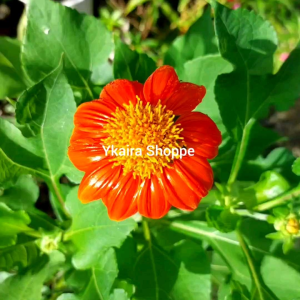
Binhi Pantanim Seeds: An Anti-Mosquito Tithonia Outdoor Garden Plant
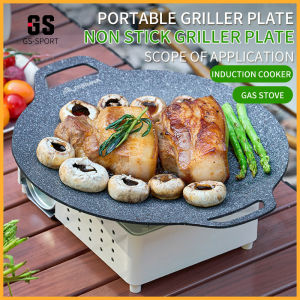
Size 34cm Portable Grill Pan Non Stick Outdoor Camping Frying pan Portable BBQ grill plate
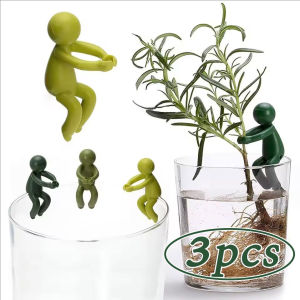
YESPERY 1/3Pcs Cute Little Man Plant Stand Support Bendable Reusable Hydroponic Plant Holder Plant Support For Stems Shoots And Cuttings
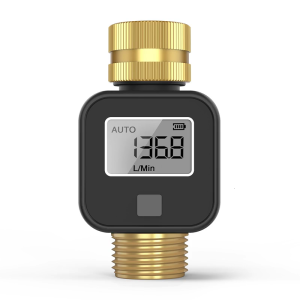
Programmable Electronic Water Flows Meter Real Time LCD Display ABS Water Flows Measurement Device for Home Garden Use
9-Inch Silicone Food Tongs BBQ Grill Cooking Kitchen Utensils High Temperature Resistant Barbecue Clamp Baking Accessories

Brass Handicraft Large Engraved Bell Produces Loud Clear Sound School Meditation Church Bronze Creative Gifts Pet Bell
100Pcs Plastic Seedling Pot Nursery Cup Thickened Black Seedling Bag High Quality Garden Vegetable Plant Nutrition Cup