


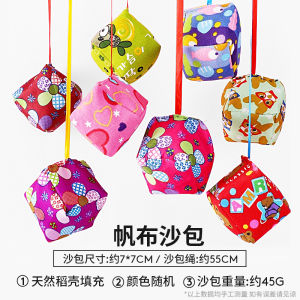
Sandbag Kids Game: Sensory Training for Kindergarten & Primary School Students
Sandbag Kids Game: Sensory Training for Kindergarten & Primary School Students
What is the Sandbag Kids Game?
The Sandbag Kids Game is a fun and engaging sensory training activity designed specifically for kindergarten and primary school students. This game focuses on developing their motor skills, hand-eye coordination, and spatial awareness through various throwing sports. The game can be played both indoors and outdoors, making it adaptable to different environments and weather conditions.
Core Concepts of the Game
The Sandbag Kids Game revolves around the use of sandbags as the primary tool for throwing activities. These sandbags come in various sizes and weights, allowing educators to tailor the game to the age and skill level of their students. The core concepts of the game include:
- Throwing: Students will practice throwing sandbags at targets, either individually or in teams.
- Catching: Students will develop their catching skills by attempting to catch thrown sandbags.
- Balance: Students will work on maintaining balance while holding and throwing sandbags.
- Spatial Awareness: Students will improve their understanding of space and distance by adjusting their throws accordingly.
Benefits of Sensory Training
Sensory training is crucial for young children as it helps them develop essential life skills and cognitive abilities. The Sandbag Kids Game offers numerous benefits, including:
- Motor Skill Development: By practicing throwing and catching, students will enhance their fine and gross motor skills.
- Hand-Eye Coordination: The game requires students to focus on their target, improving their ability to coordinate their hands and eyes.
- Spatial Awareness: As students learn to adjust their throws based on distance and obstacles, they'll develop a better understanding of spatial relationships.
- Social Skills: Playing the game in teams encourages cooperation, communication, and teamwork among students.
How to Implement the Sandbag Kids Game
To effectively incorporate the Sandbag Kids Game into your physical education curriculum, consider the following implementation strategies:
Indoor Throwing Sports
Indoor throwing sports are perfect for rainy days or when outdoor play isn't possible. Set up a designated area within your classroom or gymnasium, and provide students with sandbags of varying sizes and weights. Some popular indoor throwing sports include:
- Target Practice: Set up targets at different distances and have students aim for specific areas.
- Relay Races: Divide students into teams and have them pass sandbags back and forth while running down a marked course.
- Balancing Acts: Challenge students to maintain their balance while carrying or throwing sandbags.
Outdoor Throwing Sports
When the weather permits, take advantage of outdoor spaces to engage students in more dynamic throwing sports. Popular outdoor throwing sports include:
- Long-Distance Throws: Have students compete to see who can throw a sandbag the farthest.
- Team Relay Races: Similar to indoor relay races, but with longer distances and more challenging terrain.
- Obstacle Courses: Create an obstacle course using cones, hurdles, and other equipment, and have students navigate it while carrying or throwing sandbags.
Matching Throwing Game
The Matching Throwing Game is a fun and interactive way to reinforce learning objectives while engaging students in sensory training. To play, set up pairs of targets with matching colors, shapes, or numbers. Have students throw sandbags at the corresponding targets, encouraging them to match the correct pair.
Best Practices for Physical Education Teachers
To ensure a successful and safe experience for students participating in the Sandbag Kids Game, consider these best practices:
Adapting the Game for Different Age Groups
Tailor the game to suit the age and skill level of your students. For younger children, use lighter sandbags and simpler targets, while older students can handle heavier bags and more complex challenges.
Ensuring Safety During the Game
Safety is paramount when playing any physical game. Ensure students wear appropriate footwear and clothing, and supervise the game closely to prevent accidents. Establish clear rules and guidelines for proper throwing techniques to minimize the risk of injury.
Integrating the Game into Physical Education Curriculum
Incorporate the Sandbag Kids Game into your existing physical education curriculum to complement other activities and reinforce learning objectives. Consider integrating the game into lesson plans focused on motor skill development, spatial awareness, and social skills.
By following these guidelines, you can create a fun and engaging sensory training experience for kindergarten and primary school students using the Sandbag Kids Game.

TAO Outdoor Sports
You May Also Like
MrLurion 3.5g 5g 7g 10g 14g 20g Fishing hook Rigging jig head hook set soft worm grub lure bait hook fishing tackle set
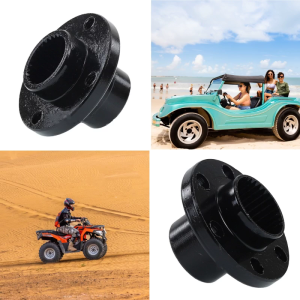
Chain Wheel Fixing Seat Rear Transmission Shaft Rear Sprocket Fixing Seat Metal Gear Flange Durable for ATV GY6
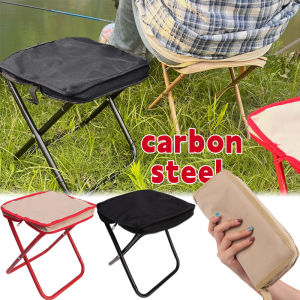
Multifunctional Camping Folding Stool with Storage Bag Beach Picnic Fishing Collapsible Chair Seat Portable Fishing Stool Fold-up Camping Chair
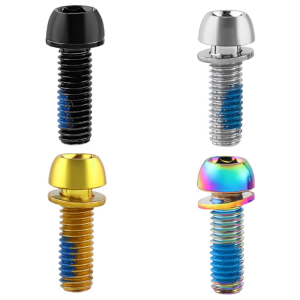
12Pcs Metal Iron Bike Stem Bolt with Washer Road Bike Stem Risers Screw Bicycles Disc Brake Calipers Bolt Enduring
1000ML 316 Stainless Steel Vacuum Thermos Cup Large Capacity Outdoor Sport Water Bottle Coffee Cup
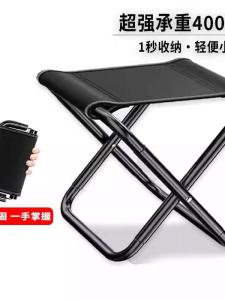
Portable Outdoor Folding Chair Thickened Travel Fishing Camping Compact Stool Leisure Furniture Lightweight Picnic Seat
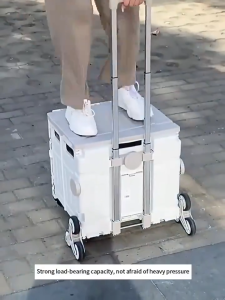
KUKI Outdoor Camping Trolley Cart Stair-Climbing Wheel Foldable Shopping Cart Storage Grocery Cart
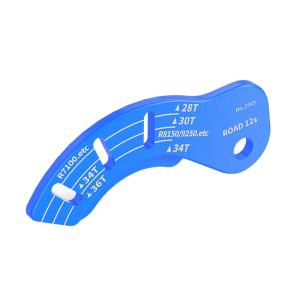
Durability Chain Tension Adjuster Professional Grades Gear Adjustment Tool Professional Cycling Accessory
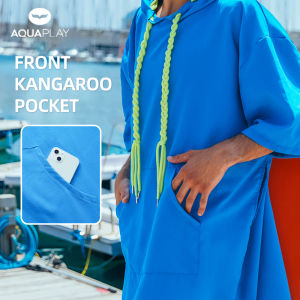
AquaPlay Sky Blue Braided Hat Rope Hooded Beach Poncho Couples Sun Protection Quick-Dry Surfing Diving Bathrobe
PORTABLE MINI OUTDOOR flashlight Pen shape touch flashlight
Folding Bike Chainring 130 BCD Chain Wheel 38T 39T 40T 42T 44T 46T 48T 50T 52T 53T 56T Road Bicycle BCD130 Crown CNC 3/32"