


Self-adhesive Leather Repair Patch Fabric: A Comprehensive Guide
Self-adhesive Leather Repair Patch Fabric: A Comprehensive Guide
Understanding Self-adhesive Leather Repair Patches
Key Features & Benefits
Self-adhesive leather repair patches are designed to restore damaged leather surfaces, offering a cost-effective and efficient solution. These patches are easy to apply and provide a seamless finish, ensuring that the repaired area blends seamlessly with the original leather. They are made from high-quality materials, ensuring durability and longevity.
Some key features of self-adhesive leather repair patches include:
- Easy application process
- Durable and long-lasting
- Seamless finish
- Versatile applications
Applications & Usage
Self-adhesive leather repair patches can be used to repair various leather items, including electric vehicle seat cushions, chair bed head materials, and sofa damage. These patches are ideal for both home and professional use, making them a popular choice among DIY enthusiasts and leather restoration experts alike.
Electric Vehicle Seat Cushion Repair
Common Issues & Solutions
Electric vehicle seat cushions can experience wear and tear over time, leading to issues such as cracks, tears, and fading. Self-adhesive leather repair patches offer a practical solution to address these issues, restoring the seat cushion's appearance and functionality.
Common electric vehicle seat cushion repair issues include:
- Cracks and tears
- Fading and discoloration
- Stains and marks
Step-by-step Repair Process
To repair an electric vehicle seat cushion using self-adhesive leather repair patches, follow these steps:
- Clean the damaged area thoroughly using a mild cleaner and a soft cloth.
- Dry the area completely before applying the patch.
- Cut the self-adhesive leather repair patch to the appropriate size.
- Peel off the backing and apply the patch to the damaged area.
- Press firmly to ensure proper adhesion.
- Allow the patch to cure according to the manufacturer's instructions.
Chair Bed Head Material Repair
Identifying Damage & Choosing the Right Patch
Chair bed head materials can suffer from various types of damage, such as scratches, stains, and tears. Identifying the type of damage is crucial in selecting the appropriate self-adhesive leather repair patch.
Some common types of chair bed head material damage include:
- Scratches and scuffs
- Stains and marks
- Tears and holes
Repairing Chair Bed Head Material
To repair chair bed head material using self-adhesive leather repair patches, follow these steps:
- Clean the damaged area thoroughly using a mild cleaner and a soft cloth.
- Dry the area completely before applying the patch.
- Cut the self-adhesive leather repair patch to the appropriate size.
- Peel off the backing and apply the patch to the damaged area.
- Press firmly to ensure proper adhesion.
- Allow the patch to cure according to the manufacturer's instructions.
Sofa Repair Sticker Techniques
Choosing the Right Fabric & Patch
When repairing sofa damage, it's essential to choose the right fabric and patch to ensure a seamless finish. Self-adhesive leather repair patches are ideal for restoring leather sofas, providing a durable and long-lasting solution.
Some factors to consider when choosing the right fabric and patch include:
- Leather type and color
- Damage severity
- Patch size and shape
Repairing Sofa Damage
To repair sofa damage using self-adhesive leather repair patches, follow these steps:
- Clean the damaged area thoroughly using a mild cleaner and a soft cloth.
- Dry the area completely before applying the patch.
- Cut the self-adhesive leather repair patch to the appropriate size.
- Peel off the backing and apply the patch to the damaged area.
- Press firmly to ensure proper adhesion.
- Allow the patch to cure according to the manufacturer's instructions.
Self-adhesive Leather Repair Patch Tips & Tricks
Best Practices for Optimal Results
To achieve the best results when using self-adhesive leather repair patches, follow these best practices:
- Clean the damaged area thoroughly before applying the patch.
- Dry the area completely before applying the patch.
- Cut the patch to the appropriate size and shape.
- Apply the patch firmly to ensure proper adhesion.
- Allow the patch to cure according to the manufacturer's instructions.
Troubleshooting Common Issues
If you encounter issues when using self-adhesive leather repair patches, refer to the following troubleshooting tips:
- If the patch doesn't adhere properly, clean the area again and dry it thoroughly before reapplying the patch.
- If the patch peels away, check if the surface is clean and dry before reapplying the patch.
- If the patch doesn't match the original leather color, consider using a leather dye to achieve a better match.

TAO Home Textiles
You May Also Like
Modern Accent Chair Faux Leather Upholstered Living Room Chair with Wrapped Armrests Arm Chair with Black Metal Frame Comfy Single Chair for Living Room/Bedroom/Reading Room

Household Sealed Rotating Snack Fruit Tray Minimalistic Transparent Sorting Storage Box Rugged Waterproof And Moisture-Proof

CRQ2BS Table Swing Rotating Cylinder CDRQ2BS10/15/20/30/40-90/180 CDRQ2BS30-180
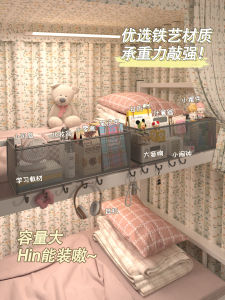
Hanging Bedside Shelf Dormitory Bed Storage Rack Girls Essential Upper-Bed Side Basket Storage Basket Wall-Mounted Organizer
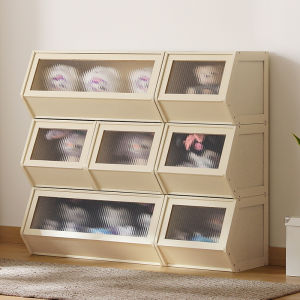
Creative Five-Drawer Bedroom Storage Cabinet Wall-Mounted Living Room Organizer Small Standalone Bedside Storage Unit
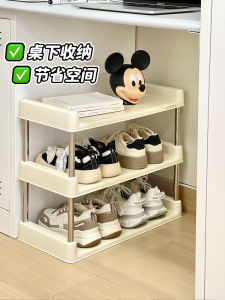
Modern Minimalist Underbed Shoe Rack Small Multi-layer Indoor Shoe Storage Simple Easy-to-Assemble Shoe Cabinet for Dormitory
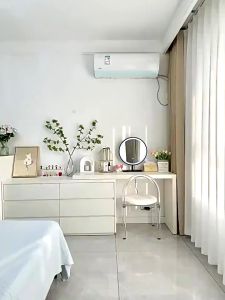
【On Hand】Simple Modern Vanity Table Dressing Table Makeup with Drawer Bedside Cabinet Cosmetic Table
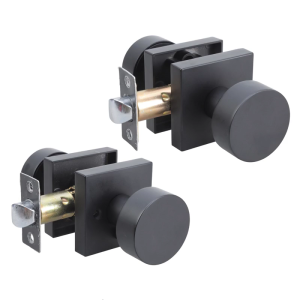
Round Shaped Nonlocking Doorknob Zinc Alloy Door Knobs Knobset Metal Handle Knob NonLocking Interior Door Handles
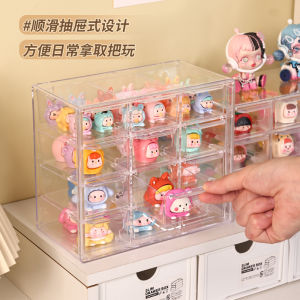
The Ultimate Guide to Mini Doll Drawer Storage & Transparent Blind Box Storage
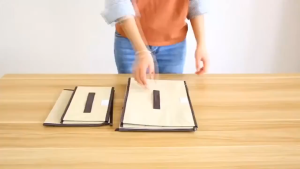
2in1 Plain Color Foldable Storage Box Organizer With Cover set Clothes Storage Box With Lids

ORIGINAL URATEX 4INCH THICK FOAM WITH COVER/ URATEX MATTRESS/ FOAM WITH COVER