


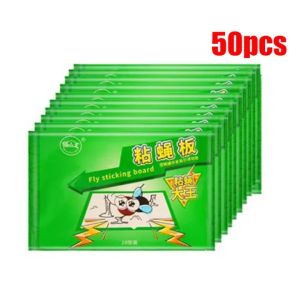
Fast Delivery Fly Trap: 50/100 pcs Super Sticky Fly Paper Trap
Fast Delivery Fly Trap: 50/100 pcs Super Sticky Fly Paper Trap
What Are Fly Traps & How Do They Work?
Fly traps are devices designed to catch and eliminate flies, reducing their population in homes and other environments. These traps come in various forms, such as sticky paper traps, electric zappers, and baited containers. Each type works differently, but all aim to capture and remove flies effectively.
Understanding Different Types of Fly Traps
There are several types of fly traps available, including:
- Sticky fly paper traps: These traps consist of a strip of paper coated with a strong adhesive that catches flies upon contact.
- Electric fly zappers: These devices emit ultraviolet light to attract flies, which are then electrocuted upon contact with the zapper's grid.
- Baited fly traps: These traps contain a lure that attracts flies, which then become trapped inside the container.
Benefits of Using Fly Traps
Fly traps offer numerous benefits, such as:
- Reducing fly populations: By capturing and eliminating flies, fly traps help maintain a cleaner environment.
- Preventing disease transmission: Flies can spread diseases through their feces and regurgitation, so removing them helps minimize health risks.
- Cost-effective pest control: Compared to chemical pesticides, fly traps are often more affordable and safer to use.
Choosing the Right Fly Trap for Your Needs
When selecting a fly trap, consider factors such as:
- Environment: Choose a trap that works best in your specific setting, whether it's indoors or outdoors.
- Fly species: Different fly traps may be more effective against certain types of flies, such as houseflies or fruit flies.
- Ease of use: Opt for a trap that is simple to set up and maintain, ensuring long-term effectiveness.
How to Use a Super Sticky Fly Paper Trap
Using a super sticky fly paper trap is straightforward and requires minimal effort. Follow these steps to ensure optimal results:
Setting Up Your Fly Trap
- Unroll the fly paper strip and attach it to a surface using the adhesive backing or clips provided.
- Hang the trap in a location where flies are most active, such as near windows, doors, or food preparation areas.
- Allow the trap to work its magic, capturing flies as they come into contact with the sticky surface.
Placement Tips for Optimal Results
To maximize the effectiveness of your fly paper trap, consider these placement tips:
- High traffic areas: Position traps near entry points, such as doors and windows, to intercept flies as they enter your home.
- Food preparation areas: Place traps near kitchen counters, dining tables, and garbage disposal areas to minimize fly activity around food sources.
- Avoid direct sunlight: UV rays can degrade the adhesive on fly paper traps, so avoid placing them in direct sunlight or near heat sources.
Maintaining Your Fly Trap
Regular maintenance ensures your fly trap continues to perform effectively. Follow these guidelines:
- Replace old traps: Once a trap becomes saturated with flies, replace it with a new one to maintain optimal performance.
- Clean surrounding surfaces: Regularly clean areas around your fly trap to eliminate potential breeding grounds for flies.
- Monitor trap effectiveness: Periodically check your trap to ensure it is still working efficiently and adjust placement if necessary.
Fly Trap Safety & Environmental Considerations
While fly traps are generally safe and effective, it's essential to consider safety and environmental factors when using them.
Ensuring Safe Usage Around Pets & Children
To minimize risks associated with fly traps, take these precautions:
- Keep out of reach: Store fly traps out of reach of children and pets to prevent accidental ingestion or contact with the adhesive surface.
- Use child-proof containers: If using baited fly traps, opt for containers with secure lids to prevent accidental spills or access by children and pets.
Proper Disposal of Used Fly Traps
When disposing of used fly traps, follow these guidelines:
- Seal the trap: Before disposal, seal the used fly trap in a plastic bag to prevent any remaining flies from escaping.
- Dispose of safely: Place sealed fly traps in the trash, ensuring they are disposed of properly according to local regulations.
Eco-Friendly Alternatives to Chemical Fly Traps
For those seeking environmentally friendly pest control options, consider these alternatives:
- Natural fly repellents: Essential oils, such as lavender and peppermint, can repel flies without harming the environment.
- Fly swatters: Simple, reusable fly swatters provide an eco-friendly alternative to disposable fly traps.
- DIY fly traps: Create your own fly traps using natural ingredients like apple cider vinegar and dish soap, reducing reliance on chemical products.
By understanding the different types of fly traps available and following proper usage guidelines, you can effectively manage fly populations in your home or business while minimizing environmental impact. }

AJJ.PH
Review
You May Also Like
Rust Remover & Kitchen Cleaner: Keimav's Magical Stainless Steel Cookware Paste
Bathroom Fragrance Air Freshener Toilet Bathroom Deodorization Closet Perfume Aromatherapy
KELLY’S CHOICE Room & Linen Spray
Redmond 8PCS/Pack Wood Pulp Extractable Facial Tissue: A Comprehensive Guide
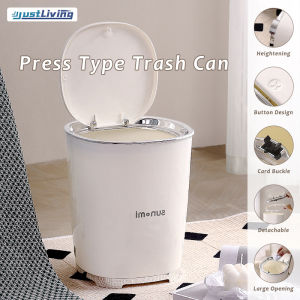
JustLiving 1PC 8L Press-Type Trash Can: A Durable & Convenient Recycling Solution
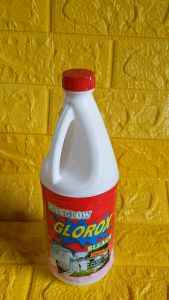
MAXGLOW Glorox Bleach - 1 Liter
Plastic Spoon and Fork - Black and White (25pcs per pack) Heavy Duty
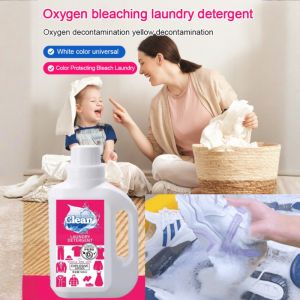
【Hot/Deep Cleaning】 Oxygen Bleach Laundry Detergent Natural & Organic Hypoallergenic
Auto Bowl Maintainer or Urinal Cleaner & Deodorizer
20pcs Organic green tea Facial Tissue Paper 4 ply 10 Packs Tissue Paper Towel
【MY Girl】Highend Tissue Oversized 1280pcs (320draws)/ tisu / napkin / facial tissue paper towel