


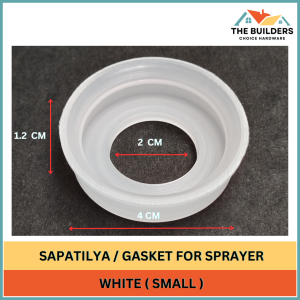
Piston/Gasket for Manual Sprayer Pump (Sold Per Piece)
Piston/Gasket for Manual Sprayer Pump (Sold Per Piece)
Sprayer pumps are essential tools used in various industries, from agriculture to home gardening. They play a vital role in efficiently distributing liquids such as fertilizers, pesticides, and herbicides. To ensure optimal performance, it is crucial to understand the components of a manual sprayer pump, particularly the piston and gasket. In this article, we will delve into the world of sprayer pump parts, focusing on pistons and gaskets, and provide valuable insights on choosing the right accessories, maintenance, and troubleshooting common issues.
Understanding Sprayer Pump Parts
What are Sprayer Pump Components?
Sprayer pumps consist of several components that work together to create a reliable and efficient system. Some of the main components include:
- Piston: The piston is a cylindrical component that moves back and forth inside the pump cylinder, creating suction and pressure to draw liquid from the tank and dispense it through the nozzle.
- Gasket: A gasket is a thin, flexible material placed between two surfaces to prevent leaks and ensure a tight seal. In a sprayer pump, gaskets are typically found around the piston and cylinder, as well as between other moving parts.
- Handle: The handle is the part of the sprayer pump that the operator grips and squeezes to generate pressure and dispense liquid.
- Nozzle: The nozzle is the outlet through which the liquid is sprayed. It can be adjusted to control the spray pattern and pressure.
- Tank: The tank is the container that holds the liquid to be sprayed.
What is a Piston for Manual Sprayer Pump?
A piston for a manual sprayer pump is a cylindrical component that moves back and forth inside the pump cylinder. Its primary function is to create suction and pressure, drawing liquid from the tank and dispensing it through the nozzle. Pistons are typically made of durable materials such as metal or high-quality plastic to withstand the rigors of repeated use.
What is a Gasket for Sprayer Pump?
A gasket for a sprayer pump is a thin, flexible material placed between two surfaces to prevent leaks and ensure a tight seal. In a sprayer pump, gaskets are typically found around the piston and cylinder, as well as between other moving parts. They help maintain the integrity of the pump system by preventing liquid from escaping and ensuring optimal performance.
Choosing the Right Accessories
How to Choose the Best Sprayer Pump Accessories?
When selecting sprayer pump accessories, such as pistons and gaskets, consider the following factors:
- Compatibility: Ensure that the accessory is compatible with your specific sprayer pump model. Check the manufacturer's recommendations or consult with a knowledgeable sales representative.
- Quality: Opt for high-quality accessories made from durable materials that can withstand repeated use and exposure to various liquids.
- Price: While price is an important consideration, remember that investing in quality accessories can save you money in the long run by extending the life of your sprayer pump.
What are the Benefits of Using Quality Sprayer Pump Accessories?
Using quality sprayer pump accessories, such as pistons and gaskets, offers several benefits:
- Improved Performance: High-quality accessories can enhance the overall performance of your sprayer pump, ensuring efficient liquid distribution and optimal results.
- Increased Durability: Investing in durable accessories can extend the life of your sprayer pump, saving you money on replacements and repairs.
- Peace of Mind: Knowing that your sprayer pump is equipped with reliable accessories can provide peace of mind, allowing you to focus on your tasks without worrying about equipment failure.
Maintenance and Troubleshooting
How to Maintain Manual Sprayer Pumps?
To ensure the longevity and optimal performance of your manual sprayer pump, follow these maintenance tips:
- Regular Cleaning: Clean your sprayer pump after each use to remove any residue or debris that could affect its performance.
- Lubrication: Apply lubricant to moving parts, such as the piston and gasket, to reduce friction and wear.
- Storage: Store your sprayer pump in a cool, dry place away from direct sunlight and extreme temperatures.
How to Troubleshoot Common Issues with Manual Sprayer Pumps?
If you encounter issues with your manual sprayer pump, try these troubleshooting tips:
- Leaking: Check for worn or damaged gaskets and replace them if necessary.
- Reduced Pressure: Inspect the piston and cylinder for signs of wear or damage, and replace any faulty components.
- Clogging: Clean the nozzle and tank to remove any debris that could be causing blockages.
Conclusion
Understanding the components of a manual sprayer pump, particularly pistons and gaskets, is crucial for optimal performance and longevity. By choosing the right accessories, maintaining your sprayer pump, and troubleshooting common issues, you can ensure efficient liquid distribution and achieve the desired results in your agricultural or gardening endeavors.

TheBuildersChoiceHardware
You May Also Like
Universal Chainsaw Saw Chain Chainsaw Guide Bar Chainsaw Chains 16"/20"22"/24" Drive Links For Chainsaw Replacement

Grass Edging Fence Belt Border Garden Lawn Stone Isolation Path Barrier Patio Greening Belt Plastic: A Comprehensive Guide

Green House® - Bonsai Bell Pepper Seeds for Planting Vegetable Plants (20 Seed) incl. Instruction Siling Kampana Tamban
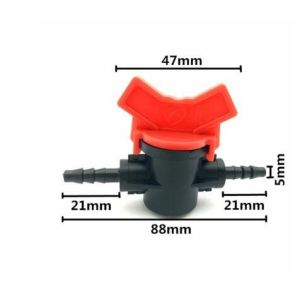
1/4" irrigation water valve 2-way 4/7 hose waterstop connectors Mini Valve 1/4" barb Drip adapter
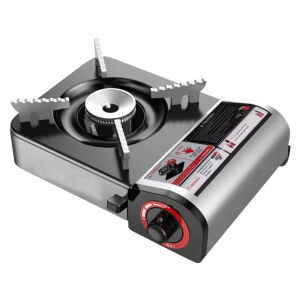
【Fast delivery】 Portable Butane Camping Stove with Adjustable Flame Lightweight Outdoor Cooking Appliance for Hiking and Emergency

C.N 1Pack Rat Repellant Mothballs Plant Formula Suitablefor Home Rat Repellant and Cockroaches
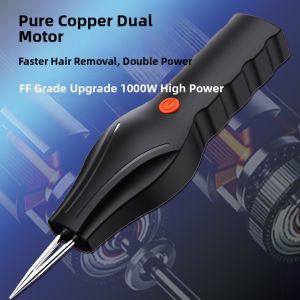
MONLEYTA | Handheld Electric Duck Goose Feathers Automatic Remover Machine Plug And Charge Waterproof Home Appliance For Poultry

Libas Fresh Dahon 60 Pcs Vegetable Leaves Outdoor Garden Plant

Indigofera Seeds 150g to 1000g (Indigofera zollingeriana) Forage Seeds
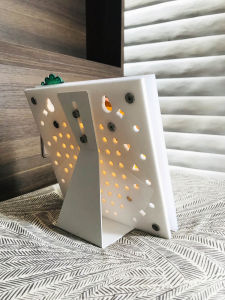
Indoor Desktop Plant Stand Self-Watering Holder for Swallowtail Orchid Ball Butterfly Fern Greenery Simple Style Home Decor

Rustic Iron Garden Fence Small Outdoor Balcony Plant Support Flower Rack Vine Support Garden Decoration Courtyard Fence