


Robotic Gloves for Motor Rehabilitation: A Comprehensive Guide
Robotic Gloves for Motor Rehabilitation: A Comprehensive Guide
What Are Robotic Gloves for Motor Rehabilitation?
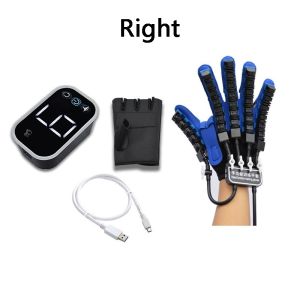
Robotic gloves for motor rehabilitation, also known as stroke hemiplegic finger trainers, are innovative devices designed to assist individuals recovering from motor function impairments, particularly those caused by strokes or other neurological conditions. These rehabilitation gloves serve as finger rehabilitation training devices, enabling patients to regain their motor skills through targeted exercises and therapies.
The Importance of Finger Rehabilitation Training Devices
Finger rehabilitation training devices play a crucial role in the recovery process for patients who have experienced motor function loss. By providing controlled and repetitive movements, these devices help strengthen muscles, improve dexterity, and enhance overall hand function. In addition, robotic gloves can offer real-time feedback and progress tracking, allowing healthcare providers to monitor patient progress and adjust treatment plans accordingly.
Key Features of Robotic Gloves
Robotic gloves for motor rehabilitation come equipped with various features designed to optimize the recovery process. Some key features include:
- Adjustable resistance: Allows users to customize the level of difficulty during exercises, making it suitable for different stages of recovery.
- Real-time feedback: Provides instant updates on performance, helping users stay motivated and focused on their goals.
- Progress tracking: Enables healthcare providers to monitor patient progress and adjust treatment plans as needed.
- User-friendly design: Ensures easy operation and comfort during use.
Benefits of Using Robotic Gloves for Motor Rehabilitation
Using robotic gloves for motor rehabilitation offers numerous advantages, including:
- Improved motor function: Robotic gloves help patients regain their motor skills through targeted exercises and therapies.
- Enhanced dexterity: By strengthening muscles and improving coordination, robotic gloves contribute to better hand function.
- Increased independence: As patients recover their motor abilities, they become more self-reliant and capable of performing daily tasks.
- Personalized treatment plans: Robotic gloves can be tailored to meet individual needs, ensuring optimal recovery outcomes.
How to Choose the Right Motor Function Training Gloves
Selecting the appropriate motor function training gloves requires careful consideration of several factors. Here are some essential aspects to keep in mind when choosing the right robotic glove for motor rehabilitation:
Factors to Consider When Selecting Robotic Gloves
- Adjustable resistance: Look for devices that allow users to customize the level of difficulty during exercises.
- Real-time feedback: Choose gloves that provide instant updates on performance to help users stay motivated and focused.
- Progress tracking: Opt for devices that enable healthcare providers to monitor patient progress and adjust treatment plans as needed.
- User-friendly design: Ensure the glove is easy to operate and comfortable during use.
Comparison of Popular Robotic Glove Models
Several popular robotic glove models are available on the market today. Some notable options include:
- Model A: Known for its adjustable resistance and real-time feedback features, making it suitable for various stages of recovery.
- Model B: Offers a user-friendly design and progress tracking capabilities, allowing healthcare providers to monitor patient progress effectively.
- Model C: Provides customizable exercises and real-time feedback, helping users stay engaged and motivated throughout their rehabilitation journey.
Tips for Effective Use of Robotic Gloves
To maximize the benefits of using robotic gloves for motor rehabilitation, consider the following tips:
- Follow a structured exercise routine: Consistency is key when it comes to regaining motor function. Stick to a predetermined schedule to ensure steady progress.
- Adjust resistance levels: Gradually increase the difficulty of exercises as your strength improves to continue challenging yourself.
- Monitor progress: Regularly track your performance and share results with your healthcare provider to make informed decisions about your treatment plan.
- Stay motivated: Set realistic goals and celebrate small victories along the way to maintain a positive attitude throughout your recovery journey.
Real-Life Applications of Robotic Gloves for Motor Rehabilitation
Robotic gloves have proven effective in various real-life applications, demonstrating their potential to significantly improve motor function and overall quality of life for patients. Here are some examples of successful motor rehabilitation using robotic gloves:
Case Studies of Successful Motor Rehabilitation Using Robotic Gloves
- Case Study 1: A stroke survivor regained the ability to grasp objects after using a robotic glove for motor rehabilitation over six months.
- Case Study 2: An individual with hemiplegia experienced improved hand function and dexterity after incorporating a robotic glove into their treatment plan.
Patient Testimonials: Experiences with Robotic Gloves
Patients who have used robotic gloves for motor rehabilitation often share positive experiences and testimonials about their recovery journey. Here are some examples:
- Patient Testimonial 1: "Using a robotic glove has helped me regain my independence and perform daily tasks more easily."
- Patient Testimonial 2: "I'm grateful for the progress I've made thanks to my robotic glove. It has given me hope for a brighter future."
Future Trends in Robotic Glove Technology
The field of robotic glove technology continues to evolve, with ongoing advancements aimed at enhancing their effectiveness and accessibility. Some future trends include:
- Integration with virtual reality: Combining robotic gloves with virtual reality platforms to create immersive rehabilitation experiences.
- Wearable technology: Developing lighter, more compact devices that can be worn discreetly during daily activities.
- AI-powered personalization: Leveraging artificial intelligence to tailor exercise routines and treatment plans to individual needs.
Conclusion: The Future of Robotic Gloves for Motor Rehabilitation
Robotic gloves for motor rehabilitation represent a promising solution for individuals recovering from motor function impairments. By providing targeted exercises and therapies, these devices help patients regain their motor skills, improve dexterity, and enhance overall hand function. As technology continues to advance, we can expect even more innovative solutions to emerge, further improving the quality of life for those affected by motor function loss.
Summary of Key Points
- Robotic gloves for motor rehabilitation are finger rehabilitation training devices designed to assist individuals recovering from motor function impairments.
- They offer adjustable resistance, real-time feedback, progress tracking, and user-friendly design features.
- Selecting the right motor function training glove requires careful consideration of several factors, including adjustable resistance, real-time feedback, progress tracking, and user-friendly design.
- Real-life applications demonstrate the potential of robotic gloves to significantly improve motor function and overall quality of life for patients.
Final Thoughts on Robotic Gloves for Motor Rehabilitation
Robotic gloves for motor rehabilitation represent a significant advancement in the field of rehabilitation technology. By providing targeted exercises and therapies, these devices help patients regain their motor skills, improve dexterity, and enhance overall hand function. As technology continues to evolve, we can expect even more innovative solutions to emerge, further improving the quality of life for those affected by motor function loss.
Next Steps for Patients and Healthcare Providers
Patients and healthcare providers can take the following steps to incorporate robotic gloves into their rehabilitation journey:
- Research available options: Explore different robotic glove models and compare their features to find the best fit for individual needs.
- Consult with healthcare professionals: Seek guidance from qualified healthcare providers to determine the most appropriate treatment plan.
- Stay informed about advancements: Keep up-to-date with the latest developments in robotic glove technology to ensure optimal recovery outcomes.

heartbeat store
You May Also Like
Cupping Massage Moxibustion Box Moxa Sticks Burner Acupuncture Point Therapy Women Gynaecopathia Heating Therapy Pain Relief
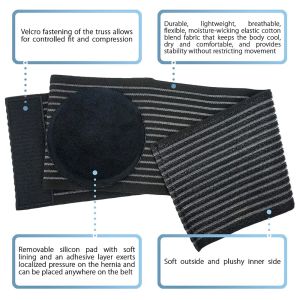
Premium Umbilical Hernia Belt Abdominal Binder with Hernia Support Pad Navel Ventral Epigastric Incisional Belly Button Hernias
【Local Delivery】Tablet Pill Splitter Pill Cutter Box Portable Small Medicine Box Pill Holder

Milk Thistle Capsules for Liver Cleanse Detox Support Liver Detox Supplement Silymarin Liver Support Liver Health Supplement with Silymarin for Liver Repair and Regeneration
Slaymina Slimming Capsule Weight Loss Capsules (Strong Formulation) Slaymina Beauty Capsules From Magic Potions Genuine Fat Burning And Body Shaping To Create Harmonious Body Curves 30 Caps

Onomint Haplas: A Medicinal Herbal Pain Relieving Cream

Alpha Lipoic Acid Support Glucose Metabolism whiting Regenerate Antioxidants Helps Relieve Nerve Pain

Disposable Non-Woven Isolation Gown Thickened Protective Work Clothes PPE Medical Gown Suit
Pill Box JP31 31 Day Medicine Tablet Dispenser Organizer Weekly Storage Case Extra Large or 31 Day 4 Week Cases for Home Travel by Weeks with Dust-Proof Container Pills/Vitamin/Fish Oil/Supplements
Pack of 12 Precuts Kinesiology Tape Elastic Sports Bandages Elastic Therapeutic Tape for Wrist Support Muscle Recovery

100mg Caffeine Tartaric Acid Tablets: Boosting Energy & Performance