



Early Education Baby Story Books: Enhancing Your Toddler's Learning Experience
Early Education Baby Story Books: Enhancing Your Toddler's Learning Experience
What Are Early Education Baby Story Books?
Early education baby story books are specially designed books aimed at toddlers and young children to help them develop their cognitive, language, and social skills. These books come in various formats, including traditional paper books, fabric story books, and interactive learning books. Early education baby story books serve as valuable tools for parents and caregivers to engage their children in playful learning activities and support their overall development.
Understanding the Benefits of Early Education
Early education plays a crucial role in shaping a child's future success. Research has shown that children who receive early education tend to perform better academically, develop stronger social skills, and exhibit improved emotional intelligence. Early education baby story books are an excellent way to introduce these benefits to toddlers and young children, helping them build a solid foundation for future learning.
Exploring the Different Types of Baby Story Books
Baby story books come in various formats, each offering unique features and benefits. Traditional paper books are the most common type, featuring colorful illustrations and engaging stories. Fabric story books, on the other hand, are made from soft, washable materials that can withstand frequent handling by babies. Lastly, interactive baby learning books incorporate elements like pop-ups, touch-and-feel textures, and audio features to create a more immersive reading experience.
How Early Education Story Books Support Cognitive Development
Early education baby story books play a vital role in supporting cognitive development by introducing new concepts, expanding vocabulary, and fostering critical thinking skills. These books encourage children to ask questions, make connections, and solve problems, all while having fun and engaging in playful learning activities.
How to Choose the Right Baby Story Book
Selecting the perfect baby story book requires careful consideration of several factors. By understanding the key features to look for, parents and caregivers can ensure they choose a book that aligns with their child's interests and developmental stage.
Key Features to Look For in a Baby Story Book
When selecting a baby story book, consider the following features:
- Age-appropriate content
- Engaging illustrations
- Simple language
- Educational value
Fabric Story Books vs. Traditional Books: Which Is Best?
Both fabric story books and traditional books have their unique advantages. Fabric story books are more durable and easy to clean, making them ideal for babies who love to explore with their hands and mouths. Traditional paper books, however, offer a wider range of content and design options, catering to various interests and developmental stages.
Interactive Baby Learning Books: A Game-Changer for Parents
Interactive baby learning books take the reading experience to the next level by incorporating various sensory elements, such as pop-ups, touch-and-feel textures, and audio features. These books encourage active participation and engagement, making learning fun and enjoyable for both parents and children.
Maximizing the Impact of Baby Story Books on Your Child's Learning
To fully harness the potential of early education baby story books, it's essential to establish a consistent reading routine and incorporate playful learning activities into your child's daily life.
Creating a Consistent Reading Routine
Establishing a regular reading routine helps children develop a love for reading and sets the foundation for future academic success. Aim to read with your child at least once a day, whether it's before bedtime or during nap time.
Incorporating Playful Learning Activities
Incorporate playful learning activities into your reading routine to make learning fun and engaging. Encourage your child to interact with the book by pointing to pictures, asking questions, and creating simple games related to the story.
Engaging Your Child in the Story-Telling Process
Engage your child in the story-telling process by asking them to retell the story in their own words or act out scenes from the book. This helps develop their language skills and encourages creativity.
The Role of Baby Story Books in Improving Baby's Intelligence
Baby story books play a significant role in improving a child's intelligence by fostering vocabulary development, critical thinking, and emotional intelligence.
Building Vocabulary and Language Skills
Early education baby story books expose children to new words and concepts, helping them build a strong vocabulary foundation. This, in turn, supports their language development and enhances their ability to communicate effectively.
Developing Critical Thinking and Problem-Solving Abilities
Baby story books encourage children to think critically and solve problems by presenting them with various scenarios and challenges. This helps develop their cognitive skills and prepares them for future academic success.
Enhancing Emotional Intelligence and Social Skills
Early education baby story books often feature relatable characters and situations, helping children develop empathy and understand different emotions. This contributes to their emotional intelligence and social skills, enabling them to form strong relationships with others.
In conclusion, early education baby story books are invaluable tools for parents and caregivers looking to enhance their child's learning experience. By choosing the right book and incorporating playful learning activities into your child's daily routine, you can help them build a strong foundation for future success.

Perfect Baby.PH
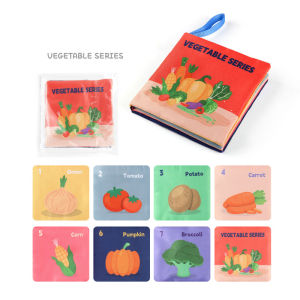
You May Also Like
1Pc Halloween Pirate Hook Plastic Pirate Captain Cosplay Costume Accessories Masquerade Party Decoration Supplies Kid Toys Favor

8010 Single Pole White/Green Pool Cue Black Tech Carbon Cue 1/2 Chinese Black Eight Pool Cue American Nine Ball suit

Black Toweria Hetalia Cosplay Costume Halloween Performance Suit Customizable Male Costume Cute Campus Style Otaku Series
Baby Bath Toy Suction Cup Water Spinner & Pipe Set Shower Faucet Spray Toy for Toddlers Educational Bath Time Fun Sensory Play
Black Bat Man Superman Mech Series Building Blocks: A 10 Years Old Birthday Gift for Boys
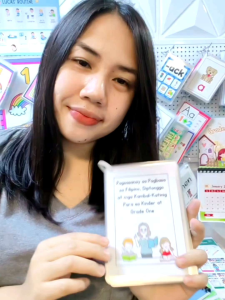
Pagsasanay sa Pagbasa sa Filipino Diptonggo at mga Kambal-Katinig Flashcards Laminated Tagalog Read

Micro Bricks Tralala Shark Figurine Bonecaambalabu Abstraction Action Figurine Model Building Blocks Gifts Kid Assembly Toys

1:24 530Li X5 Diecast Model Toys Alloy Car Sound Light Pull Back Doors Opened Miniature Sportscars for Childrens Christmas Gift
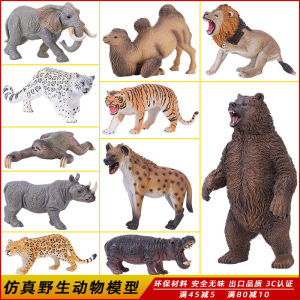
Educational Solid Plastic Animal Models Toy for Kids Realistic Zoo Simulation Brown Bear Elephant Tiger Lion Playset

RC ERA C184 Mini MD500 with Optical Flow Sensor Scale Micro RC Helicopters for Adults Beginner Remote Control Hobby Toys Gift
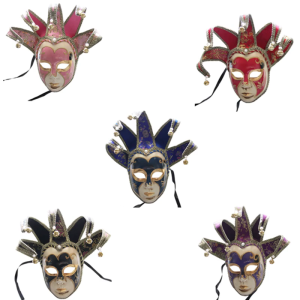
Masquerade Mask With Bells Vintage Jester Mask Comedy Mask for Men Women Masquerade Proms Halloween Cosplay Parties