


Ceramic Painting & Coloring Plaster: A Fun Activity for Kids
Ceramic Painting & Coloring Plaster: A Fun Activity for Kids
Introduction to Ceramic Painting & Coloring Plaster
Ceramic painting and coloring plaster are popular art activities that allow kids to express their creativity while learning about different materials and techniques. These activities are suitable for children of all ages and provide a great opportunity for them to develop fine motor skills, hand-eye coordination, and artistic abilities.
What is Ceramic Painting?
Ceramic painting involves decorating ceramic items such as plates, bowls, and flower pots with acrylic paints specifically designed for ceramics. This process allows kids to create unique, personalized pieces that they can use at home or gift to friends and family.
What is Coloring Plaster?
Coloring plaster is a fun and easy-to-use material that allows kids to mix their own colors and create various patterns on a plaster surface. This activity promotes creativity, imagination, and problem-solving skills while providing a hands-on experience with different textures and colors.
Why Choose Ceramic Painting & Coloring Plaster for Kids?
Ceramic painting and coloring plaster activities offer numerous benefits for kids, including:
- Developing fine motor skills and hand-eye coordination
- Enhancing creativity and artistic abilities
- Promoting problem-solving skills and imagination
- Providing a hands-on experience with different materials and textures
- Encouraging self-expression and personalization
Small Flower Pot for Kids: A Perfect Project
A small flower pot is an excellent project for kids to start with ceramic painting. This activity allows them to create a personalized planter that they can use at home or gift to friends and family.
Choosing the Right Flower Pot
When selecting a flower pot for this project, consider the size, shape, and material. A small, round or square pot made of ceramic or terracotta is ideal for this activity. Ensure the pot is clean and free of any dirt or debris before starting the painting process.
Preparing the Flower Pot for Painting
Before painting the flower pot, make sure it is clean and dry. If the pot is made of terracotta, apply a coat of clear acrylic sealer to prevent the paint from soaking into the porous surface. Allow the sealer to dry completely before proceeding with the painting process.
Decorating the Flower Pot with Ceramic Paint
Using ceramic paints, kids can create unique designs and patterns on their flower pots. Encourage them to use their imagination and creativity to come up with their own designs. Once the paint has dried, apply a clear acrylic sealer to protect the artwork and make it more durable.
Matching Ceramic Art Supplies for Preschool Education Graffiti
To ensure a safe and enjoyable experience for kids, select the right art supplies and set up a safe workspace.
Selecting the Right Art Supplies
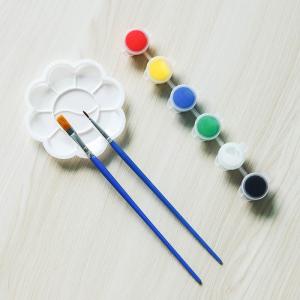
Choose non-toxic, washable ceramic paints and brushes suitable for children. For coloring plaster, opt for non-toxic, washable acrylic paints and mixing tools.
Setting Up a Safe Workspace
Create a designated area for kids to work on their ceramic art projects. Cover the workspace with newspaper or a plastic sheet to protect the surface. Provide aprons or old clothing to protect their clothes from paint stains.
Encouraging Creativity & Learning Through Ceramic Art
Ceramic art activities offer numerous opportunities for kids to develop their creativity and artistic abilities. Encourage them to experiment with different colors, patterns, and techniques. Provide guidance and support when needed, but allow them to make their own decisions and choices.
How to Paint Ceramic Coloring Plaster
Painting ceramic coloring plaster is a fun and easy activity that allows kids to mix their own colors and create various patterns on a plaster surface.
Preparing the Coloring Plaster
Follow the instructions on the packaging to prepare the coloring plaster. Mix the plaster powder with water until it forms a smooth paste. Pour the mixture into a mold or container and allow it to dry completely before painting.
Choosing the Right Colors
Select non-toxic, washable acrylic paints in a variety of colors. Encourage kids to experiment with different color combinations and shades to create unique designs.
Applying the Paint & Creating Patterns
Using brushes or sponges, apply the paint to the plaster surface. Encourage kids to create patterns and designs by using different techniques, such as stamping, stenciling, or freehand drawing.
Conclusion & Next Steps
Ceramic painting and coloring plaster activities offer numerous benefits for kids, including developing fine motor skills, enhancing creativity, and promoting problem-solving skills. Encourage kids to continue learning and exploring new ceramic art projects.
Encouraging Continued Learning & Creativity
Provide opportunities for kids to experiment with different materials, techniques, and styles. Encourage them to share their artwork with others and provide positive feedback and support.
Exploring More Ceramic Art Projects for Kids
Explore other ceramic art projects, such as creating personalized plates, bowls, or vases. Encourage kids to use their imagination and creativity to come up with their own ideas and designs.

TB FMCG SHOP
Review

You May Also Like
12pcs/set Memory Nylon Paint Brushes Set for Acrylic Oil Drawing Watercolor Wooden Painting Brush Tools Art Supplies
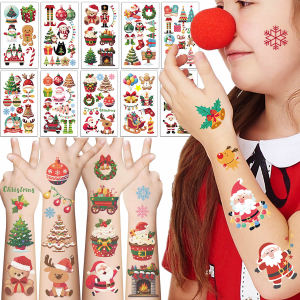
10pcs/pack Cartoon Christmas Tattoo Stickers Kids ChristmasDay Temporary Tattoos Stickers Toy Funny Waterproof Anime Gift Toys
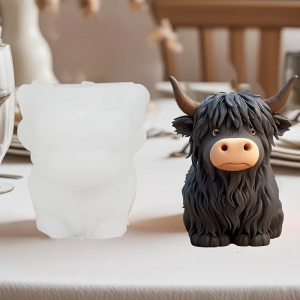
Alpine Cow Candle Mold - Epoxy Resin and Clay Handmade Silicone Mold Richly Detailed Highland Cow Design Black and White Textu
HORIECHALY Scratch and sniff Stickers Smelly Stickers for Kids - 48 Sheets Reward Stinky Stickers Gift for Christmas
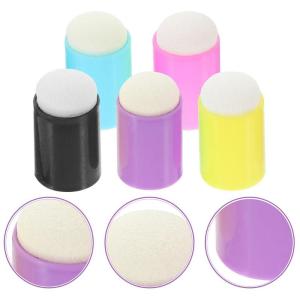
LSHUO 10Pcs Finger Painting Sponge Daubers Sponger Finger Cots For Coloring The Face And Painting Tools Childrens DIY Painting Set
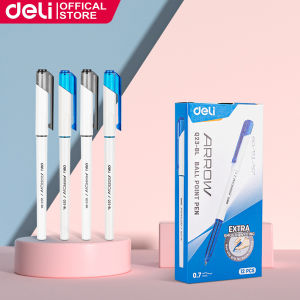
Deli EQ23-BL/ EQ23-BK Ballpen Ballpoint Pen 0.7mm 1Pc
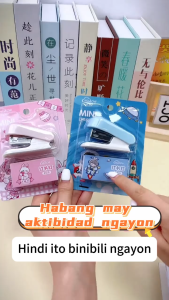
Mini Cute Stapler: A Versatile Choice for Children's School Supplies
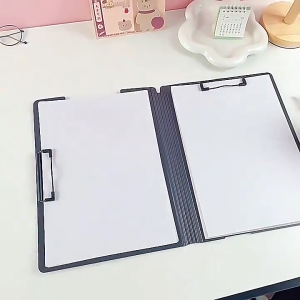
Long/A4 Size Large Clipboard Long With Cover File Folder Organizer Office School Supplies Writing Pad
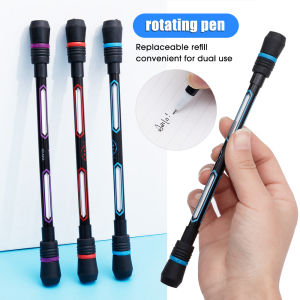
Student Rotating Gel Pen: A Creative & Stress-Reducing Writing Tool
Stress Relief Toy for Adult Hand Squeeze PU Shiba Dog Toy Squeeze Fidgets Pinch Toy Children Office Goodie Bag Fillers
KLICKKRATE Versatile Foldable Folders A4 To A5 Organize Artifacts File Contract Folders Gifts Portable Folding Board Folder