


Shaft Seal 1\\\" Long Spring 25.4mm Water Pump: A Comprehensive Guide to Optimal Performance
Shaft Seal 1\" Long Spring 25.4mm Water Pump: A Comprehensive Guide to Optimal Performance
What is a Shaft Seal for Pumps?
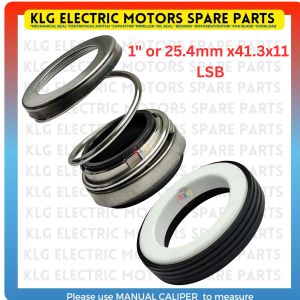
Shaft seals play a critical role in ensuring the efficient operation of water pumps. They are designed to prevent leakage of the fluid being pumped while allowing the pump shaft to rotate freely. In this article, we will focus on the 1 inch shaft seal, which is commonly used in water pumps with a 25.4mm spring.
Understanding the Importance of Shaft Seals
Shaft seals are crucial components in water pumps because they protect the pump's internal parts from damage caused by fluid leakage. They also help maintain the efficiency of the pump by minimizing energy loss due to leaks. Without a properly functioning shaft seal, the pump may experience reduced performance and increased maintenance costs.
Common Applications of Shaft Seals in Water Pumps
Shaft seals are widely used in various types of water pumps, including submersible pumps, well pumps, and industrial pumps. They are also used in other applications where fluid leakage needs to be prevented, such as in compressors, mixers, and agitators.
How to Choose the Right 1 Inch Shaft Seal
Selecting the right shaft seal for your water pump is essential for optimal performance and longevity. Here are some key features to consider when choosing a 1 inch shaft seal.
Key Features to Consider When Selecting a 1 Inch Shaft Seal
- Material: The material used in the shaft seal should be compatible with the fluid being pumped and able to withstand the operating conditions.
- Size: The shaft seal must fit properly on the pump shaft to prevent leaks. A 1 inch shaft seal is suitable for pumps with a 25.4mm spring.
- Sealing mechanism: Different types of shaft seals use various sealing mechanisms, such as mechanical seals, lip seals, and packing seals. Each type has its advantages and disadvantages, so choose the one that best suits your application.
Comparing Different Types of Shaft Seals
- Mechanical seals: These seals consist of two mating faces that rotate against each other, creating a tight seal. They are suitable for high-pressure applications and can handle a wide range of fluids.
- Lip seals: These seals use a flexible rubber lip to create a seal around the pump shaft. They are simple and cost-effective but may not be suitable for high-pressure applications.
- Packing seals: These seals use a series of rings made of soft materials, such as graphite or rubber, to create a seal around the pump shaft. They are easy to install and replace but may require frequent maintenance.
Installing a 1 Inch Shaft Seal: Step-by-Step Guide
Installing a 1 inch shaft seal requires careful attention to detail to ensure proper functioning. Here is a step-by-step guide to help you install the shaft seal correctly.
Preparing for Installation
Before installing the shaft seal, make sure to clean the pump shaft and housing thoroughly. Remove any debris or old seal material that could interfere with the installation process.
Installing the 1 Inch Shaft Seal
- Install the stationary ring onto the pump housing.
- Install the rotating ring onto the pump shaft.
- Install the spring onto the rotating ring.
- Install the O-ring onto the rotating ring.
- Slide the rotating assembly onto the pump shaft.
- Tighten the gland nut to secure the shaft seal.
Troubleshooting Common Installation Issues
- Leaks: If there are leaks after installation, check that the shaft seal is properly seated and tightened. Also, make sure that the pump shaft and housing are clean and free of debris.
- Misalignment: If the shaft seal is misaligned, it may cause excessive wear and tear. Check that the pump shaft and housing are aligned correctly before installing the shaft seal.
Maintaining Your 1 Inch Shaft Seal for Optimal Performance
Regular maintenance is essential to ensure the longevity and efficiency of your shaft seal. Here are some tips to help you maintain your 1 inch shaft seal.
Regular Maintenance Tips
- Inspect the shaft seal regularly for signs of wear and tear.
- Clean the pump shaft and housing regularly to prevent debris buildup.
- Replace the shaft seal if it shows signs of damage or excessive wear.
Identifying Signs of Wear and Tear
- Leaks: If there are leaks around the pump shaft, it may be a sign that the shaft seal is worn out or damaged.
- Excessive vibration: If the pump experiences excessive vibration, it could be due to misalignment or wear and tear on the shaft seal.
- Reduced performance: If the pump's performance has decreased, it could be due to a faulty shaft seal.
Replacing a Damaged 1 Inch Shaft Seal
If your shaft seal shows signs of damage or excessive wear, it should be replaced immediately to prevent further damage to the pump. Follow the installation steps outlined above to install a new shaft seal.
In conclusion, a 1 inch shaft seal is a critical component in water pumps that helps maintain their efficiency and longevity. By choosing the right shaft seal, installing it correctly, and performing regular maintenance, you can ensure optimal performance and reduce maintenance costs." }

KLG ELECTRIC MOTOR SPARE PARTS AND MERCHANDISE INC
Review

You May Also Like
WEMON 936 Soldering Iron 90W Intelligent Digital Display Portable 120~550℃ Adjustable 900M Series Tips Welding tools Kit
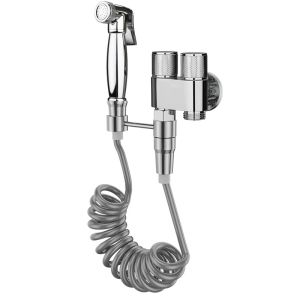
Bathroom Organizing & Home Cleaning: Brass Toilet Spray & Washer Set
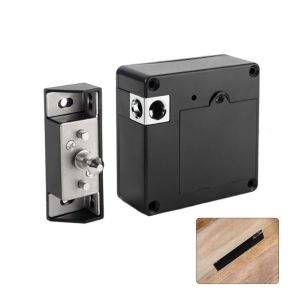
LITUILI Electronic Smart Drawer Lock IC card Invisible Hidde RFID smart lock DIY Easy To Install Hidden Cabinet Lock Home
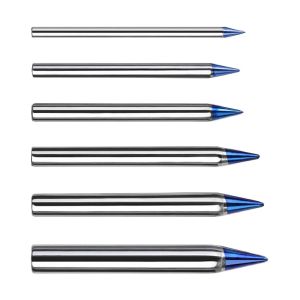
30-100W Soldering Iron Tips Set Welding Tool External Heated Solder Heads Welding Tip Tool Lead-Free Electric Solder Irons Bit
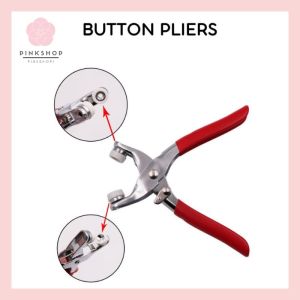
Snap Button Pliers & Fastener Press Tool: A Comprehensive Guide
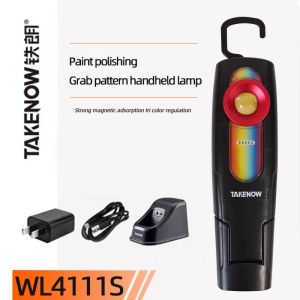
TAKENOW Work Light WL4111S Car Repair Light Paint-polished Beauty Hand-held Capture Light
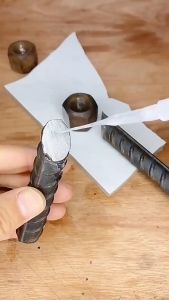
35G grams Oily Glue Original Glue Universal Adhesive Strong Viscosity Instant Adhesive liquid Glue All-purpose Waterproof Super Glue Fast Repairing and Curing For Metals Plastics Ceramic Glass Wood Shoes Vase Etc
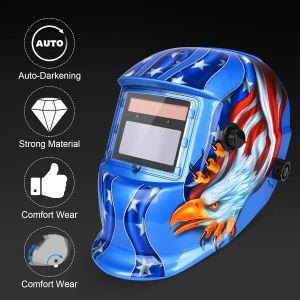
Professional Welding Helmet: TIG MIG MMA Welding Mask & True Color Welder Cap
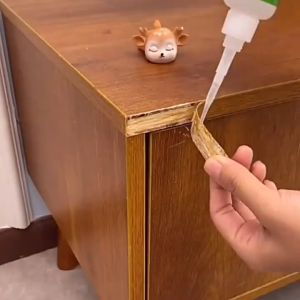
Welding High-Strength Oily Glue Oily Glue 50g Multifunctional Super Glue Universal Adhesive Glue Strong Glue 502 glue Repair Glue for Plastic Rubber Glass Ceramics Metal Wood handicrafts Leather Shoes Instant Adhesive Fast Repairing
Ecoco Toilet Bowl Seat Cover Cushion Soft Washable Toilet Seat Cover High Flexibility Bathroom Accessories Elongated Toilet Seat Covers - Lazada
Removable Wall Stickers 10pcs | Home & Office Decor | Waterproof Peel & Stick Decals for Bathroom Kitchen Ceiling