


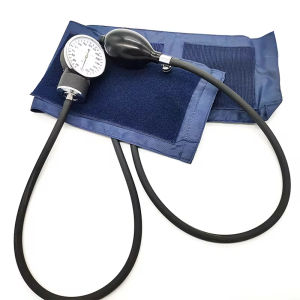
How to Choose & Use a Manual Blood Pressure Monitor
How to Choose & Use a Manual Blood Pressure Monitor
Manual blood pressure monitors, also known as sphygmomanometers, are essential tools for measuring blood pressure at home or in medical settings. This guide will walk you through the key features, types, specifications, and usage of manual blood pressure monitors, including diastolic sphygmomanometers, home blood pressure cuffs, and medical doctor stethoscopes.
What is a Manual Blood Pressure Monitor?
A manual blood pressure monitor is a device used to measure the pressure exerted by blood against the walls of arteries. It consists of an inflatable cuff, a measuring unit (such as a mercury or aneroid gauge), and a stethoscope.
Key Features of a Manual Blood Pressure Monitor
When choosing a manual blood pressure monitor, consider the following features:
- Accuracy: Look for a monitor with a calibration certificate and a history of reliable performance.
- Ease of use: Choose a monitor with clear instructions and a simple interface.
- Durability: Opt for a monitor made from high-quality materials that can withstand regular use.
Types of Manual Blood Pressure Monitors
There are two main types of manual blood pressure monitors:
- Mercury sphygmomanometers: These use a column of mercury to measure blood pressure. They are considered the gold standard for accuracy but require proper handling and disposal due to environmental concerns.
- Aneroid sphygmomanometers: These use a mechanical gauge to measure blood pressure. They are more portable and environmentally friendly than mercury monitors but may require regular calibration.
Diastolic Sphygmomanometer Specifications
Diastolic sphygmomanometers are designed specifically for measuring diastolic blood pressure, which is the pressure in the arteries when the heart is at rest between beats.
Diastolic Blood Pressure Measurement Techniques
To accurately measure diastolic blood pressure, follow these steps:
- Position the patient comfortably with their arm supported at heart level.
- Place the cuff around the upper arm, ensuring it is snug but not too tight.
- Inflate the cuff until the brachial artery is completely occluded.
- Slowly deflate the cuff while listening for Korotkoff sounds using a stethoscope.
- Record the diastolic blood pressure reading when the Korotkoff sounds disappear.
Factors Affecting Diastolic Blood Pressure Readings
Several factors can affect diastolic blood pressure readings, including:
- Patient position: Sitting or standing can affect blood pressure readings.
- Cuff size: Using a cuff that is too small or too large can lead to inaccurate readings.
- Arm position: Keeping the arm at heart level during measurement is essential for accurate readings.
Home Blood Pressure Cuff Usage
Using a home blood pressure cuff can help monitor blood pressure trends over time and identify potential health issues.
Proper Cuff Placement & Inflation
To ensure accurate readings, follow these steps:
- Position the patient comfortably with their arm supported at heart level.
- Place the cuff around the upper arm, ensuring it is snug but not too tight.
- Inflate the cuff until the brachial artery is completely occluded.
- Slowly deflate the cuff while listening for Korotkoff sounds using a stethoscope.
- Record the blood pressure reading.
How to Interpret Home Blood Pressure Readings
Blood pressure readings consist of two numbers: systolic pressure (the top number) and diastolic pressure (the bottom number). Normal blood pressure is less than 120/80 mmHg. Elevated blood pressure is between 120-129/80-89 mmHg, and hypertension is 130/90 mmHg or higher.
Medical Doctor Stethoscope Considerations
A stethoscope is an essential tool for measuring blood pressure using a manual sphygmomanometer.
Choosing the Right Stethoscope for Blood Pressure Monitoring
When choosing a stethoscope for blood pressure monitoring, consider the following factors:
- Sound quality: Look for a stethoscope with clear, crisp sound transmission.
- Durability: Choose a stethoscope made from high-quality materials that can withstand regular use.
- Comfort: Opt for a stethoscope with a comfortable design that minimizes fatigue during extended use.
Best Practices for Using a Stethoscope with a Manual Blood Pressure Monitor
To ensure accurate blood pressure measurements, follow these best practices:
- Proper placement: Place the stethoscope bell over the brachial artery, just below the cuff.
- Consistent technique: Use the same technique for each measurement to ensure consistency.
- Regular maintenance: Clean and inspect the stethoscope regularly to ensure optimal performance.
By following these guidelines, you can choose and use a manual blood pressure monitor effectively to monitor your blood pressure and maintain good health.

GlobalTechMart
Review

You May Also Like

50pcs Non-woven Large Adhesive Wound Dressing Breathable Waterproof First Aid Bandage for Wound Care
20g Bee Venom Joint Ointment Original Therapy Cream Joint Pain Care Gel for Joint Relief
5 Grid Data Cable Storage Box Multifunctional Large-capacity Charger Cable Cord Organizer Dust-proof Data Cable Storage Box Stationery Container Charger Wire Earphone Case Electronics Accessories Organizer Box
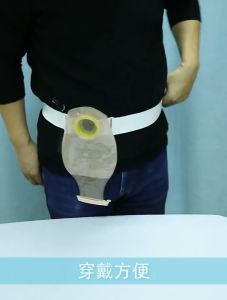
5 3 pieces Colostomy bag belt type Safe than Adhesive type size 40 45 55mm

BEWORTHS Turmeric Curcumin Capsules with BioPerine: A High-Potency Joint Support Supplement
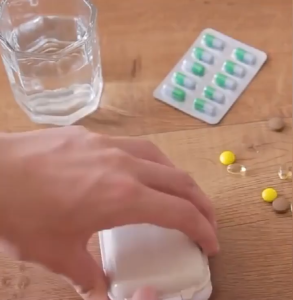
8 Grids Pill Box Medicine Organizer Tablet Storage Box Travel Pill Dispensing Pill Box - 1PC
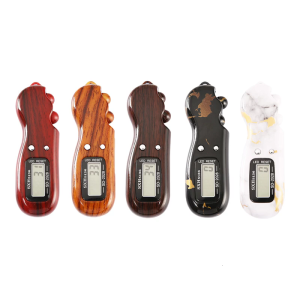
Efficient Counting Gadget Digital Counter With High Precise Quiet Operation And Time Display Fit for Spiritual Daily Use

Household weight scale human body scale electronic scale electronic weighing scale

120Pcs Cartoon Printed Waterproof Breathable Cute Band Aid Adhesive Bandages First Aid Home Outdoor Accessory

💥Best Sold💥Beet Root Powder Capsules Supports Cardiovascular Boosts Immunity Supports Detoxification High Potency Herbal Extract Supplement Nitric Oxide Booster Beetroot Capsules For Natural Energy Endurance Support

10PCS Rechargeable Medical Oximeter Strap Lanyard Fingertip Pulse Oximeter Blood Oxygen Saturation Monitor Digital LED Display