



Lightweight Baby Carrier with Hip Seat: A Comprehensive Guide
Lightweight Baby Carrier with Hip Seat: A Comprehensive Guide
A baby carrier with a hip seat is a versatile and ergonomic solution for parents who want to keep their little ones close and comfortable while on the go. This article will provide a comprehensive guide to choosing, using, maintaining, and caring for a lightweight baby carrier with a hip seat, specifically designed for newborns up to 36 months old.
What is a Baby Carrier with Hip Seat?
A baby carrier with a hip seat is a type of wearable baby carrier that features a specially designed seat with a wide base and a gentle incline. This design promotes proper hip development by allowing the baby's legs to spread naturally, mimicking the natural position they would assume if held in arms. The hip seat also provides excellent support for the baby's back, neck, and head, ensuring they remain comfortable and safe during wear.
Key Features & Benefits
Baby carriers with hip seats offer several advantages over traditional carriers:
- Ergonomic Design: Promotes proper hip development and supports the baby's back, neck, and head.
- Comfort: Keeps the baby close and secure, allowing for easy movement and bonding.
- Convenience: Lightweight and easy to wear, making it perfect for everyday use.
- Durability: Built to last, with sturdy materials and construction.
Types of Baby Carriers with Hip Seats
There are various types of baby carriers with hip seats available on the market, including:
- Soft Structured Carriers (SSCs): Made of fabric with adjustable straps and buckles, offering a customizable fit.
- Ring Slings: Consist of a long piece of fabric with rings at one end, allowing for quick adjustments and easy use.
- Wrap Carriers: Wide, soft fabrics that wrap around the wearer's body, providing a secure and comfortable hold.
How to Choose the Right Baby Carrier for Your Needs
Selecting the perfect lightweight baby carrier with a hip seat requires careful consideration of several factors:
Considering Your Baby's Age & Weight
Ensure the carrier is appropriate for your baby's age and weight. Most carriers are designed for newborns up to 36 months old, with specific weight limits. Always check the manufacturer's guidelines before purchasing.
Assessing Comfort & Support
Look for a carrier that offers proper support for both the baby and the wearer. A well-designed hip seat will distribute the baby's weight evenly, reducing strain on the wearer's back and shoulders.
Evaluating Durability & Ease of Use
Choose a carrier made from durable materials that can withstand regular use. Additionally, consider carriers with easy-to-use features, such as quick-release buckles and adjustable straps, for convenience.
How to Use a Baby Carrier with Hip Seat Safely & Effectively
Proper use of a baby carrier with a hip seat is essential for ensuring the safety and comfort of both the baby and the wearer.
Proper Fitting Techniques
- Adjust the carrier's straps and buckles to fit snugly around your body, ensuring the baby is securely held.
- Position the baby's legs in a natural, spread-squat position, with their knees higher than their hips.
- Make sure the baby's head and neck are supported, with their chin slightly off their chest.
Adjusting the Carrier for Optimal Comfort
- Periodically check the baby's position and adjust the carrier as needed to maintain proper support and comfort.
- Take breaks every hour or so to allow the baby to stretch and move around.
Maintaining Safety While Wearing Your Baby
- Always supervise the baby while wearing them in the carrier.
- Avoid carrying the baby in the carrier while sleeping or drowsy.
- Never leave the baby unattended in the carrier.
Maintaining & Caring for Your Baby Carrier
Proper maintenance and care of your baby carrier with a hip seat will help extend its lifespan and ensure continued safety and comfort.
Cleaning & Storage Tips
- Follow the manufacturer's guidelines for cleaning and drying the carrier.
- Store the carrier in a cool, dry place away from direct sunlight.
Troubleshooting Common Issues
- If the carrier becomes loose or uncomfortable, adjust the straps and buckles to ensure a secure fit.
- If the carrier shows signs of wear or damage, discontinue use and replace it as needed.
Extending the Lifespan of Your Baby Carrier
- Regularly inspect the carrier for signs of wear or damage.
- Clean and store the carrier properly to prevent deterioration.
Conclusion: Finding the Perfect Lightweight Baby Carrier for Your Family
A lightweight baby carrier with a hip seat is an excellent choice for parents who want to keep their little ones close and comfortable while on the go. By considering factors such as age, weight, comfort, durability, and ease of use, you can find the perfect carrier to meet your family's needs. Remember to always use the carrier safely and effectively, and take proper care of it to ensure it lasts for years to come.

Mamobabe Store
You May Also Like

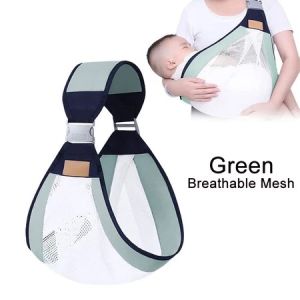
Baby Carrier Sling Nursing Sling Bag Child Baby Holder Travel Family Feeding Stable Light
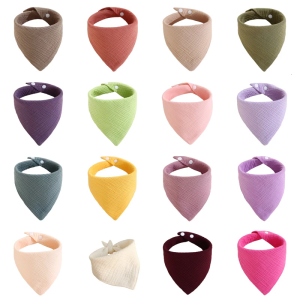
4-layer Bib for Newborns Drooling Bib Cotton Triangular Burp Cloth Soft Infants Nursing Bib Baby Feeding Towel

KW 2in1 Traveling Portable Cover Straw Childrens Straw Bottle Cap
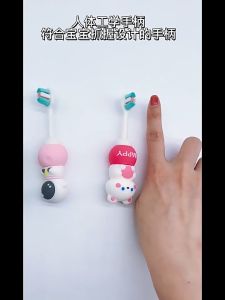
0-5years old Toothbrush Brush for kids with Case Little Dinosaur Teeth Care Ten Thousand Soft Hairs Toddler Oral Care Toothbrush
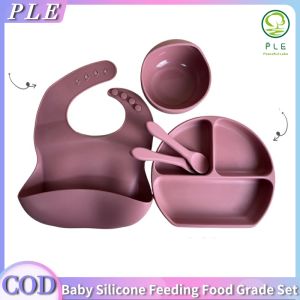
Premium Baby Toddler Utensils: 5PCS Silicone Suction Plate & Accessories

KII 5 In 1 Baby Bottle Steam Sterilizer And Dryer Large Capacity Milk Warmer with Auto Shut Off

Lampein Baby Diaper Jumbo Pack Extra Large 48s

Baby Cupboard Safety Lock For Refrigerator Door Drawer Multi-function Safe Locks
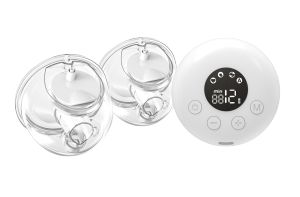
S15 Plus 2 in 1 Dual & Wearable Breastpump: A Comprehensive Guide

Pepersog Breathable Pull-Up Pants Diaper Baby Set: Size M L XL XXL XXXL

AIKERRSU Baby Diaper Pants Diaper 50pcs Free Shipping Korean Diaper 50 Pcs Baby Disposable Diapers Pants 50 pcs Sale Generic Diaper For Baby Japanese diapers