


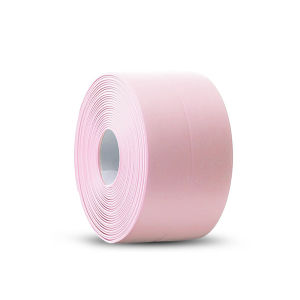
3.2M Self-adhesive Sealing Tape: A Comprehensive Guide
3.2M Self-adhesive Sealing Tape: A Comprehensive Guide
What is Self-adhesive Sealing Tape?
Self-adhesive sealing tape, also known as waterproof wall tape, kitchen sink edge sticker, and PVC oil-proof caulk tape, is a versatile product designed to provide enhanced water resistance and protection in various applications. It is commonly used in bathrooms, kitchens, and other areas prone to moisture.
Key Features of Self-adhesive Sealing Tape
- Easy installation and removal
- Long-lasting adhesive
- UV-resistant
- Water-resistant
- Heat-resistant
- Oil-proof
Applications of Self-adhesive Sealing Tape
Self-adhesive sealing tape has a wide range of applications, including:
- Sealing gaps around kitchen sinks and countertops
- Preventing water leakage in bathrooms and toilets
- Protecting walls and corners from water damage
- Sealing gaps around windows and doors
How to Choose the Right Self-adhesive Sealing Tape
When selecting self-adhesive sealing tape, consider the following factors:
- Material: PVC oil-proof caulk tape is ideal for waterproofing and oil-resistant applications.
- Adhesive strength: Choose a tape with strong adhesive properties to ensure long-lasting protection.
- UV resistance: Opt for a tape that can withstand prolonged exposure to sunlight.
- Water resistance: Ensure the tape can effectively prevent water infiltration.
- Heat resistance: Select a tape that can withstand high temperatures without losing its adhesive properties.
Waterproof Wall Tape vs. Kitchen Sink Edge Sticker
Waterproof wall tape and kitchen sink edge stickers serve similar purposes, but they differ in terms of application areas and materials. While waterproof wall tape is more suitable for sealing gaps around walls and corners, kitchen sink edge stickers are specifically designed for sealing gaps around kitchen sinks and countertops.
How to Install Self-adhesive Sealing Tape
Installing self-adhesive sealing tape is a straightforward process. Follow these steps to ensure optimal performance:
Preparing the Surface Before Installation
- Clean the surface thoroughly, removing any dirt, dust, or debris.
- Allow the surface to dry completely before applying the tape.
Step-by-step Guide to Installing Self-adhesive Sealing Tape
- Measure the area where the tape will be applied.
- Cut the tape to the desired length.
- Peel off the protective backing from the tape.
- Press the tape firmly onto the surface, starting from one end and working your way to the other.
- Smooth out any air bubbles or wrinkles.
Benefits of Using Self-adhesive Sealing Tape
Self-adhesive sealing tape offers numerous benefits, including:
Enhanced Water Resistance and Protection
Self-adhesive sealing tape provides excellent water resistance, preventing water infiltration and protecting surfaces from damage.
Easy Installation and Maintenance
Self-adhesive sealing tape is easy to install and maintain, making it a convenient choice for DIY projects and professional applications.
Troubleshooting Common Issues with Self-adhesive Sealing Tape
Common Problems and Solutions
- Air bubbles: Smooth out air bubbles by pressing the tape firmly onto the surface.
- Adhesive failure: Ensure the surface is clean and dry before applying the tape.
- Peeling: Apply additional pressure to the tape or use a stronger adhesive.
Tips for Maximizing the Life of Self-adhesive Sealing Tape
- Keep the surface clean and dry.
- Avoid exposing the tape to extreme temperatures.
- Inspect the tape regularly for signs of wear and tear.
By following these guidelines, you can choose the right self-adhesive sealing tape for your needs and enjoy its numerous benefits for years to come.

GlobalTechMart
Review
You May Also Like
124-149UF 125VAC STARTING CAPACITOR BMI
50PCS 3D Face-lifting Mask: A Comprehensive Guide
5 In 1 Caulk Remover Tools Kit Grout Removal Tool Sealant Finishing Tool Glue Angle Scraper Tool For Window And Sink Renovations
400-480 uF 110V / 125VAC MOTOR STARTING CAPACITOR - Made in USA
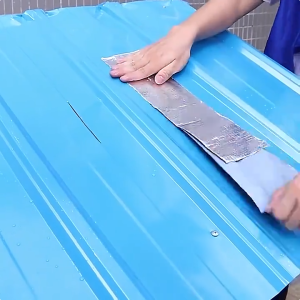
Waterproof Tape For roof leak Roof Sealant Wall Crack Pandikit Sa Bubong Tape
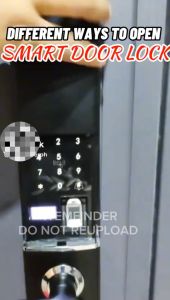
TUYA Smart Door Lock: A Secure & Convenient Home Access Solution
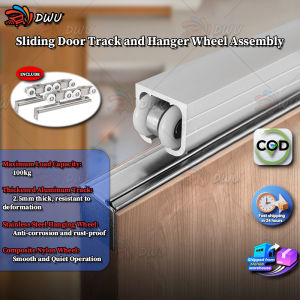
Sliding Door Roller (Nylon/Steel) Set 80 to 100kg With 2 Meter Track And Pulley Suit
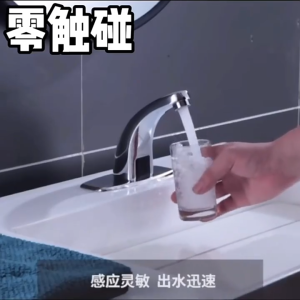
⭐️【Local warehouse+COD】⭐Angle Adjustable Faucet Kitchen Blender Automatic Infrared Sink Water Tap Mount Touch Sensor Deck Inductive Bidet Torneira
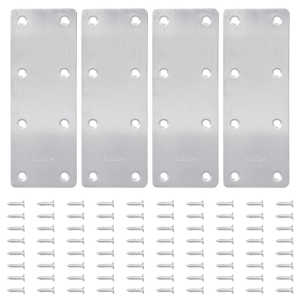
4Pcs Flat Mending Plate With Screws Stainless Steel Fixed Angles Support Brackets Connectors Metal Straight Brace

1PCS 50MM Extended Long Nose Padlock Long Beam Household Bedroom Waterproof Lock Cabinet Door
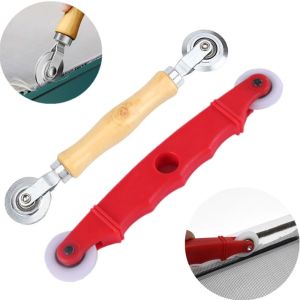
USEFUL TOOL Durable Screen Door For Double Window Wheels Household Gauze Wheel Spline Roller Rolling Tool Window Install Tool