


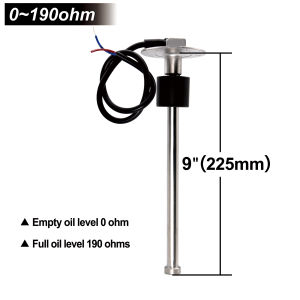
0-190 ohms Fuel Level Sensor/Water Level Stainless Steel A5 Sensor For Auto Car Boat Water Tank Level Indicator Fuel Level Gauge
0-190 ohms Fuel Level Sensor/Water Level Stainless Steel A5 Sensor For Auto Car Boat Water Tank Level Indicator Fuel Level Gauge
Introduction to Fuel Level Sensors
Fuel level sensors are essential components used to monitor the fuel levels in various vehicles, such as cars, boats, and other machinery. These sensors provide accurate readings, allowing users to manage fuel consumption efficiently. This article focuses on the 0-190 ohms fuel level sensor, a high-quality stainless steel A5 sensor designed for water level monitoring devices, water level sensors for cars, and auto boat water tank level indicators.
What is a Fuel Level Sensor?
A fuel level sensor is a device that measures the fuel level in a tank by converting the liquid level into an electrical signal. This signal is then transmitted to a gauge or display unit, allowing users to monitor the remaining fuel quantity accurately. Fuel level sensors are crucial for ensuring optimal performance and preventing potential issues related to fuel shortages.
Types of Fuel Level Sensors
There are two primary types of fuel level sensors: float-type sensors and resistive sensors. Float-type sensors rely on a float mechanism to measure fuel levels, while resistive sensors utilize a variable resistor to determine the liquid level. The 0-190 ohms fuel level sensor falls under the resistive category, offering enhanced accuracy and reliability.
Benefits of Using a Stainless Steel Fuel Level Sensor
The stainless steel A5 sensor offers several advantages over other types of fuel level sensors, making it a popular choice among users.
Enhanced Durability & Longevity
Stainless steel construction ensures the sensor can withstand harsh environmental conditions, including exposure to water, chemicals, and extreme temperatures. This results in a longer lifespan and reduced maintenance costs.
Improved Accuracy & Reliability
The 0-190 ohms fuel level sensor provides precise readings, allowing users to monitor fuel levels accurately. Its resistive design ensures consistent performance, even in challenging environments.
Cost-Effective Solution
Investing in a stainless steel fuel level sensor offers long-term cost savings due to its durability and low maintenance requirements. This makes it an excellent value proposition for car owners, boat enthusiasts, and industrial applications.
Applications of Fuel Level Sensors
Fuel level sensors have numerous applications across different industries and sectors. Some common examples include:
Water Level Monitoring Device
Water level monitoring devices are essential for managing water tanks and reservoirs. The 0-190 ohms fuel level sensor can be used to monitor water levels accurately, ensuring optimal water management.
Water Level Sensor for Cars
Modern vehicles often feature built-in water level sensors to monitor fuel levels. The stainless steel A5 sensor is an ideal choice for car owners who want to upgrade their existing fuel level monitoring system or replace a faulty sensor.
Auto Boat Water Tank Level Indicator
Boats require reliable water tank level indicators to ensure safe operation. The 0-190 ohms fuel level sensor can be used as a water tank level indicator, providing accurate readings and helping boaters manage their water supply effectively.
Installation & Usage of Fuel Level Sensors
Installing and using a fuel level sensor is a straightforward process, requiring minimal technical expertise. Here are some essential steps to follow:
How to Install a Fuel Level Sensor
- Locate the fuel tank and identify the appropriate installation point for the sensor.
- Disconnect any existing fuel level sensor, if applicable.
- Insert the stainless steel A5 sensor into the designated location, ensuring it is securely fastened.
- Connect the sensor to the gauge or display unit, following the manufacturer's instructions.
How to Calibrate a Fuel Level Sensor
Calibrating a fuel level sensor ensures accurate readings and optimal performance. Follow these steps to calibrate the sensor:
- Fill the fuel tank to its maximum capacity.
- Adjust the sensor's calibration settings according to the manufacturer's guidelines.
- Monitor the sensor's readings while draining the fuel tank.
- Make any necessary adjustments to ensure accurate measurements throughout the entire fuel range.
Troubleshooting Common Issues
If you encounter issues with your fuel level sensor, try these troubleshooting tips:
- Check the sensor's connections and ensure they are secure.
- Verify that the sensor is properly calibrated.
- Inspect the sensor for any visible damage or wear.
- Consult the manufacturer's support resources for further assistance.
By following these guidelines, users can effectively install, calibrate, and maintain their 0-190 ohms fuel level sensor, ensuring optimal performance and accurate fuel level monitoring.

Global Merch Park
You May Also Like
![[COD] folp Squeegee Tire Tools Tire Repair Professional Tools Pry Sticks Pry Sticks For Car And Motorcycle](https://img.lazcdn.com/g/p/24fd6155082f2ad71bda6c1a3457e9c7.jpg_300x300q80.jpg)
[COD] folp Squeegee Tire Tools Tire Repair Professional Tools Pry Sticks Pry Sticks For Car And Motorcycle
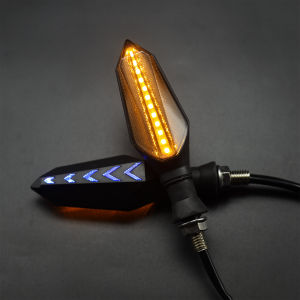
2Pcs Universal Motorcycle LED Turn Signal Light Amber Lamp Indicator Blinker Flashing Light
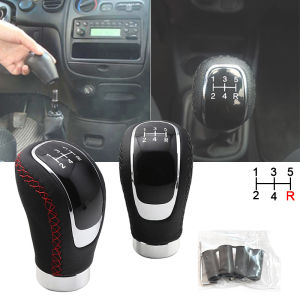
5Speed Leather Red Gear Knob Car Gear Shift Knob Universal Shifter Knob Gear Stick Shift Knob Lever Manual Transmission
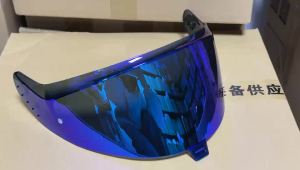
Helmet Visors for Shark Skwal i3 & D-Skwal 3: A Comprehensive Guide
TMX125 / TMX155 Front Shock Upgrade | Unstoppable Performance | Matibay & Smoother Ride | Sunricing
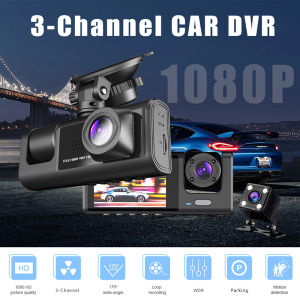
1080P HD Dash Camera: A Comprehensive Guide to Your Car's Security
GEELY EMGRAND ENGINE UNDERCOVER / Engine GUARD GEELY EMGRAND Fit to all variant 2022-2024
🌧️Not a drop of rain🌧️ Acid rain remover 300ml for car acid rain and watermarks remover with Free Microfiber Safe for Car Body Paint and Glass acid rain and watermarks remover for car windshield Windshield Cleaner Lasts 200 days Anti fog spray

Mitsubishi Emblem For Car Steering Wheel Replacement Sticker Fit Mitsubishi Lancer Pajero L200 ASX

SEAMETAL Luminous Car Spot Marking Stickers: A Comprehensive Guide
15V car jump starter four in one portable with air pump car emergency starter mobile power supply high-power car inflator car power assist device LED lighting