



Human Body Structure Description Book: A Comprehensive Guide
Human Body Structure Description Book: A Comprehensive Guide
Introduction to Human Body Structure Description Book
Overview of the Series
The Human Body Structure Description Book is part of the Human Body Structure Tracing Series, which provides comprehensive resources for learning human anatomy through sketching. This series offers a variety of materials, including dynamic practice, disassembly practice, Q version animation, Q version antique style, and game animation.
Understanding the Purpose
The primary purpose of this book is to serve as a guide for individuals interested in understanding and mastering the art of anatomical sketching. It caters to a wide range of skill levels, from beginners to advanced artists, and covers various styles and techniques to help users develop their skills effectively.
Key Features & Specifications
- Material: Sketchbook
- Purpose: Human Body Structure Description Book
- Specifications: Dynamic Practice, Disassembly Practice, Q Version Animation, Q Version Antique Style, Game Animation
- Cross-Border Export: Not exclusively available
- Main Sales Areas: Domestic
- Import: No
- IP Authorization: No
How to Get Started with Human Body Structure Description Book
Choosing the Right Sketchbook
Selecting the appropriate sketchbook is crucial for your artistic journey. Look for a high-quality sketchbook with sturdy pages and a comfortable size that allows for easy handling during your drawing sessions.
Setting Up Your Workspace
Creating a conducive workspace is essential for maximizing your learning experience. Find a quiet, well-lit area where you can focus on your sketches without distractions. Additionally, ensure you have all the necessary tools, such as pencils, erasers, and sharpeners, within reach.
Basic Techniques & Tips
To get started, familiarize yourself with fundamental sketching techniques, such as shading, hatching, and cross-hatching. Practice these techniques regularly to improve your skills and build confidence in your abilities.
Exploring the Different Styles & Techniques
Dynamic Sketch Practice
Dynamic sketching involves capturing movement and action in your drawings. This technique requires a keen eye for detail and the ability to quickly capture the essence of motion. Practice by observing and sketching moving subjects, such as people or animals, to enhance your dynamic sketching skills.
Disassembly Practice
Disassembly practice entails breaking down complex structures into simpler components. This technique helps you understand the underlying anatomy of the human body and enables you to create more accurate and realistic sketches. Begin by studying basic anatomical structures and gradually progress to more intricate details.
Q Version Animation & Antique Style
Q version animation refers to the creation of simplified, cartoon-like characters that are often used in animation. This style emphasizes exaggerated features and expressive movements. In contrast, antique style focuses on recreating the aesthetics of historical art, incorporating elements such as intricate patterns and muted color palettes.
Game Animation
Game animation involves creating animated characters and environments for video games. This style requires a strong understanding of both character design and storytelling, as well as the ability to work within the constraints of digital media. Practice by experimenting with different game animation techniques and exploring various game genres.
Maximizing Your Learning Experience
Utilizing the Getting Started Tutorial
Take advantage of the Getting Started Tutorial included in the Human Body Structure Description Book. This tutorial provides valuable insights into the basics of anatomical sketching and serves as a foundation for your artistic journey.
Practicing Regularly
Consistent practice is key to improving your skills. Set aside dedicated time each day or week to work on your sketches, and challenge yourself to try new techniques and styles.
Seeking Feedback & Improvement
Share your work with fellow artists or instructors to receive constructive feedback and suggestions for improvement. Embrace criticism and use it as an opportunity to grow and refine your skills.

oi4419

Review

You May Also Like
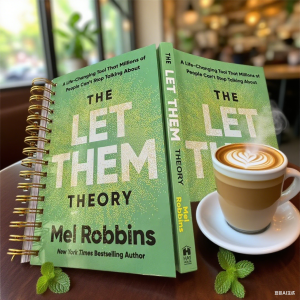
Let Them Theory Book Mel Robbins Millions Of People Discuss Life Changing Tools Self Management Books Strengthen Psychology

RGB Voice-Activated Music Light for Car Desktop & Gaming Room Setup

Hifi Tube Audios Preamplifier 6K4 Vacuum Tube Amplifiers Buffers Adjustment Audios Tube Preamp Stereoes Receiver EU Plug

PCBS A Cat & Dog (Look at the Cross) Seeing Christs Death Through New Eyes by Bob Sjogren & Kevin Kimbrough

SIETE ARKANGELES - AKLAT NG DIGMAANG ESPIRITUAL

Horrid High: Back to School

Japanese Treasure Signs & Symbols: Yamashita Code Decoded | Official 49+ Pages Hard Copy Guide

The Secret of Secrets l English l William Ubagan l Pocketbook l Paperback l Spiritual Novel
What Do School Secretaries Do?

Universal Guitar Tuning Clamp: A Quick Change Capo Clip for Acoustics & Electric Guitars

How to Use DJ Event Lighting & Spark Machines