


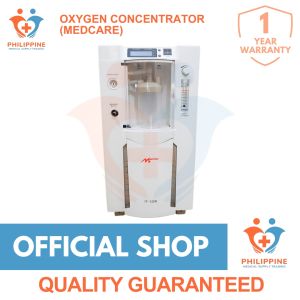
Portable Oxygen Concentrator: A Guide to MedCare 5 Liters
Portable Oxygen Concentrator: A Guide to MedCare 5 Liters
Understanding Oxygen Concentrators
What is a Portable Oxygen Concentrator?
A portable oxygen concentrator (POC) is a medical device designed to provide supplemental oxygen to individuals with respiratory conditions such as chronic obstructive pulmonary disease (COPD), emphysema, and other lung disorders. POCs are battery-powered and lightweight, allowing patients to maintain an active lifestyle while receiving continuous oxygen therapy.
What is a Medical Oxygen Concentrator?
Medical oxygen concentrators are stationary devices used in hospitals, clinics, and at home to deliver medical-grade oxygen to patients with respiratory conditions. They work by filtering ambient air and concentrating the oxygen, which is then delivered to the patient through a nasal cannula or mask.
What is Home Oxygen Therapy?
Home oxygen therapy is a treatment that delivers supplemental oxygen to individuals with chronic lung conditions, improving their quality of life and enabling them to live independently. Home oxygen therapy can be administered using either a stationary medical oxygen concentrator or a portable oxygen concentrator, depending on the patient's mobility and oxygen requirements.
Choosing the Right Oxygen Concentrator
How to Select a Continuous Oxygen Supply Device
When selecting a portable oxygen concentrator, consider factors such as battery life, oxygen output, noise level, and portability. Ensure the device meets your specific needs and provides a continuous supply of oxygen at the prescribed flow rate.
What to Consider When Buying a 5-Liter Oxygen Concentrator
When purchasing a 5-liter oxygen concentrator, consider the device's weight, battery life, and noise level. Additionally, ensure the concentrator has the necessary features, such as pulse dose delivery, which can extend battery life and provide oxygen only when the patient inhales.
Using Your Oxygen Concentrator
How to Set Up Your Portable Oxygen Concentrator
To set up your portable oxygen concentrator, follow these steps:
- Place the concentrator on a flat surface, away from heat sources and flammable materials.
- Connect the power cord to the concentrator and plug it into a power outlet.
- Attach the nasal cannula or mask to the oxygen outlet.
- Turn on the concentrator and adjust the flow rate according to your doctor's prescription.
Tips for Maintaining Your Medical Oxygen Concentrator
To ensure your portable oxygen concentrator remains in good working condition, follow these maintenance tips:
- Clean the air filter regularly according to the manufacturer's instructions.
- Store the concentrator in a cool, dry place.
- Keep the concentrator clean and free of dust.
- Check the battery charge regularly and recharge as needed.
Troubleshooting Common Issues with Oxygen Therapy Devices
If you experience issues with your portable oxygen concentrator, refer to the user manual for troubleshooting tips. Common problems include low battery life, malfunctioning sensors, and clogged air filters. If the issue persists, contact the manufacturer or a qualified technician for assistance.
Benefits of Portable Oxygen Concentrators
How Portable Oxygen Concentrators Improve Quality of Life
Portable oxygen concentrators offer several benefits for patients with respiratory conditions, including improved mobility, increased independence, and enhanced quality of life. By providing a continuous supply of oxygen, POCs enable patients to engage in daily activities and maintain an active lifestyle.
Advantages of Using a 5-Liter Oxygen Concentrator for Home Therapy
Using a 5-liter oxygen concentrator for home therapy offers several advantages, including a higher oxygen output, longer battery life, and pulse dose delivery. These features make the device ideal for patients with more severe respiratory conditions who require a higher flow rate of oxygen.
Conclusion
Summary of Key Points
Portable oxygen concentrators, like the MedCare 5 Liters, provide a continuous supply of oxygen to patients with respiratory conditions, improving their quality of life and enabling them to maintain an active lifestyle. When selecting a POC, consider factors such as battery life, oxygen output, noise level, and portability. Proper maintenance and troubleshooting can help ensure the device remains in good working condition.
Next Steps for Patients Considering a Portable Oxygen Concentrator
If you're considering a portable oxygen concentrator, consult with your healthcare provider to determine the appropriate flow rate and type of device for your specific needs. Additionally, research different brands and models to find the one that best suits your lifestyle and budget.

Philippine Medical Supply Trading
Review

You May Also Like
Creatine Monohydrate Gummies 4000MG for Muscle Recovery & Builder Muscle Workout Recovery Supplements Boosts Energy for Men & Women-Grape flavor

BUY1 TAKE 1 HEMORRHOIDS OINTMENT CREAM 100% Authentic Hemorrhoid Treatment Ointment Health Care for Almoranas Pain Relief Antibacterial Cream

【Fast delivery】Adult Walker with Wheels Elderly Walker Stainless Steel Folding Torque Walker Crutche
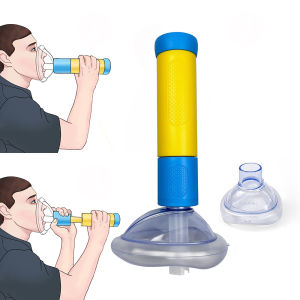
New Upgrade Portable Anti Choking Device Choking Emergency Life Saving Suction Vac Anti Choke Device First Aid Kit for Kid Adult
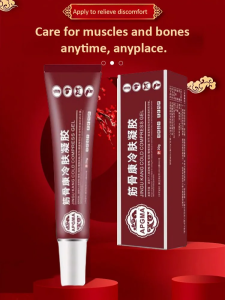
Jingukang Cold Compress Gel: A Solution for Muscle Injuries & Joint Pain
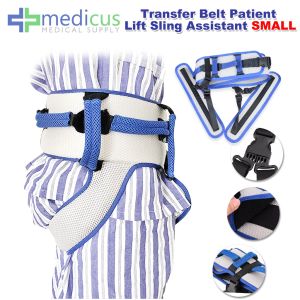
Medicus Walking Belt Rehabilitation Auxiliary Belt Leg Loops Nursing Safety Gait Assist Device Physical Therapy Training Aids

Insulin Pen Needles BD Ultra-Fine Pen Needle PRO 0.23mm (32G) x 4mm x100
2025Disposable Endoscopic Flexible Rotatable Hemoclip Gastroenterology Hemostatic Clips 1950mm teaching
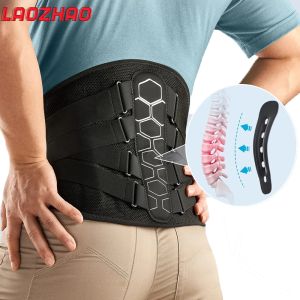
1PCS Back Brace for Lower Back Pain Relief with Pulley System Lumbar Support Belt for Men Women with Lumbar Pad Ergonomic Design

Simple Five-pointed Star Stud Earrings Stainless Steel Piercing Earrings Sweet Cool Minimalist Star Stud Earring
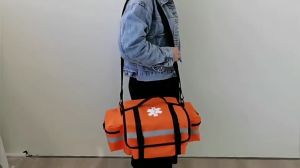
26L Trauma Bag Family Medicals Bag Emergency Package Outdoor First Aid Kit Emergency Kit Camping Equipment Large-First-Aid-Bag