


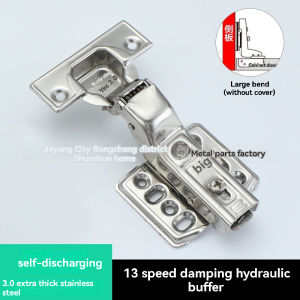
2PCS 304 Stainless Steel & Copper Core Hydraulic Buffer Mute Hinge
2PCS 304 Stainless Steel & Copper Core Hydraulic Buffer Mute Hinge
Introduction to Mute Hinges for Doors
Mute hinges, also known as silent hinges, are designed to reduce noise and vibration when a door opens and closes. These hinges provide a smooth and quiet operation, making them ideal for residential and commercial applications. In this article, we will discuss the benefits of mute hinges, types of mute hinges, installation process, and factors to consider when choosing the right mute hinge for your door.
What is a Mute Hinge?
A mute hinge is a type of door hinge that incorporates a mechanism to dampen the sound and vibrations produced during the opening and closing of a door. This mechanism can be a hydraulic buffer, a rubber or plastic bushing, or a combination of both. The result is a quieter, smoother operation that reduces the risk of damage to the door frame and surrounding areas.
Benefits of Mute Hinges
- Reduced Noise: Mute hinges significantly lower the noise produced by a door's opening and closing, creating a more peaceful environment.
- Smooth Operation: With their built-in damping mechanisms, mute hinges ensure a smooth, controlled motion, reducing wear and tear on the door and frame.
- Durability: Many mute hinges are made from high-quality materials like 304 stainless steel and copper, which are resistant to corrosion and rust, ensuring long-lasting performance.
- Versatility: Mute hinges are available in various styles and sizes, making them suitable for a wide range of doors and applications.
Types of Mute Hinges
There are different types of mute hinges available, each with its unique features and benefits. In this section, we will explore three popular types: 304 stainless steel hinges, copper core hinges, and hydraulic buffer door hinges.
304 Stainless Steel Hinge
304 stainless steel hinges are known for their durability, corrosion resistance, and aesthetic appeal. They are commonly used in high-end residential and commercial applications due to their sleek appearance and long-lasting performance. When choosing a 304 stainless steel hinge, ensure it has a hydraulic buffer mechanism to provide a smooth, silent operation.
Copper Core Hinge
Copper core hinges offer excellent damping properties due to the copper material used in their construction. The copper core helps to absorb vibrations and noise, making these hinges ideal for doors that require a quiet operation. Copper core hinges are also resistant to corrosion and rust, ensuring they maintain their appearance and performance over time.
Hydraulic Buffer Door Hinge
Hydraulic buffer door hinges incorporate a hydraulic mechanism that controls the speed at which the door opens and closes. This mechanism provides a smooth, controlled motion, reducing noise and vibration. Hydraulic buffer hinges are available in various styles and sizes, making them suitable for a wide range of doors and applications.
How to Install a Mute Hinge
Installing a mute hinge is a straightforward process that requires minimal tools and materials. In this section, we will provide a step-by-step guide to help you install a mute hinge on your door.
Tools & Materials Needed
- Drill
- Drill bits
- Screwdriver
- Tape measure
- Pencil
- Mute hinges
Step-by-Step Installation Guide
- Measure the distance between the top and bottom hinges on your existing door using a tape measure.
- Mark the positions for the new mute hinges on both the door and the frame using a pencil.
- Drill pilot holes at the marked positions using a drill and appropriate drill bit.
- Attach the mute hinges to the door and frame using screws and a screwdriver.
- Adjust the hinges to ensure they are level and aligned properly.
- Test the door's operation to ensure it opens and closes smoothly and quietly.
Choosing the Right Mute Hinge for Your Door
Selecting the right mute hinge for your door depends on several factors, including the type of door, weight, and intended use. In this section, we will discuss the factors to consider when choosing a mute hinge and how to measure for a mute hinge.
Factors to Consider
- Door Type: Determine whether your door is a swing door, sliding door, or bi-fold door, as this will affect the type of mute hinge required.
- Door Weight: Consider the weight of your door, as heavier doors may require stronger, more robust mute hinges.
- Intended Use: Think about how often the door will be used and the environment it will be exposed to, as this may influence the material and design of the mute hinge.
How to Measure for a Mute Hinge
To measure for a mute hinge, you will need to determine the distance between the top and bottom hinges on your existing door. This measurement will help you select the appropriate size and style of mute hinge for your door. Additionally, consider the weight and type of your door when choosing a mute hinge to ensure it provides the necessary support and performance.

Ren Yu
Review

You May Also Like
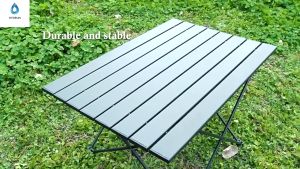
Folding Camping Table Outdoor Portable Multifunction Aluminum Barbecue Picnic Foldable Table
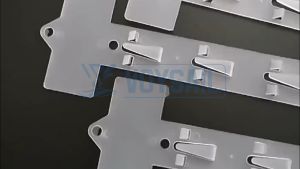
10pcs Pvc Snack Hanging Strips Supermarket Snacks Display With Hooks For Retail Store Display 52cm-83cm

Plastic Portable Storage Basket Desktop Rattan Basket Storage Bbox Basket Organizer Box
Dumbbell Themed Pen Holder Pen Display Rack Desk Pen Organizers Paint Brush Storage Holder School Office Supplies
Mountainhiker Outdoor Camping Fully Disassembled Aluminum Alloy Egg Roll Table: A Comprehensive Guide

SimpleJoy Foldable Bed Heavy-Duty Single Bed & Chair for Camping Office Home – Portable Load Capacity 300kg
JustLiving 1PC Large Capacity Storage Box: Your Ultimate Closet Solution

24 Compartment Fabric Socks & Underwear Organizers Closet Storage Box for Socks Underwear Ties - Ideal for Bedroom & Home Decor Closet Organization
Large Capacity Storage Basket Dormitory Bed Mounted Shelf Top Bunk Bed Snack Rack High Load Bearing Hanging Basket next to Bed
Living Room Desktop Wireless Router TV Box Storage Box Wide Bandwidth Optical Cat Placement Holder Plastic Cable Organizer

NCNC(OKDEALS01) Anti-slip Shoe Storage Rack Adjustable Plastic Shoes Tray Creative Space Saving Shoe Holder for Home