
SOP and RMP Manual for Cosmetics Trader Wholesaler and Distributor HARDCOPY & SOFTCOPY

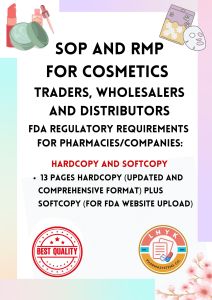
SOP and RMP Manual for Cosmetics Trader Wholesaler and Distributor HARDCOPY & SOFTCOPY

Introduction to SOP & RMP Manual for Cosmetics Industry

In today's competitive cosmetics industry, compliance and adherence to regulations are crucial factors for success. This comprehensive guide will help you understand the importance of having a Standard Operating Procedures (SOP) and Risk Management Plan (RMP) manual tailored specifically for cosmetics traders, wholesalers, and distributors. This guide will cover both hardcopy and softcopy manuals, ensuring you have the necessary tools to operate efficiently and stay compliant.

Understanding the Importance of Compliance in the Cosmetics Industry

The cosmetics industry is heavily regulated, with strict guidelines and requirements set by government agencies such as the FDA (Food and Drug Administration) in the United States. Ensuring compliance is essential for maintaining a good reputation, avoiding legal issues, and protecting consumers' health and safety. A well-crafted SOP and RMP manual will help your cosmetics business navigate these regulations and stay ahead of the competition.

Key Differences Between Hardcopy & Softcopy Manuals

While both hardcopy and softcopy manuals serve the same purpose, they have distinct advantages and disadvantages. Hardcopy manuals provide a tangible reference point, making them easier to distribute and share among employees. Softcopy manuals, on the other hand, offer flexibility and ease of updating, allowing you to quickly adapt to changes in regulations or internal processes.

Preparing Your Cosmetics Business Operations Manual

Creating a comprehensive business operations manual tailored to your cosmetics trading, wholesaling, and distributing needs is crucial for ensuring compliance and efficiency. This section will guide you through the process of developing a SOP and RMP manual that meets industry standards.

Step-by-Step Guide to Creating a Comprehensive Business Operations Manual

  1. Identify the scope and objectives of your manual, focusing on areas such as product sourcing, quality control, storage, transportation, and sales.
  2. Gather relevant information, including regulations, guidelines, and best practices specific to the cosmetics industry.
  3. Organize the content into logical sections, such as SOPs for specific processes and RMPs for risk assessment and mitigation strategies.
  4. Develop clear, concise, and easy-to-follow procedures, using simple language and visual aids where appropriate.
  5. Review and revise the manual regularly to ensure it remains up-to-date and aligned with industry changes and compliance requirements.

Incorporating Distributor Manual Hardcopy & Softcopy Requirements

When creating your business operations manual, consider the needs of both hardcopy and softcopy users. For hardcopy manuals, include clear indexing, a table of contents, and page numbers for easy reference. For softcopy manuals, ensure they are easily searchable, editable, and shareable among employees.

Implementing SOP & RMP Manuals in Your Cosmetics Business

Once your SOP and RMP manual is complete, it's time to integrate it into your daily operations. This section will provide best practices for implementing your manual effectively and ensuring compliance with cosmetics industry regulations.

Best Practices for Integrating SOP & RMP Manuals into Daily Operations

  1. Train employees on the use of the manual, emphasizing the importance of following procedures and guidelines.
  2. Encourage employees to provide feedback and suggestions for improvement, fostering a culture of continuous learning and growth.
  3. Monitor compliance through regular audits and inspections, addressing any issues promptly and effectively.
  4. Communicate changes and updates to employees in a timely manner, ensuring everyone remains informed and up-to-date.

Ensuring Compliance with Cosmetics Industry Regulations

To maintain compliance with cosmetics industry regulations, stay informed about changes in laws, guidelines, and best practices. Regularly review and update your SOP and RMP manual to reflect these changes, ensuring your business remains in line with industry standards.

Maintaining and Updating Your SOP & RMP Manuals

To keep your SOP and RMP manual relevant and effective, it's essential to regularly review and revise it. This section will guide you through the process of maintaining and updating your manual to stay ahead of industry changes and compliance requirements.

Regularly Reviewing and Revising Your Business Operations Manual

  1. Schedule regular reviews of your manual, considering factors such as employee feedback, industry trends, and regulatory changes.
  2. Identify areas for improvement and update procedures accordingly, ensuring they remain accurate and effective.
  3. Communicate changes to employees, providing training and support as needed.
  4. Document revisions and updates, maintaining a record of changes for future reference.

Staying Ahead of Industry Changes and Compliance Requirements

To stay ahead of industry changes and compliance requirements, monitor relevant news sources, attend industry events, and network with other professionals in the cosmetics industry. By staying informed and proactive, you can ensure your business remains competitive and compliant.

LHYK PharmaSystems Co.

LHYK PharmaSystems Co.

Seller ratings 96%

Review

Oops
This video has no reviews.