



Pet Dogs & Cats Dental Care Toothpaste Toothbrush
Pet Dogs & Cats Dental Care Toothpaste Toothbrush
Maintaining optimal oral hygiene for pets is crucial to their overall health and well-being. This article will guide you through choosing the right dental care products for your furry friends, including toothpastes and toothbrushes, and help you understand the importance of regular dental check-ups and professional cleanings.
Understanding Pet Oral Health Products
What Are Pet Dental Care Toothpastes?
Pet dental care toothpastes are specially formulated to meet the unique needs of dogs and cats. Unlike human toothpaste, these products are safe for pets to swallow and come in flavors they enjoy, such as poultry, beef, and peanut butter. They contain ingredients like enzymes, fluoride, and antimicrobial agents that help prevent plaque buildup, reduce bad breath, and promote healthy gums.
How to Choose the Best Toothpaste for Your Pet
When selecting a pet dental care toothpaste, consider the following factors:
- Ingredients: Look for products containing enzymes, fluoride, and antimicrobial agents to promote healthy teeth and gums.
- Flavor: Choose a flavor your pet enjoys, such as poultry, beef, or peanut butter, to encourage them to accept brushing.
- Safety: Ensure the product is safe for pets to swallow and does not contain harmful ingredients like xylitol or artificial sweeteners.
Common Ingredients in Pet Dental Care Toothpastes
Pet dental care toothpastes typically contain the following ingredients:
- Enzymes: Help break down plaque and tartar buildup.
- Fluoride: Strengthens tooth enamel and prevents cavities.
- Antimicrobial Agents: Reduce bacteria and bad breath.
Dogs & Cats Toothbrush: A Comprehensive Guide
Types of Toothbrushes for Dogs & Cats
There are two main types of toothbrushes for dogs and cats: finger brushes and regular toothbrushes. Finger brushes fit over your finger, making it easier to reach all areas of your pet's mouth. Regular toothbrushes come in various sizes and designs, including angled handles and soft bristles.
How to Brush Your Pet's Teeth Effectively
Follow these steps to brush your pet's teeth effectively:
- Start Slow: Introduce your pet to the toothbrush and toothpaste gradually, allowing them to get used to the sensation.
- Use Positive Reinforcement: Reward your pet with treats and praise during brushing sessions to encourage good behavior.
- Brush Gently: Use gentle circular motions to brush your pet's teeth and gums.
- Focus on the Back Teeth: Pay special attention to the back teeth, where plaque and tartar tend to accumulate.
- Be Consistent: Aim to brush your pet's teeth at least three times per week, ideally daily.
Maintaining Your Pet's Oral Hygiene Routine
To maintain your pet's oral hygiene routine, consider the following tips:
- Use Dental Chews: Provide dental chews and treats to help reduce plaque and tartar buildup.
- Offer Dental-Friendly Foods: Choose foods formulated to promote healthy teeth and gums.
- Monitor Your Pet's Oral Health: Regularly check your pet's teeth and gums for signs of oral health issues, such as bad breath, red or swollen gums, and loose teeth.
Ensuring Optimal Dental Care for Your Pet
Identifying Signs of Oral Health Issues in Pets
Signs of oral health issues in pets include:
- Bad Breath: Persistent bad breath can indicate dental problems.
- Red or Swollen Gums: Red or swollen gums may indicate gum disease.
- Loose Teeth: Loose teeth can be a sign of periodontal disease.
- Difficulty Eating: Difficulty eating or chewing can indicate dental pain or discomfort.
Regular Vet Check-Ups & Professional Cleanings
Regular veterinary check-ups and professional cleanings are essential for maintaining your pet's oral health. During these visits, your veterinarian can identify and address any dental issues before they become more serious. Professional cleanings involve scaling and polishing your pet's teeth under anesthesia to remove plaque and tartar buildup.
Long-Term Benefits of Proper Pet Dental Care
Proper pet dental care has numerous long-term benefits, including:
- Reduced Risk of Dental Disease: Regular brushing and professional cleanings can significantly reduce the risk of dental disease.
- Improved Overall Health: Good oral hygiene can improve your pet's overall health and well-being by reducing the risk of systemic infections and other health issues associated with poor oral hygiene.
- Increased Lifespan: Proper dental care can help extend your pet's lifespan by reducing the risk of health problems related to poor oral hygiene.
In conclusion, maintaining optimal oral hygiene for pets is crucial to their overall health and well-being. By choosing the right dental care products, brushing your pet's teeth regularly, and scheduling regular veterinary check-ups and professional cleanings, you can ensure your furry friends enjoy healthy teeth and gums for years to come.

DOUDOU petsshop
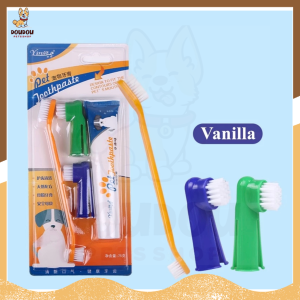
You May Also Like
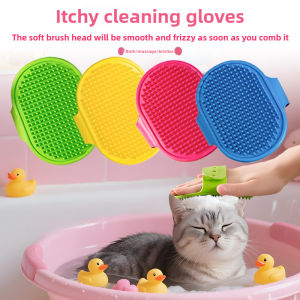
Cat Itch Scratcher Boredom Reliever Toy Cat Dog Cleaning Glove Hair Remover Adjustable Bath Brush Durable Multifunctional Safe
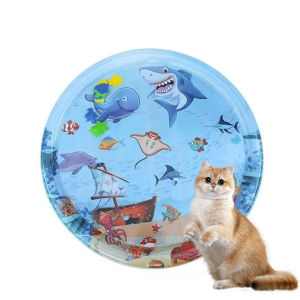
Teeker Pet Water Filled Ice Mat: Ultimate Summer Solution
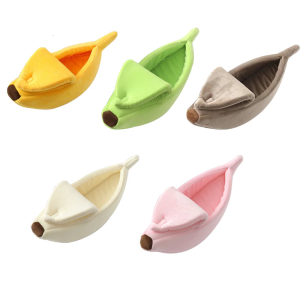
Warm Cats Cave Bed for Indoor Cats Cute Banana Shape Self-Warming Beds Calm House for Rabbit Small Breeds Dogs

【Local delivery】 【Save Rubber】Solid Rubber Dog Chew Toys Pet Ball Tug Toy Tooth Cleaning Chewing Puppy Pet Toy For Play Training With Tug Rope Handle Pet Rubber Ball
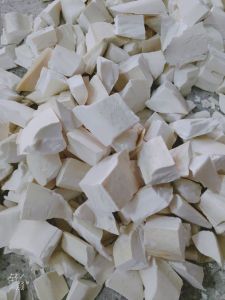
Pelletized Cuttlefish Bone Parrot Specific Pigeon Friarbird Cuttlefish Bone Loose Pearl Bird Pigeon Dandelion Chicken Chew And Teeth Grinding

Oversized Urine Separator Pad Soft and Skin-friendly Adult Urine Pad Reusable Isolation Pad Washable Leak-Proof Pad Pet Pad

Viddavet Ear Tag Pliers: A Comprehensive Guide

Tropical Freshwater Small Fish Food Pellets for Fighter Fish And Clownfish Specialized Carotenoid for Red Shrimp And Koi

4-in-1 Pet Cats Infrared Teaser Toys Multifunctional Rechargeable Various Patterns IQ Training Toy

PetMarra Sprinkles for Cats & Dogs: Boosting Appetite with 120g Collection

Fall Winter Teddy Bichon Pomeranian Schnauzer Small Dog Pet Sweater Four Legs Clothes Can Be Pulled Other Brand Casual Style