


Medical Limb Restraints for Patients Hands Feet Wrists and Limbs Protection Fixed Belts for Elderly Mental Patients Bed-Bound Care Products
Medical Limb Restraints for Patients Hands Feet Wrists and Limbs Protection Fixed Belts for Elderly Mental Patients Bed-Bound Care Products
Understanding Medical Limb Restraints
What Are Hand & Foot Restraints?
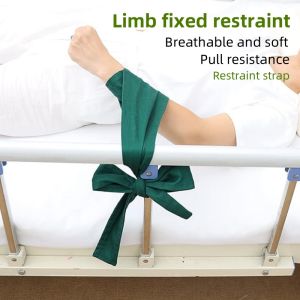
Hand and foot restraints, also known as limb immobilization devices, are medical tools used to limit movement and prevent self-injury in patients with mental health conditions, particularly the elderly. These devices are designed to ensure patient safety while providing comfort and dignity.
How Do Limb Immobilization Devices Work?
Limb immobilization devices work by gently restraining the patient's limbs, preventing them from causing harm to themselves or others. They come in various forms, such as fixed belts and wrist restraints, which can be adjusted to fit different patients' needs and preferences.
Benefits of Using Medical Limb Restraints
Using medical limb restraints offers several benefits, including:
- Patient safety: Reduces the risk of self-injury and harm to others
- Comfort: Ensures a secure and comfortable experience for the patient
- Ease of use: Simple to apply and remove, making them ideal for caregivers
Choosing the Right Fixed Belts for Bed-Bound Care
Types of Fixed Belts Available
There are various types of fixed belts available, including:
- Wrist restraints: Securely hold the patient's wrists in place
- Ankle restraints: Restrict movement of the patient's ankles
- Shoulder straps: Provide additional support and security
Factors to Consider When Selecting Fixed Belts
When choosing fixed belts for bed-bound care, consider the following factors:
- Patient size and weight: Ensure the restraints fit properly and securely
- Material quality: Opt for durable, breathable materials for patient comfort
- Ease of application: Choose restraints that are simple to apply and remove
Ensuring Patient Comfort & Safety
To ensure patient comfort and safety, consider the following tips:
- Regular monitoring: Check on the patient frequently to ensure they remain safe and comfortable
- Proper fitting: Adjust the restraints to fit the patient comfortably, avoiding any tightness or discomfort
- Communication: Maintain open communication with the patient to address any concerns or discomfort
Proper Usage & Maintenance of Medical Limb Restraints
How to Safely Apply Hand & Foot Restraints
To safely apply hand and foot restraints, follow these steps:
- Prepare the restraints: Ensure the restraints are clean and free of any damage
- Position the patient: Gently position the patient in the desired location
- Secure the restraints: Apply the restraints according to the manufacturer's instructions
Cleaning & Disinfecting Limb Immobilization Devices
To maintain the hygiene and safety of limb immobilization devices, follow these cleaning and disinfecting guidelines:
- Regular cleaning: Clean the restraints after each use with a mild detergent and warm water
- Disinfecting: Disinfect the restraints using a recommended disinfectant solution
- Storage: Store the restraints in a clean, dry location
Troubleshooting Common Issues
Some common issues that may arise when using limb immobilization devices include:
- Improper fitting: Adjust the restraints to fit the patient comfortably
- Skin irritation: Monitor the patient's skin for any signs of irritation and adjust the restraints accordingly
- Difficulty applying: Follow the manufacturer's instructions carefully to ensure proper application

Well Care
Review

You May Also Like

Ice Coated Hat Headache Hat for Migraine Condensation Cap 360° Full Surround Coverage Headache Hat Wearable Migraine Ice Head Wrap with No Velcro for Puffy Eyes Tension Sinus & Stress Relief

Smart Body Fat Weighing Scale for Human

Best Life Mixed Herbs Food Supplement Syrup: A Natural Herbal Supplement

🎉Super Low Price🎉Vinegar Softgel Helps Reduce Intake And Reduce Loss Juice Softgel Apple Cider Vinegar Gummies Chewable Supplement Digestion Support Gummies ACV Vitamin Candy
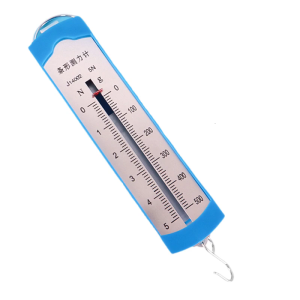
Spring Dynamometer Meter Spring Scale 1N 2.5N 5N 10N Easy to Read for Student Study
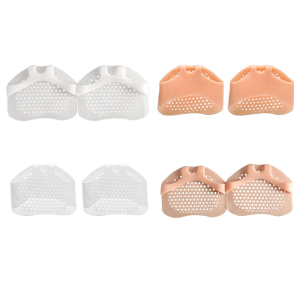
1 Pair Elastic Foot Cushions for Women High Heels Reduce Pressure and Enhances Comfort Forefoot Pads Metatarsal Pads

Biogesic for Kids 0 - 2 years Old Orange Flavor 100 Mg/ml 15 ml Oral Drops

GJK licorice kumquat for relieving cough and reducing phlegm Kumquat Throat lozenges89
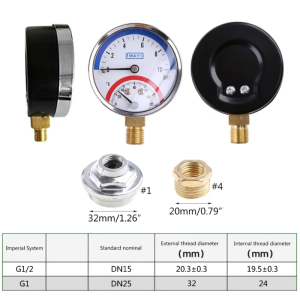
Upgraded 10 BAR Lower Entry 120℃ Temperature Pressure Meter Thermo-manometer 1in/1/2in for Used Floor Heating

KIMP 20PCS Warmer Patches: Menstrual Pain Relief Solution
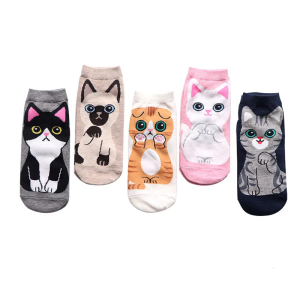
5 Pairs Casual Socks Elastic Cuffs Soft Cats Pattern Design Breathable Comfortable Low Cut Short Ankle Socks for Women