


How to Effectively Use Elderly Patient Transfer Belt & Side Lying Care Pad
How to Effectively Use Elderly Patient Transfer Belt & Side Lying Care Pad
Understanding the Benefits of Elderly Patient Transfer Belt & Side Lying Care Pad
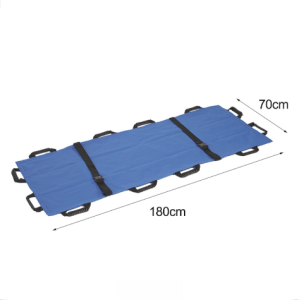
The elderly patient transfer belt and side lying care pad are essential medical draw sheets designed to enhance the comfort and safety of elderly patients during mobility assistance. These products play a crucial role in providing effective support and minimizing the risk of injuries and complications.
Key Features of Elderly Patient Transfer Belt
- Ergonomically designed for easy grip and secure transfer
- Adjustable straps for custom fit
- Non-slip material to prevent slippage during transfers
Key Features of Side Lying Care Pad
- Contoured shape for optimal patient positioning
- Soft, breathable material for enhanced comfort
- Lightweight design for easy handling
Step-by-Step Guide to Using Bed Patient Shift Pad & Paralysis Patient Support
To effectively utilize the elderly patient transfer belt and side lying care pad, follow these steps:
Preparing for the Transfer Process
- Ensure the bed is properly adjusted to the desired height.
- Gather all necessary equipment, including the transfer belt and care pad.
- Communicate with the patient to explain the process and ensure their comfort.
Performing the Transfer with the Elderly Patient Transfer Belt
- Secure the transfer belt around the patient's waist.
- Position yourself behind the patient, holding the transfer belt firmly.
- Gently lift and move the patient to the desired location.
Positioning the Patient with the Side Lying Care Pad
- Place the care pad on the bed, positioning it according to the patient's needs.
- Assist the patient in lying down on the care pad, ensuring proper alignment.
- Adjust the care pad as needed to maintain patient comfort and stability.
Maximizing Safety & Comfort During Bedside Mobility Aid Use
To ensure optimal safety and comfort during the use of bedside mobility aids, consider the following:
Ensuring Proper Patient Placement
- Position the patient in a comfortable and secure manner.
- Adjust the bed height and transfer belt as needed to accommodate the patient's needs.
Maintaining Patient Stability
- Monitor the patient's position throughout the process.
- Use additional support devices, such as pillows or wedges, if necessary.
Monitoring Patient Comfort Throughout the Process
- Regularly check on the patient's comfort level.
- Address any discomfort or concerns promptly.
Choosing the Right Medical Draw Sheet for Your Needs
When selecting the appropriate medical draw sheet, consider the following factors:
Evaluating Different Types of Medical Draw Sheets
- Compare the features and benefits of various types of draw sheets.
- Choose a product that aligns with the patient's specific needs.
Considering Material & Size Requirements
- Select a draw sheet made from high-quality, durable materials.
- Ensure the size of the draw sheet is appropriate for the patient's dimensions.
Assessing Ease of Use & Maintenance
- Opt for a draw sheet that is easy to handle and maintain.
- Consider the cleaning and storage requirements of the product.
Real-Life Case Studies: Success Stories with Bed Patient Lifter & Auxiliary Pads
Explore these real-life case studies to learn how the elderly patient transfer belt and side lying care pad have improved patient care and caregiver efficiency.
Case Study 1: Improving Patient Comfort
In this case study, a patient with limited mobility experienced increased comfort and reduced pain during transfers after using the elderly patient transfer belt and side lying care pad.
Case Study 2: Enhancing Caregiver Efficiency
A caregiver reported significant improvements in efficiency and reduced physical strain after incorporating the elderly patient transfer belt and side lying care pad into their routine.
Case Study 3: Preventing Injuries & Complications
The use of the elderly patient transfer belt and side lying care pad helped prevent injuries and complications in a patient with paralysis, promoting a safer and more comfortable recovery process.

zxdgcdszg624
Review

You May Also Like
IN STOCK bedpan Folding Bedside Commode Chair-Stainless Steel Elderly Toilet Chair with Commode Bucket Height Adjustable Toilet Stool for Pregnant Women And Disabled Bathroom
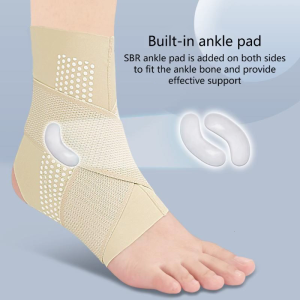
Men Women Feet Support Stabilizer Heel Wrap Ankle Brace Compression Sleeve Adjustable Leg Splints Immobilizer Wrap Guard
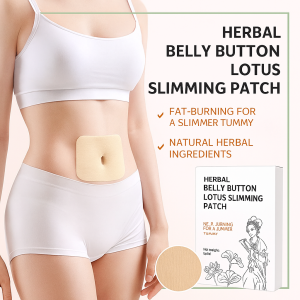
Herbal Flower Lotus Leaf Ai Navel Patch

CORBIZEE PLUS Vitamin C+Zinc Capsules

KISSUI Pure Placenta + Collagen & Hyaluronic Acid Good for 30 Days Anti-aging- Skin cell renewal Reduction of wrinkles and blemishes.
NGT Silicone Partners: High-Performance Silicone Components
GoWhite

1 Kilogram Organic Turmeric Powder+FREE 100 Grams - All Natural Turmeric Curcumin (Luyang Dilaw) Powder
Rossmax Nebulizer High Quality
Open Toe Compression Sock AidEasy Slide Slip Stocking Applicator to Help Assist Put On for DisabledElderlyPregnant

NutriBear Melatonin Gummies with Collagen + Biotin Vit C and A Sleep Aid Vitamin