


Orthopedic Polymer Splint: A Breathable & Allergy-Free Solution
Orthopedic Polymer Splint: A Breathable & Allergy-Free Solution
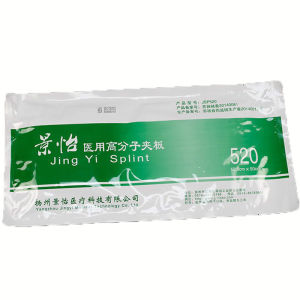
Orthopedic polymer splints are a game-changing alternative to traditional plaster splints, offering a lightweight, portable, and allergy-free solution for fracture fixation and first aid medical accessories. In this article, we will explore the features, benefits, and usage of orthopedic polymer splints, as well as their advantages for both patients and healthcare providers.
What is an Orthopedic Polymer Splint?
Orthopedic polymer splints are advanced medical devices designed to provide support and stabilization for fractured bones and injuries. These splints are made from a lightweight, breathable material that is free from allergens, making them an ideal choice for individuals with allergies or sensitivities to traditional plaster splints.
Key Features
- Lightweight and portable
- Breathable and allergy-free
- Easy to shape and mold
- Durable and long-lasting
- Comfortable and secure fit
Benefits Over Traditional Plaster Splints
Orthopedic polymer splints offer several advantages over traditional plaster splints, including:
- Breathability: Orthopedic polymer splints allow air to circulate around the injured area, reducing the risk of skin irritation and infection.
- Allergy-free: Unlike traditional plaster splints, orthopedic polymer splints are free from allergens, making them safe for individuals with allergies or sensitivities.
- Portability: Orthopedic polymer splints are lightweight and easy to transport, making them ideal for use in emergency situations or during travel.
- Ease of use: Orthopedic polymer splints are simple to shape and mold, allowing healthcare providers to quickly and easily apply them to patients.
How to Use an Orthopedic Polymer Splint
Using an orthopedic polymer splint is simple and straightforward. Here is a step-by-step guide:
- Clean and dry the injured area.
- Cut the splint to the desired length and shape.
- Apply the splint to the injured area, using the included straps to secure it in place.
- Adjust the straps to ensure a comfortable and secure fit.
- Monitor the injured area for any signs of swelling or discomfort.
Tips for Effective Use
- Always consult with a healthcare provider before using an orthopedic polymer splint.
- Follow the manufacturer's instructions carefully.
- Monitor the injured area for any signs of swelling or discomfort.
- Keep the splint clean and dry.
Why Choose an Orthopedic Polymer Splint?
Orthopedic polymer splints offer several advantages for both patients and healthcare providers.
Advantages for Patients
- Comfort: Orthopedic polymer splints are lightweight and breathable, providing a more comfortable experience for patients.
- Safety: Orthopedic polymer splints are free from allergens, reducing the risk of allergic reactions and skin irritation.
- Portability: Orthopedic polymer splints are easy to transport, making them ideal for use in emergency situations or during travel.
Advantages for Healthcare Providers
- Ease of use: Orthopedic polymer splints are simple to shape and mold, allowing healthcare providers to quickly and easily apply them to patients.
- Durability: Orthopedic polymer splints are durable and long-lasting, reducing the need for frequent replacements.
- Cost-effective: Orthopedic polymer splints are often more cost-effective than traditional plaster splints, reducing the overall cost of treatment.
Conclusion
Orthopedic polymer splints are a game-changing alternative to traditional plaster splints, offering a lightweight, portable, and allergy-free solution for fracture fixation and first aid medical accessories. With their numerous benefits for both patients and healthcare providers, orthopedic polymer splints are an excellent choice for anyone in need of reliable and effective medical support.

BearHoHo
Review

You May Also Like

Hemorrhoids Herbal Cream: Natural Herbs for Hemorrhoids & Gentle Care Relief
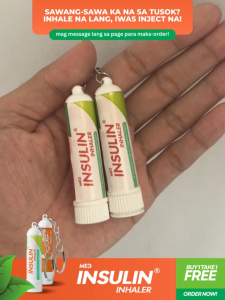
Med Insulin Inhaler Ultra-Rapid Acting Insulin BUY1TAKE1 Alternative Therapy Solution Healthcare
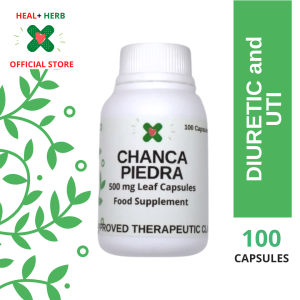
100% Organic Chanca Piedra (Stone Breaker) Sampalukan Kidney Stone and Gall Stones Breaker

304 Stainless Steel Medical Trolleys: A Comprehensive Guide

3grams 12sachets On The Go Salveo Barley Grass (SBG) Pure and Organic Barley Grass
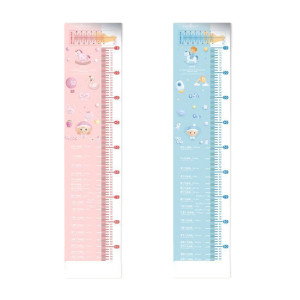
Height Measurement Pad for Baby and Kids Soft & Lightweight Design Ruler for Accurate Growth Progress Detection
LANCET 200 pcs per box
2000s Star Ear Muffs for Adult Teens Thicken Plush EarCovers for Great Warmth Cold Weather Winter Activity Ear Protectors
3D Quantum Resonance Body Composition Scan Health Analyzing Device Clinical Analytical Instruments
Far Infrared Pain Patch Arthritis Treatment Pain Relief Patch for Shoulder Hand Waist Knee Joint Foot Health
Medical Plastic Medicine Dosing Box & Infusion Tray: A Comprehensive Guide