



Laboratory Water Bath Constant Temperature Digital Display Heater: A Comprehensive Guide
Laboratory Water Bath Constant Temperature Digital Display Heater: A Comprehensive Guide
What is a Laboratory Water Bath Constant Temperature Digital Display Heater?
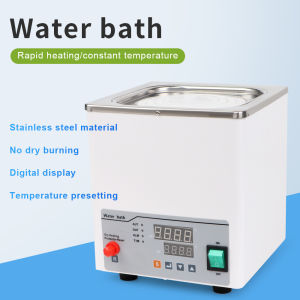
A laboratory water bath constant temperature digital display heater, often referred to as a single hole heater, is a crucial piece of lab equipment used for maintaining a consistent temperature in various scientific experiments and analyses. This type of heater is equipped with a digital display and thermostat control, ensuring precise and accurate temperature regulation. It is widely used in research facilities, universities, and pharmaceutical companies, among other industries.
Single Hole Heater: Key Features & Benefits
The single hole heater offers several advantages that make it an ideal choice for many applications:
-
Precision: The digital display and thermostat control allow for accurate temperature regulation, ensuring consistent results in experiments.
-
Efficiency: The heater's energy-efficient design minimizes power consumption, reducing operational costs.
-
Versatility: With a wide range of temperature settings, the single hole heater can accommodate various experimental requirements.
Digital Display & Thermostat Control: Enhancing Precision & Accuracy
The digital display and thermostat control system play a vital role in ensuring the accuracy and precision of the laboratory water bath constant temperature digital display heater. The digital display provides real-time temperature readings, allowing users to monitor and adjust the temperature as needed. Meanwhile, the thermostat control enables precise temperature regulation, ensuring optimal conditions for various experiments and analyses.
Applications in Scientific Research & Analysis
Laboratory water bath constant temperature digital display heaters are used in a wide range of scientific research and analysis applications, including:
-
Cell culture: Maintaining optimal temperature conditions for cell growth and proliferation.
-
Enzyme activity testing: Measuring enzyme activity at specific temperatures.
-
DNA/RNA extraction: Ensuring consistent temperature conditions during nucleic acid isolation processes.
-
Protein denaturation studies: Investigating protein stability at varying temperatures.
How to Choose the Right Laboratory Water Bath Heater
Selecting the appropriate laboratory water bath heater depends on several factors:
Key Considerations: Capacity, Temperature Range, & Power Requirements
-
Capacity: Choose a heater with sufficient capacity to accommodate your experimental needs.
-
Temperature range: Select a heater with a wide temperature range to cover various experimental requirements.
-
Power requirements: Ensure the heater has adequate power to maintain the desired temperature consistently.
Comparing Single Hole & Multi-Hole Heaters
Single hole heaters are ideal for smaller-scale experiments, while multi-hole heaters offer greater flexibility for larger-scale research projects. Consider your specific needs before choosing between these two options.
Evaluating Digital Display & Thermostat Functionality
When selecting a laboratory water bath heater, evaluate the digital display and thermostat functionality to ensure accurate temperature regulation and real-time monitoring capabilities.
How to Use a Laboratory Water Bath Constant Temperature Digital Display Heater
To maximize the benefits of your laboratory water bath constant temperature digital display heater, follow these steps:
Setting Up & Calibrating Your Heater
-
Setup: Place the heater on a stable surface and fill it with distilled water.
-
Calibration: Calibrate the heater according to the manufacturer's instructions to ensure accurate temperature readings.
Maintaining Optimal Temperature & Stability
-
Monitor: Regularly monitor the temperature display to ensure consistent conditions.
-
Adjustments: Make adjustments as needed to maintain the desired temperature.
Troubleshooting Common Issues & Maintenance Tips
-
Common issues: Address common issues such as temperature fluctuations or inaccurate readings by referring to the manufacturer's troubleshooting guide.
-
Maintenance: Perform regular maintenance tasks, such as cleaning and replacing water, to ensure optimal performance.
Laboratory Water Bath Heaters: Advantages & Disadvantages
Advantages: Precision, Efficiency, & Versatility
Laboratory water bath constant temperature digital display heaters offer several advantages, including precision, efficiency, and versatility.
Disadvantages: Cost, Maintenance, & Potential Hazards
However, there are also some disadvantages to consider, such as higher costs, maintenance requirements, and potential hazards associated with water usage.
Conclusion: Maximizing the Benefits of Laboratory Water Bath Constant Temperature Digital Display Heaters
Laboratory water bath constant temperature digital display heaters are essential tools for scientific research and analysis. By understanding their features, benefits, and proper usage, you can maximize their potential and achieve consistent results in your experiments.

DI SHI DAI
Review

You May Also Like

Cat Scratch Board Nest Bowl-Shaped Basin Oversized Round Claw Grinder Corrugated Carton No Scraps Toys Supplies

Pet Cat Collar Bell Feather Toy Cat Stick Scratch-resistant Bite Cat Toy Funny Stick Interactive Toy

Rabbit Water Nipple Drinker: A Comprehensive Guide

Electric Cat Ball Toys: Smart Automatic Rolling Cat Toys for Cats

Dog TPR Toys resistant To Bite Bone Thermal Plastic Rubber Ball Teeth Training Play For Dog Puppy

MONLEYTA | German Electric Hair Remover For Poultry And Pork Waterproof Dual-Purpose Commercial Chicken Duck Goose Feather Remover

Rechargeable Smart Cat Toys & Automatic Fast Rolling Dog Cat Training Balls

Pet Dog Brush Cat Comb Self Cleaning Pet Hair Remover Brush For Dogs Cats Grooming Tools Pets Dematting Comb Dogs Accessories
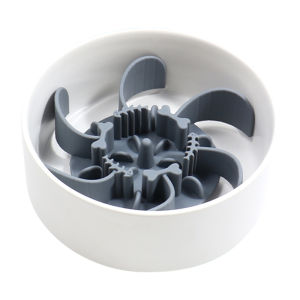
Xuyuan Silicone Slow Feeder Bowl Pet Food Dish Anti-choking Catfeeding Delayed Eating Tray for Dogs And Cats

Thickened Fleece Warmth Cat Vest for Winter Autumn Cold Protection Dehui Hairless Cat Clothes Absence of Hair Coat for Kittens
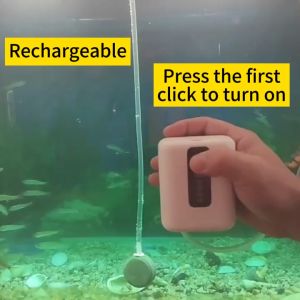
Air pump for aquqrium Oxygen pump for aquarium 1800mAh USB Wireless Battery life 70h No noise High oxygen production 2L/1min Aquarium air pump Portable aquarium air pump Oxygen fish aquarium