



Animal RFID Reader Handheld 134.2KHz 125kHz Pet Cat Dog Microchip Scanner FDX-B Glass Chip USB/Bluetooth Tag Reader with Tags
Animal RFID Reader Handheld 134.2KHz 125kHz Pet Cat Dog Microchip Scanner FDX-B Glass Chip USB/Bluetooth Tag Reader with Tags
What is an Animal RFID Reader?
An Animal RFID Reader is a device that allows pet owners to scan and read microchips implanted in their pets. These microchips contain unique identification numbers that can be used to locate lost pets and provide vital information about their health and ownership.
Understanding the Basics of RFID Technology
RFID stands for Radio-Frequency Identification, a technology that uses electromagnetic fields to automatically identify and track tags attached to objects. In the case of animal RFID readers, these tags are implanted in the form of microchips beneath the skin of the pet. The reader sends out a radio signal that activates the chip, which then transmits its unique identification number back to the reader. This process allows pet owners to easily scan and access the stored information on the microchip.
Key Features of Animal RFID Readers
Animal RFID readers come in various models, each with different features and capabilities. Some common features include:
-
Frequency: Animal RFID readers operate at two frequencies: 134.2 kHz and 125 kHz. The 134.2 kHz frequency is widely used for FDX-B glass chips, while the 125 kHz frequency is used for other types of chips.
-
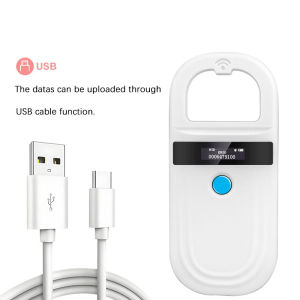
Connectivity: Some animal RFID readers come with USB or Bluetooth connectivity, allowing them to be connected to a computer or smartphone for easy data transfer and storage.
-
Compatibility: Animal RFID readers should be compatible with different types of microchips, including FDX-B glass chips, to ensure maximum compatibility with various pets.
Benefits of Using an Animal RFID Reader
Using an animal RFID reader offers several benefits for pet owners:
-
Easy Identification: Scanning a pet's microchip allows for quick and accurate identification, making it easier to locate lost pets and provide necessary care.
-
Health Monitoring: Animal RFID readers can be used to monitor a pet's health by tracking changes in their microchip data.
-
Emergency Situations: In case of emergencies, animal RFID readers can help identify pets and provide vital information about their ownership and medical history.
How to Choose the Right Animal RFID Reader
Selecting the right animal RFID reader depends on several factors:
Factors to Consider When Selecting an Animal RFID Reader
-
Frequency Compatibility: Ensure that the reader operates at the correct frequency for the type of microchip implanted in your pet.
-
Connectivity Options: Choose a reader with USB or Bluetooth connectivity for easy data transfer and storage.
-
Compatibility: Opt for a reader that is compatible with different types of microchips to ensure maximum compatibility with various pets.
Comparing Different Types of Animal RFID Readers
Animal RFID readers come in various models, each with its own set of features and capabilities. Some popular models include:
-
USB/Bluetooth Tag Reader: A versatile reader that offers both USB and Bluetooth connectivity options.
-
FDX-B Glass Chip Reader: A reader specifically designed for FDX-B glass chips, offering high accuracy and reliability.
-
Handheld Reader: A portable reader that allows for easy scanning of pets on-the-go.
Popular Animal RFID Reader Models
Some popular animal RFID reader models include:
-
USB/Bluetooth Tag Reader: This versatile reader offers both USB and Bluetooth connectivity options, making it ideal for pet owners who want to easily transfer data to a computer or smartphone.
-
FDX-B Glass Chip Reader: This reader is specifically designed for FDX-B glass chips, offering high accuracy and reliability in reading microchips.
-
Handheld Reader: This portable reader allows for easy scanning of pets on-the-go, making it ideal for pet owners who want to quickly identify their pets in various settings.
How to Use an Animal RFID Reader
Using an animal RFID reader is simple and straightforward:
Step-by-Step Guide to Scanning a Pet's Microchip
-
Turn on the reader and ensure it is properly connected to a power source or computer/smartphone if using USB/Bluetooth connectivity.
-
Hold the reader close to the pet's microchip implant site, usually located between the shoulder blades.
-
Press the scan button on the reader to activate the radio signal and read the microchip data.
-
Record the unique identification number displayed on the reader for future reference.
Tips for Properly Handling an Animal RFID Reader
-
Handle with Care: Be gentle when handling the reader to avoid damaging the sensitive components.
-
Keep Clean: Regularly clean the reader to prevent the buildup of dirt and debris that could interfere with its operation.
-
Store Properly: Store the reader in a safe place when not in use to protect it from damage.
Troubleshooting Common Issues with Animal RFID Readers
If you encounter any issues while using an animal RFID reader, try the following troubleshooting steps:
-
Check Battery: Ensure the reader has sufficient battery power.
-
Check Connectivity: If using USB/Bluetooth connectivity, ensure the reader is properly connected to the computer/smartphone.
-
Contact Support: If the issue persists, contact the manufacturer's customer support for assistance.
Why Every Pet Owner Should Have an Animal RFID Reader
Having an animal RFID reader offers several benefits for pet owners:
Importance of Microchipping Your Pet
Microchipping your pet provides a permanent form of identification that can help locate lost pets and provide vital information about their ownership and medical history.
Benefits of Regularly Scanning Your Pet's Microchip
Regularly scanning your pet's microchip allows you to monitor changes in their health and ensure that the stored information is up-to-date.
How Animal RFID Readers Can Help in Emergency Situations
In case of emergencies, animal RFID readers can help identify pets and provide vital information about their ownership and medical history, allowing for quick and appropriate action.
Conclusion
Animal RFID readers are essential tools for pet owners, offering a convenient and reliable way to identify and track their pets. By choosing the right reader and using it correctly, pet owners can ensure the safety and well-being of their furry friends.
Recap of Key Points
-
Animal RFID readers allow pet owners to scan and read microchips implanted in their pets.
-
They offer several benefits, including easy identification, health monitoring, and emergency situations.
-
When selecting a reader, consider factors such as frequency compatibility, connectivity options, and compatibility with different types of microchips.
-
Using an animal RFID reader is simple and straightforward, requiring only a few basic steps.
Final Thoughts on Animal RFID Readers
Investing in an animal RFID reader is a smart decision for any pet owner who wants to ensure the safety and well-being of their furry friend. With the right reader and proper usage, pet owners can easily identify and track their pets, providing peace of mind and ensuring a happy and healthy life for their beloved companions.

Tool Room
Review
You May Also Like

GTCODESTAR X-620E handheld Barcode Reader Inventory mode Memory 1D Barcode Scanner 2.4G Wireless Handheld Laser Bar Code Reader
High Performances Nozzle Set for K2 Plus 3D Printers Includes 0.4mm 0.6mm 0.8mm 1.0mm Hardened Steel Nozzles for Enhanceds Durability and Precisions

Primary Charge Roller PCR Compatible with Ricoh MPC3003 3503 3004 C3504 4503 5503 6003 5504 6004
Original B57C050-2 Brother Printer Head PCB Board Flex DCP T300 T500 T700 T800. Preloved.
SHENGLONG HP-260Q Hot Selling High Quality Gold Foil Date Pneumatic Coding Machine High Speed Gold Stamping Encoder Ribbon Food Expiry Date Typewriter Batch Number

Epson Original Ink 65ml Bottles: A Comprehensive Guide
Shenglong HP-241 Electric belt heat coding machine fully automatic production date and batch number food packaging coding machine labeling machine matched with code printing label color band imitation spray code printing steel printing machine

MIPO Compatible Dye Ink for EPSON 003 L1210L1250L3210L3216L3250L3256L5290L3550L3556
AOS 2pcs Compatible Toner Cartridge TN116 TN 116 TN-116 for Ineo Develop
Bundy Clock Ribbon (Iwata E2A) Ink Cartridge Canon Cartridge Cardboard Clock - Lazada

Epson Ribbon Cartridge LQ-310 S015639/S015634