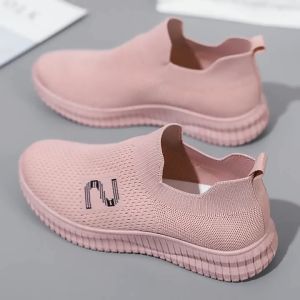



Thick Bottom Slippers & Operating Room Work Shoes: A Comprehensive Guide
Thick Bottom Slippers & Operating Room Work Shoes: A Comprehensive Guide
What Are Thick Bottom Slippers?
Thick bottom slippers are comfortable footwear designed to provide excellent cushioning and support while walking indoors. They are perfect for those who spend long hours at home or work, as they help alleviate foot pain and reduce stress on joints.
Key Features of Thick Bottom Slippers
- Thick, soft soles for added comfort and shock absorption
- Slip-resistant materials to prevent slips and falls
- Durable construction to withstand daily wear and tear
- Various styles and colors to suit different preferences
Benefits of Thick Bottom Slippers
- Improved posture and balance
- Reduced foot fatigue and soreness
- Enhanced joint health and mobility
- Easy to slip on and off
Who Should Use Thick Bottom Slippers?
Anyone looking for a comfortable and supportive shoe option for indoor use, including:
- Elderly individuals with joint pain or arthritis
- People who stand or walk for extended periods
- Those recovering from injuries or surgeries
- Individuals with diabetes or other conditions affecting foot health
Understanding Lazy Hole Shoes
Lazy hole shoes, also known as lazy slippers, are a type of slipper that features a unique design with a hole cut out of the front of the shoe. This allows the wearer to easily slide their foot in and out without having to tie laces or adjust straps.
Characteristics of Lazy Hole Shoes
- Open-toe design for easy entry and exit
- Soft, breathable materials for comfort
- Non-slip soles for added safety
- Stylish and versatile for various occasions
Pros & Cons of Lazy Hole Shoes
Pros
- Easy to put on and take off
- Lightweight and flexible
- Breathable materials for comfort
- Affordable price point
Cons
- Limited protection for feet
- May not be suitable for outdoor use
- Less support compared to traditional slippers
Suitable Users for Lazy Hole Shoes
People who prefer a quick and easy way to get dressed and undressed, including:
- Busy professionals with limited time
- Seniors with limited mobility
- Individuals with dexterity issues
Choosing the Right Operating Room Work Shoes
Selecting the appropriate operating room work shoes is crucial for maintaining a sterile environment and ensuring the safety of both patients and healthcare workers. Here are some factors to consider when choosing the right shoes:
Factors to Consider When Selecting Operating Room Work Shoes
- Sterility: Choose shoes that are easy to clean and maintain a sterile environment.
- Comfort: Opt for shoes that provide adequate cushioning and support to prevent foot fatigue during long shifts.
- Non-Slip Soles: Ensure that the shoes have non-slip soles to prevent slips and falls in the operating room.
- Breathability: Select shoes made from breathable materials to keep feet cool and dry.
Not Heat Resistant Shoes: A Closer Look
It is essential to avoid shoes that are not heat resistant, as they may melt or deform under the intense heat generated by surgical instruments and equipment. Instead, choose shoes made from heat-resistant materials like leather or synthetic fabrics.
Doctors & Nurses: The Importance of Clean Shoes
Maintaining clean and sterile shoes is crucial for doctors and nurses working in the operating room. Regular cleaning and disinfection of shoes can help prevent the spread of infections and ensure a safe environment for patients and staff.
How to Care for Your Thick Bottom Slippers & Operating Room Work Shoes
Proper care and maintenance of thick bottom slippers and operating room work shoes can extend their lifespan and ensure optimal performance. Here are some tips for keeping your shoes in top condition:
Proper Cleaning Techniques
- Remove any dirt or debris using a soft-bristled brush or cloth.
- Hand wash the shoes with mild soap and water, avoiding harsh chemicals or abrasive materials.
- Rinse thoroughly and allow the shoes to air dry away from direct sunlight.
Storage Tips for Longevity
- Store shoes in a cool, dry place away from direct sunlight.
- Avoid stacking shoes on top of each other to prevent deformation.
- Use shoe trees or stuffers to maintain the shape of the shoes.
Troubleshooting Common Issues
- If the soles become slippery, apply a non-slip spray or replace the soles.
- For worn-out or damaged shoes, consider replacing them to maintain optimal performance and safety.

TB FASHION STORE
Review

You May Also Like
Korean Shoes for Women Slipper for Women Slippers Women New Style 2024
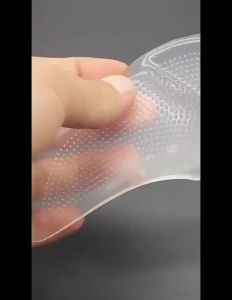
ZEO Clear Insole Orthopedic Professional Arch Support Insole Flat Foot Orthotic Insole Insert Silicone
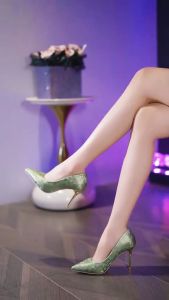
Green Qipao Heels: Chinese Wedding Shoes - Satin Pointed Toe Stilettos - Bridal Formal Elegance
Mario D' Boro Women's College Pumps LY 27628: Stylish & Comfortable Footwear
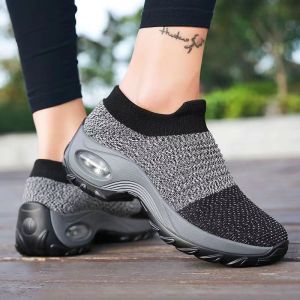
New sneakers women running shoes sports shoes platform Shoes Fashion Running Slip on Shoe COD DY
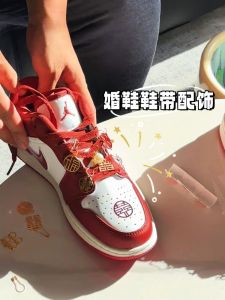
Wedding Shoes DIY Accessories Festive Red Detachable High-End Material Sports Casual Shoe Laces Decorative Ribbon
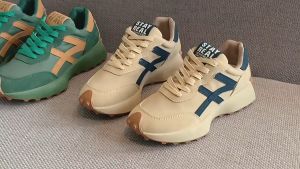
Korean Fashion Women Rubber Shoes C260 add one size order !!!
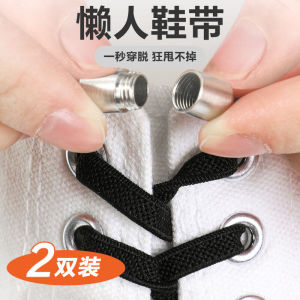
No-Tie Flat Shoelaces: Universal Children's Shoe Laces for Easy Wear & Comfortable Fit
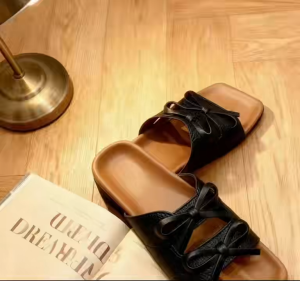
Fashion Bow Womens slippers outdoor Retro Beach leisure Flat Shoes Lightweight comfortable Sandals
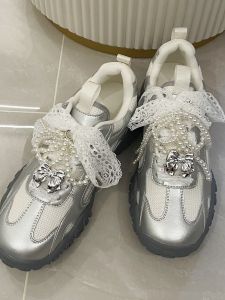
East Gate De Xin Casual Lace Shoe: A Stylish & Versatile Fashion Accessory
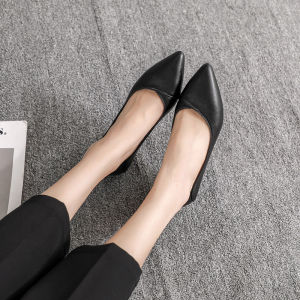
IELGY Soft-soled Work Shoes: Women's Black Pointed-toe Flat Mules Comfortable in The Sallow Mouth