


Chiffon Jacquard Fabric & Daisy Micropermeable Fabric: Garment Making Materials
Chiffon Jacquard Fabric & Daisy Micropermeable Fabric: Garment Making Materials
Introduction to Chiffon Jacquard Fabric
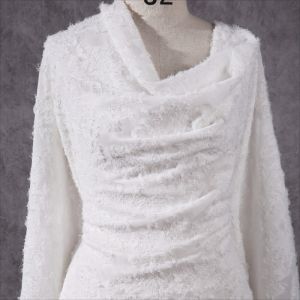
Chiffon Jacquard fabric is a popular choice among fashion enthusiasts and garment makers alike. This luxurious material offers a unique blend of elegance and versatility, making it ideal for various types of clothing and accessories.
Understanding the Characteristics of Chiffon Jacquard Fabric
Chiffon Jacquard fabric is known for its lightweight, sheer texture, and intricate patterns. The fabric is made using a special weaving technique that creates a raised design on the surface, giving it a unique look and feel.
Key Features of Chiffon Jacquard Fabric
- Lightweight and sheer
- Intricate patterns and designs
- Soft and smooth texture
- Versatile and easy to work with
- Suitable for various types of clothing and accessories
Exploring the Daisy Micropermeable Fabric
Daisy Micropermeable fabric is another popular choice for garment making, offering a unique combination of breathability and durability. This innovative material is perfect for creating comfortable and stylish clothing that can withstand the test of time.
Key Properties of Daisy Micropermeable Fabric
Daisy Micropermeable fabric is known for its micropermeable technology, which allows air to pass through the fabric while still keeping water out. This makes it ideal for creating garments that are both breathable and waterproof.
How to Choose the Right Micropermeable Fabric
When choosing the right micropermeable fabric for your garment making project, consider the following factors:
- Breathability: Look for fabrics that allow air to pass through easily.
- Water resistance: Check the fabric's water resistance rating to ensure it can withstand rain and other wet conditions.
- Durability: Choose fabrics that are strong and durable enough to withstand regular wear and tear.
Utilizing Chiffon Jacquard & Daisy Micropermeable Fabric in Garment Making
Both Chiffon Jacquard and Daisy Micropermeable fabrics offer unique properties that make them ideal for creating beautiful and functional garments. By incorporating these materials into your designs, you can create clothing that is both stylish and practical.
How to Incorporate Chiffon Jacquard Fabric in Your Designs
Chiffon Jacquard fabric is perfect for creating delicate and elegant clothing items such as dresses, blouses, and shawls. To incorporate this fabric into your designs, consider the following tips:
- Choose patterns and designs that complement the fabric's intricate texture.
- Use lightweight linings to add structure and support to the garment.
- Consider using decorative elements such as lace or embroidery to enhance the fabric's beauty.
Using Daisy Micropermeable Fabric for a Unique Touch
Daisy Micropermeable fabric is perfect for creating functional and stylish clothing items such as jackets, pants, and coats. To incorporate this fabric into your designs, consider the following tips:
- Choose colors and patterns that complement the fabric's unique texture.
- Use breathable linings to ensure the garment remains comfortable to wear.
- Consider using decorative elements such as zippers or buttons to enhance the fabric's functionality.
Tips for Working with TJ22539 Fabric
TJ22539 fabric is a special type of micropermeable fabric that offers unique properties that make it ideal for garment making. By understanding the properties of this fabric and choosing the right sewing techniques, you can create beautiful and functional clothing items.
Understanding the Properties of TJ22539 Fabric
TJ22539 fabric is known for its micropermeable technology, which allows air to pass through the fabric while still keeping water out. This makes it ideal for creating garments that are both breathable and waterproof.
Choosing the Right Sewing Techniques for TJ22539 Fabric
When working with TJ22539 fabric, consider the following tips:
- Use a lightweight needle to avoid damaging the fabric.
- Use a straight stitch or a zigzag stitch to ensure the fabric remains flexible.
- Use a low tension setting to prevent the fabric from puckering.
- Use a walking foot or a teflon foot to prevent the fabric from slipping while sewing.

Xintianji
Review

You May Also Like
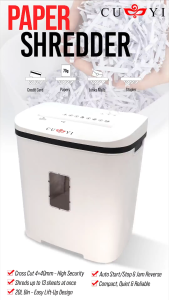
MP00 20 Liters CUYI Automatic Paper Shredder Machine A4 Size Heavy Duty Shredder

10 Sheets Transparent Self-adhesive Book Wrap Protective Cover Waterproof Film Diamond Wrapper S/M/L Book Covers Waterproof Film

SaleZone -- Corkscrew Kraft Paper Box | 4x14x2cm | 10pcs per Pack
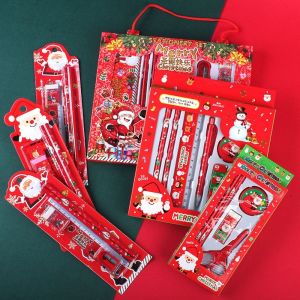
REPTIT Student Gift Box Christmas Stationery Set Ruler Memo Pads Christmas Pencils Eraser Small Gift Supplies Pencil Christmas Stationery Gifts Festive Christmas

Lucky Lion Metal Keychain Celebration Year of the Horse Keyring Happiness And Peace Pendant Gift for New Year Festive Ornament
Jermey Colored Hard Cardstock A4 Art Special Thickened Handmade 180g Stereoscopic Book Materials Mixed Color Drawing High Aesthetic Pure Color Children Kindergarten Primary School
Universal Star Plastic Gold Trophy Height 22cm (Customize Available)

Tulco Emboss Assorted Color 1K / Tulco Super White RC Textile inks (250g 500g 1Kg)

5Ply 50g Milk Cotton Yarn Wool Thread For Knitted Scarf Handmade DIY

50PCS Shell Cartoon Sticker INS Style Cute Sea Creature Starfish Shell Graffiti PVC Vinyl Sticker Kid Toys
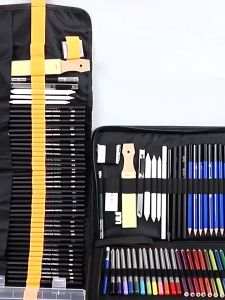
Portable Sketch Painting Set & Professional Drawing Pencil Kit: Essential Art Supplies