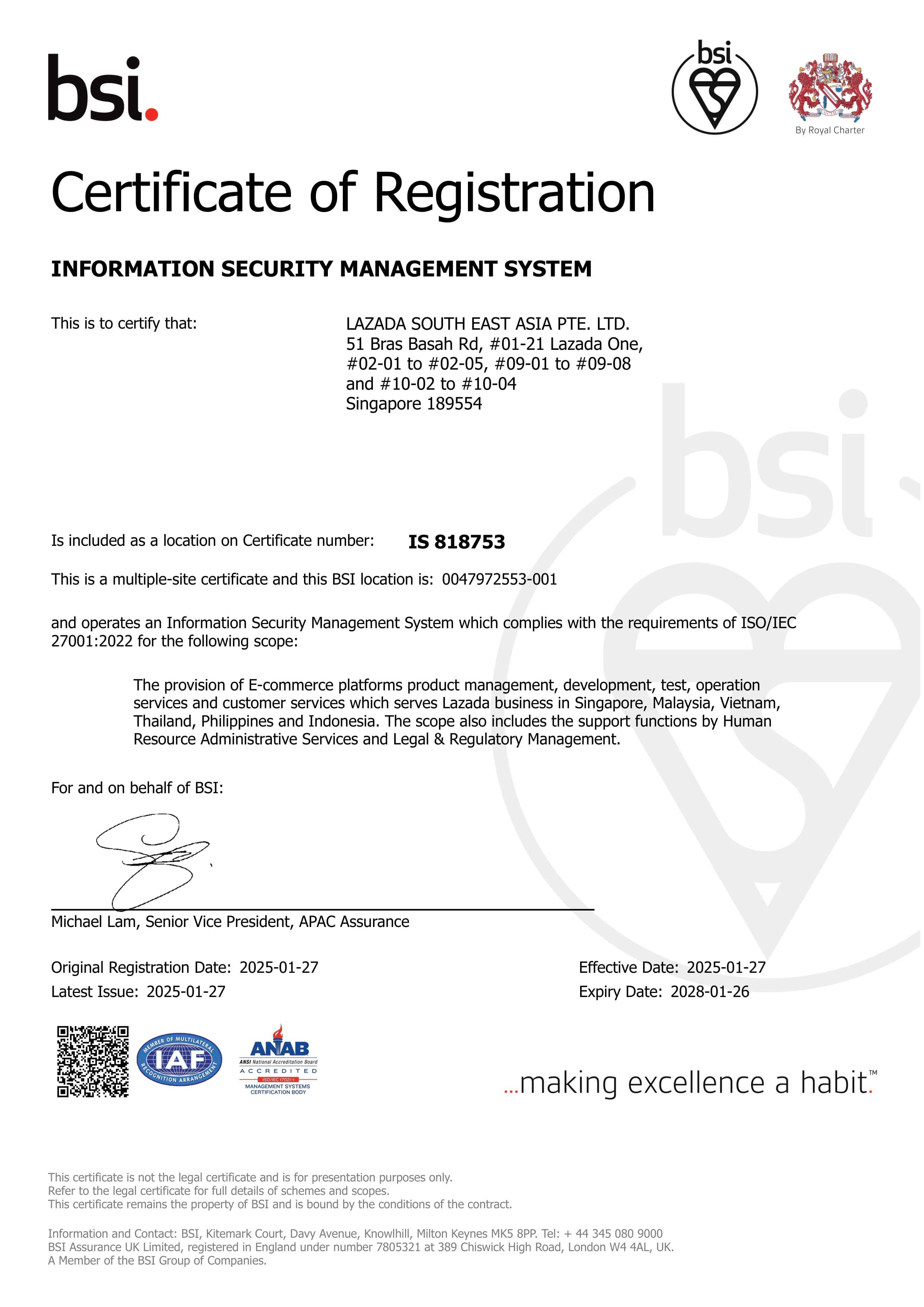


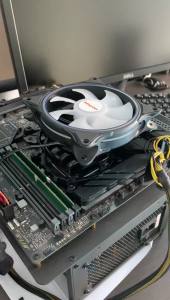
Double Copper Tube CPU Fan Desktop Computer Luminous Mute AMD Air-Cooled cpu Radiator

Double Copper Tube CPU Fan Desktop Computer Luminous Mute AMD Air-Cooled cpu Radiator
Product ParameterProduct Size95x65x130mm(single fan)95x88x130mm(Double fans)Number of Heat Pipes:2 Copper PipesWeight290±3%g(Single Fan)385±3%g(Dual Fan)Number of Fins:35 finsSupported Platforms:Intel/AMDMaterial:Copper, Aluminum, ABSFan Size:90x90x25mmRated Voltage:12VFan speed:1800±10%RPMRated current:0.2±10%AFan Airflow:48±10%CFMRated Power:2.4±10%WFan Noise:20±10%dB(A)Connector Type:3PINBearing Type:Hydraulic BearingLife expectancy:50000h*Due to the different measurement tools and measurement methods, as well as the influence of different use of environmental factors, the data has a certain degree of error, subject to the actual received.

GSE PH
Seller ratings 92%
Review

Oops
This video has no reviews.
You May Also Like
00:16
MOUGOL X99 Gaming Motherboard Kit with Intel Xeon E5 2680 V4 & DDR4 8Gx2 2133MHz Dual Channel ECC RAM M.2 NVME for Desktop PC
00:30
Thermalright | Thermalright HR-SCV-2 GPU Mounting Bracket for Desktop Computer Graphics Card Anti-Vibration Pad Support Frame 8.5-109mm

00:18
YGT 120mm RGB Case Fan Double Ring LED Rainbow Computer Case Fan Cooling Fan Components
00:18
4 Heatpipes CPU Cooler 120MM Air Cooling CPU Radiator for Intel LGA 1366 1155 1150 1151 1156 1200 1700 2011 X79 X99 AM3 AM4 AM5
00:24
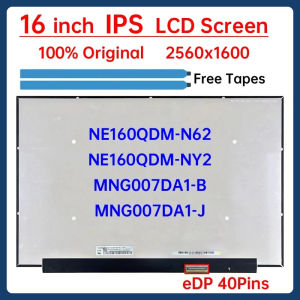
16 inch IPS LCD Screen for Lenovo ideapad 5 Pro 16IAH7 16ARH7 Display Matrix Panel NE160QDM-N62 NE160QDM-NY2 MNG007DA1-B MNG007DA1-J 2560x1600 eDP 40Pins Free Tapes

00:38
Mx-4 Thermal Paste. High Performance Thermal Paste for CPU and GPU.

00:32
220V Incubator Blower Fan Automatic Circulation Cooling Fan Ventilation Exhaust Fan for Egg Incubator Parts and Accessories
00:58
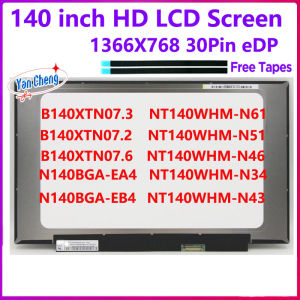
14 Inch Laptop LCD Scree B140XTN07.3 B140XTN07.2 07.6 NT140WHM-N46 N34 N43 N51 N61 N140BGA-EB4 N140BGA-EA4 1366x768 30 Pins EDP
00:42
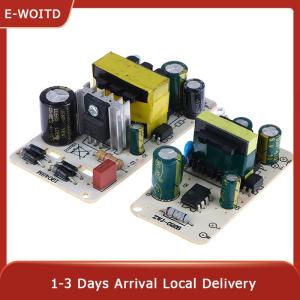
E-WOITD AC 100-240V to DC 12V 1 2 2.5 3A Switching Power Supply Module Bare Circuit

00:15
DDR2 RAM 2GB 800MHz Laptop Memory SODIMM PC2-6400S 204Pin 1.8V Notebook RAM Upgrade Compatible with Notebook Computer
00:45
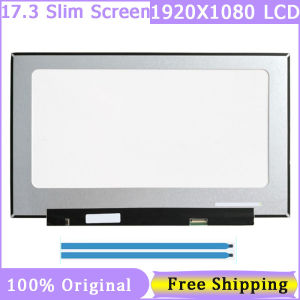
17.3 Inch Slim 30 Pin Laptop Screen NV173FHM-N49 Fit NV173FHM-N4k N4G N4C N4F B173HAN04.8 1920x1080 FHD IPS LCD Display Panel
00:29
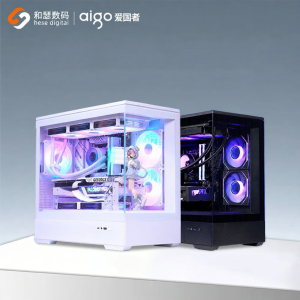
Aigo | Showcase Design Tempered Glass Side MATX Case
Hot Search
1.2kg Organic Pumpkin Seeds ready to eat unsalted roasted Portable healthy nuts snacks Officeluggage handle replacement elleCACAZI A10 Wireless Doorbell 60 Chime 300M Remote Range Waterproof door bell US Plug AC 100-240V for Home Officewall cabinet hanging woodengermany traditional costumeipad mini 5work quotes motivationdriving shoes for womenhair clip for short haire700 fabric gluechrome door handle for chevrolet aveolandlite led st5 18w byelection campaign t shirt with printstandard ribbon for bundy clockcookie poms