


How to Choose & Plant PAKCHOI & BOKCHOI Seeds
How to Choose & Plant PAKCHOI & BOKCHOI Seeds
Understanding PAKCHOI & BOKCHOI Seeds
What Are PAKCHOI & BOKCHOI?
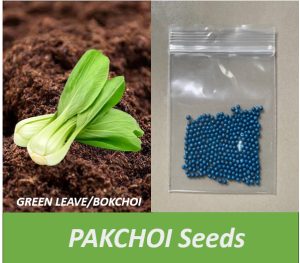
Pak Choi and Bok Choy, also known as Chinese cabbage, are leafy green vegetables that belong to the Brassica family. These versatile vegetables are popular in Asian cuisine and are known for their mild, sweet flavor and tender texture. They are rich in vitamins, minerals, and antioxidants, making them a nutritious addition to any diet.
Where Can You Find Organic PAKCHOI & BOKCHOI Seeds?
Organic Pak Choi and Bok Choy seeds can be found at local garden centers, online seed retailers, and specialty stores. Look for reputable sources that offer high-quality, non-GMO, and organic seeds to ensure the best results in your garden.
Preparing Your Garden for PAKCHOI & BOKCHOI Seeds
Soil Requirements for Growing PAKCHOI & BOKCHOI
Pak Choi and Bok Choy thrive in well-draining soil that is rich in organic matter. Prepare your garden bed by loosening the soil to a depth of at least 8 inches and incorporating compost or aged manure to improve fertility and drainage. Maintain a slightly acidic to neutral pH level of 6.0 to 7.5.
Ideal Climate Conditions for PAKCHOI & BOKCHOI Growth
Pak Choi and Bok Choy prefer cool temperatures and partial shade. They can tolerate light frost, making them suitable for spring and fall planting in most regions. Avoid planting during hot summer months, as excessive heat can cause the plants to bolt and become bitter.
Planting PAKCHOI & BOKCHOI Seeds
Steps to Plant PAKCHOI & BOKCHOI Seeds
- Sow seeds directly in the garden after the last frost date or start them indoors 4 to 6 weeks before transplanting.
- Plant seeds 1/4 inch deep and 1 inch apart in rows spaced 12 to 18 inches apart.
- Water gently after planting and keep the soil consistently moist.
- Thin seedlings to 6 inches apart once they reach 2 inches tall.
Tips for Successful Germination of PAKCHOI & BOKCHOI Seeds
- Soak seeds overnight before planting to speed up germination.
- Maintain consistent soil moisture during the germination process.
- Provide partial shade to protect young seedlings from intense sunlight.
Caring for PAKCHOI & BOKCHOI Plants
Watering & Fertilizing Techniques for PAKCHOI & BOKCHOI
Water Pak Choi and Bok Choy plants regularly, keeping the soil consistently moist but not waterlogged. Avoid overhead watering to prevent fungal diseases. Feed plants every 4 to 6 weeks with a balanced, organic fertilizer to promote healthy growth.
Common Pests & Diseases Affecting PAKCHOI & BOKCHOI Plants
Pak Choi and Bok Choy plants may be susceptible to pests like aphids, flea beetles, and cabbage worms. Monitor plants regularly and treat infestations promptly with insecticidal soap or neem oil. Common diseases include downy mildew, powdery mildew, and bacterial leaf spot. Prevent these issues by maintaining good air circulation and avoiding overhead watering.
Harvesting & Storing PAKCHOI & BOKCHOI
When Is the Right Time to Harvest PAKCHOI & BOKCHOI?
Harvest Pak Choi and Bok Choy when the leaves are firm and about 6 to 8 inches tall. Cut the plants at the base, leaving a few inches of stem attached to encourage regrowth. For a continuous harvest, sow seeds every 2 to 3 weeks throughout the growing season.
Proper Storage Methods for Fresh PAKCHOI & BOKCHOI
Store harvested Pak Choi and Bok Choy in a plastic bag in the refrigerator crisper drawer for up to 1 week. For longer storage, blanch the leaves in boiling water for 2 minutes, then plunge them into ice water to stop the cooking process. Drain and freeze the leaves in airtight containers for up to 6 months.

GardeningSeeds
Review

You May Also Like
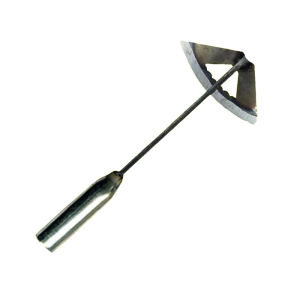
LoviRa Hollow Hoe Durable Weeding Rake Handheld Hoeing Garden Pine Soil Farm Tool Weeding Tools
![[COD] jiameitan 100 Pcs Soilless Hydroponic Vegetables Nursery Sponge Culture Water Planting](https://img.lazcdn.com/g/p/07950a4ced03b347b725058ede580d3d.jpg_300x300q80.jpg)
[COD] jiameitan 100 Pcs Soilless Hydroponic Vegetables Nursery Sponge Culture Water Planting
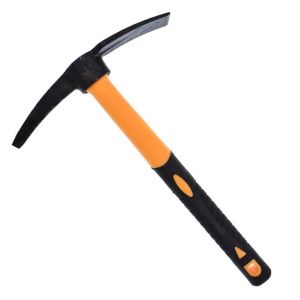
Gardening Removable Dual-Purpose Hoe: A Versatile Tool for Every Adventure
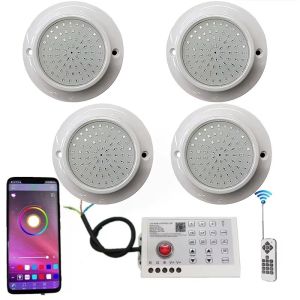
Bluetooth APP Control RGB LED Pool Light 12W 85-265V Outdoor Underwater Light Fountain Landscape L

Cartoon Nativity Manger Scene Resins Miniature Figurines Christmas Tabletop Decors Ornament For Home Church Celebration
10PCS Plastic Flower Pot Plant Tray Indoor And Outdoor Decoration Plant Flower Pot Tray
Winter plant warm mulch tree shrub plant protection bag garden plant frost protection cold protection bag
Sunrichh Handheld Electric Lawn Mower & Mini Weed Trimmer: A Comprehensive Guide
4Pcs Durable Clutch Drum Roller Bearing for Steele 017 018 021 MS170 MS180 MS210 MS210 MS230
Small Garden Rechargeable Weeder & Lithium Battery Lawn Mower: A Guide for Home Use
Organic Eco-Friendly Coconut Peat Compressed Coco Bricks Fiber Block Natural Soil(500g*4)