


Blind Cane: An Essential Accessibility Tool & Travel Aid
Blind Cane: An Essential Accessibility Tool & Travel Aid
A blind cane, also known as a white cane or walking stick, is an essential accessibility tool and travel aid for visually impaired individuals. This article will explore the key features and benefits of a blind cane, how it helps visually impaired individuals, choosing the right blind cane, using it effectively, and enhancing accessibility with a blind cane.
What is a Blind Cane?
A blind cane is a portable walking stick designed specifically for individuals with visual impairments. It serves as an assistive mobility device, helping users navigate their surroundings safely and confidently.
Key Features & Benefits
The key features of a blind cane include:
- Lightweight and durable design
- Reflective material for increased visibility
- Adjustable length to accommodate different heights
- Comfortable grip for easy handling
Benefits of using a blind cane include:
- Increased independence and confidence when traveling
- Enhanced safety and reduced risk of accidents
- Improved awareness of the environment
How It Helps Visually Impaired Individuals
A blind cane helps visually impaired individuals by providing tactile feedback about their surroundings. By tapping the ground in front of them, users can detect obstacles, changes in elevation, and other potential hazards. This allows them to navigate safely and confidently, even in unfamiliar environments.
Choosing the Right Blind Cane
Selecting the right blind cane is crucial for maximizing its effectiveness. Consider the following factors when choosing a walking stick:
- Material: Choose a lightweight yet durable material, such as aluminum or carbon fiber.
- Length: Ensure the cane is adjustable to accommodate different heights.
- Grip: Opt for a comfortable grip that provides a secure hold.
- Reflective material: Choose a cane with reflective material for increased visibility.
Some top brands and models to consider include:
- Alvis White Cane
- Long cane by Freedom Scientific
- Tactile Traveler Cane by Humanware
Using a Blind Cane Effectively
To use a blind cane effectively, it's essential to learn proper techniques for safe and confident travel. Some tips include:
- Hold the cane at a comfortable angle, with the tip touching the ground in front of you.
- Move the cane in a sweeping motion, covering a wide area in front of you.
- Listen for sounds that may indicate potential hazards, such as traffic or uneven surfaces.
Maintaining your assistive mobility device is also crucial for ensuring its longevity and effectiveness. Regularly check for wear and tear, clean the cane, and replace any damaged parts as needed.
Enhancing Accessibility with a Blind Cane
Using a blind cane can significantly improve independence and quality of life for visually impaired individuals. By integrating the blind cane with other assistive technologies, users can further enhance their accessibility and confidence when traveling.
Some assistive technologies that complement the use of a blind cane include:
- GPS navigation apps
- Audio guides and descriptions
- Smart canes with built-in sensors and connectivity features
By combining these technologies with a blind cane, visually impaired individuals can navigate their surroundings more effectively and confidently, leading to a better quality of life.

JPM Medical Trading

Review

You May Also Like
【Buy 1 Take 1】Pure Form S-Acetyl Glutathione 90 Capsules No
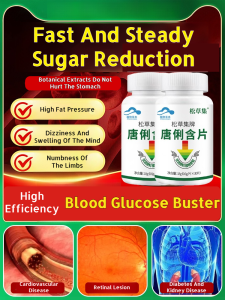
Blood Sugar Support Chewable Tablets Natural Glucose Control Supplement Health Management Plant-Based Formula Herbal Balance Capsules

Alingatong Roots with Corn Coffee 20 teabags– Herbal Detox Drink for Kidney Heart & Wellness

1 Kilogram Organic Turmeric Powder - All Natural Turmeric Curcumin (Luyang Dilaw) Powder
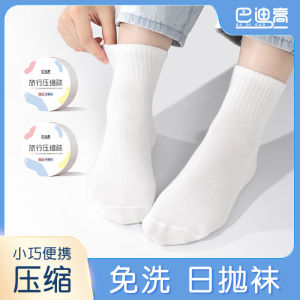
Buddy High Disposable Socks Summer Thin Mens and Womens Compression Knee Socks Short Cotton Socks Black and White Breathable Travel Daily Disposable

Warts Remover Pure Kasoy Cream Warts Remover Original Mole Remover Kulogo Buni Removal Warts Removal Pangtanggal Kulogo Buni An An Nunal Mole Milia Syringoma/Skin Care
Calf Stretcher with Angled Platform Perfect for Foot Alignment Muscle Recovery and Sports Therapy
Milk Thistle Ginseng And Buddha s Hand Liver Protection Patch A Liver Nourishing And Cleansing Supplement水飞蓟人参佛手护肝贴
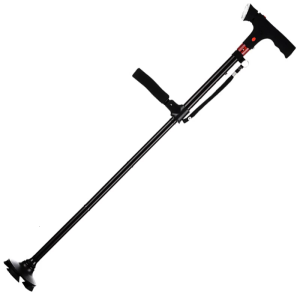
Folding Aluminum Walking Canes Compacts Folding Regulable Height Antislip Tip for Daily Support
【FDA Approved】 Weekit7 Acai BerryPowder Natural Mixed Berry Powder PackOf7 0rganic Fruit Yogur
Portable Medicine Cutter Device Half Third Fourth Splitter Pill Box Handy Plastic Medicine Slicer Tool Made in China