


25x25x25 Rock Wool Blocks: A Guide to Soilless Cultivation Planting Materials
25x25x25 Rock Wool Blocks: A Guide to Soilless Cultivation Planting Materials
What Are Rock Wool Blocks?
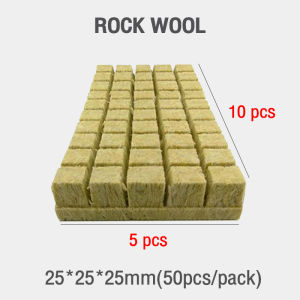
Rock wool blocks are a popular seedling growing medium used in soilless cultivation. These blocks, made from spun basalt and slag, provide a stable environment for vegetable seeds to germinate and grow.
The Basics of Rock Wool
Rock wool, also known as stone wool, is a man-made mineral fiber insulation material derived from natural basalt rock and recycled slag. In agriculture, rock wool serves as a hydroponic growing medium, offering excellent water retention and aeration.
Benefits of Rock Wool for Seedling Growing Medium
Using rock wool blocks as a seedling growing medium offers numerous advantages over traditional soil-based methods. Some benefits include:
-
Superior Water Retention: Rock wool effectively holds moisture, allowing plants to absorb water as needed.
-
Excellent Aeration: The porous nature of rock wool promotes air circulation around plant roots, leading to healthy growth.
-
Disease-Free Environment: Since rock wool is a sterile medium, it minimizes the risk of soil-borne diseases affecting seedlings.
-
Easy Transplantation: Rock wool blocks can be easily transplanted into larger containers or directly into the ground, reducing root disturbance and promoting faster growth.
Comparison with Traditional Soil-Based Methods
Compared to traditional soil-based methods, rock wool blocks offer several advantages:
-
Reduced Weeding: As rock wool is a sterile medium, there is no need for weeding, saving time and effort.
-
Consistent pH Levels: Rock wool maintains consistent pH levels, ensuring optimal nutrient uptake by plants.
-
Water Efficiency: Rock wool's superior water retention reduces water usage compared to traditional soil-based methods.
How to Use Rock Wool Blocks for Vegetable Seedling Growth
Follow these steps to successfully grow vegetable seedlings using rock wool blocks:
Preparing the Rock Wool Blocks
Before planting vegetable seeds, soak the rock wool blocks in a nutrient solution to ensure proper hydration. This step helps activate the blocks' water retention properties and provides essential nutrients for seedling growth.
Planting Vegetable Seeds in Rock Wool Blocks
Plant vegetable seeds according to the recommended depth and spacing guidelines. Cover the seeds with a thin layer of rock wool or a suitable cover material to maintain moisture levels.
Caring for Seedlings Grown in Rock Wool Blocks
Monitor the seedlings' growth and adjust the nutrient solution as needed. Ensure proper lighting, temperature, and humidity levels to promote healthy development. Regularly check for pests and diseases, taking appropriate action if necessary.
Advantages of Agricultural Rock Wool in Gardening
Agricultural rock wool offers several benefits for gardening, including:
Environmental Benefits of Rock Wool
Rock wool is a sustainable and eco-friendly alternative to traditional soil-based methods. Its production process consumes less energy than other growing mediums, making it an environmentally friendly choice.
Cost-Efficiency of Rock Wool for Gardening
Using rock wool blocks can lead to cost savings in gardening by reducing water usage, minimizing the need for fertilizers, and lowering labor costs associated with weeding and pest control.
Rock Wool's Role in Sustainable Agriculture
As a soilless cultivation method, rock wool supports sustainable agriculture practices by conserving resources, reducing waste, and promoting efficient use of land and water.
Choosing the Right Rock Wool Blocks for Your Needs
When selecting rock wool blocks, consider the following factors:
Factors to Consider When Selecting Rock Wool Blocks
-
Block Size: Choose the appropriate block size based on the type of vegetable being grown.
-
Density: Opt for a block density that suits the specific needs of your plants.
-
pH Level: Select rock wool blocks with a pH level compatible with the desired vegetables.
Recommended Rock Wool Block Sizes for Different Vegetables
Different vegetables require varying block sizes for optimal growth. Consult the manufacturer's guidelines or consult a gardening expert for recommendations tailored to your specific needs.
Tips for Storing and Handling Rock Wool Blocks
Store rock wool blocks in a cool, dry place away from direct sunlight. Handle the blocks carefully to avoid damaging the fibers, which could affect their performance as a growing medium.

FIELD 1
Review
You May Also Like
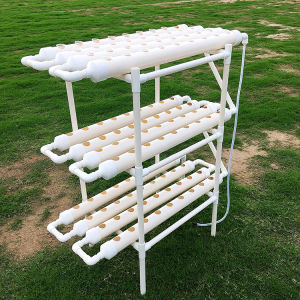
【1-3 Days Delivery】DEKES Hydroponics NFT System with 108 Holes Kits Vertical Hydroponic Growing Systems PVC Tube
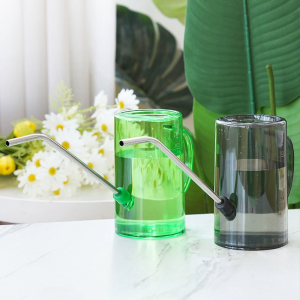
Long Spout Watering Can 1L Gardening Tool Sprinkler for Indoor Outdoor Garden Patio Plants Flowers Transparent Water Pot

Bug Catcher for Kids Quick Release Insect Catching Tool Humane Insect Observer with Clear Window Contactless Bug Catch
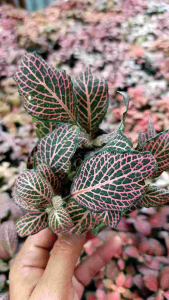
Fittonia: A Decorative Foliage Plant for Easy Indoor Gardening
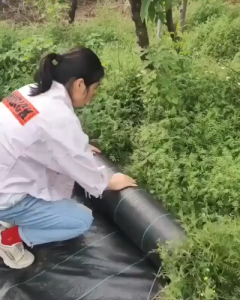
50M Garden Weed Barrier Fabric High Density Woven Landscape Fabric Premium Heavy Duty Weed Mat Fabric Weed Blocker Fabric
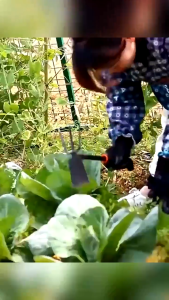
Garden shovel gardening tool set with non slip rubber handle suitable for transplanting weeding digging and planting work: shovel rake hoe.
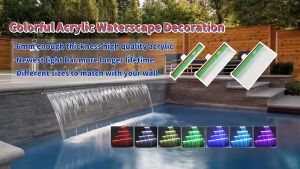
30-120cm Swimming Pool Waterfall Spillway & Garden Decor: A Comprehensive Guide
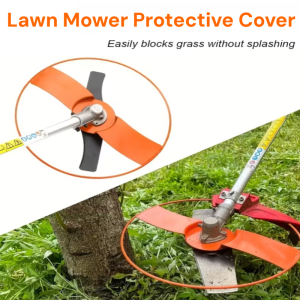
Lawn Mower Cover Grass Trimmer Cover Thickened Protective Lid For Seedling Protection
![[Creative] Vintage Iron Flower Pot Desktop Flower Vase Plant Flowerpot Balcony Plant Bucket](https://img.lazcdn.com/g/p/ba0f320375bdff2d89e3218ec7b53cfc.jpg_300x300q80.jpg)
[Creative] Vintage Iron Flower Pot Desktop Flower Vase Plant Flowerpot Balcony Plant Bucket

1/2/3-Outlet Smart Water Timer Intelligent Automatic Irrigation Watering System Sprinkler Timer Garden Programmer LCD Display
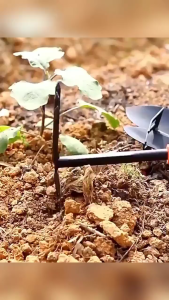
【1-3 Days Delivery】Shovel Pointed/Fla/Spade Pala Shovel Metal Shovel Gardening Tools for weeding Shovel with Handle