


How to Choose and Use Digital Camera Sensor Cleaners & Accessories
How to Choose and Use Digital Camera Sensor Cleaners & Accessories
Understanding APS-C Sensors & CMOS Sensors
What are APS-C Sensors & CMOS Sensors?
APS-C sensors are a type of digital camera sensor that is smaller than a full-frame sensor, typically measuring around 22mm x 15mm. They are commonly found in entry-level and mid-range DSLR cameras. CMOS sensors, on the other hand, are a type of image sensor technology used in digital cameras. They are known for their low power consumption and high speed, making them ideal for use in DSLR cameras.
Key Differences & Similarities
APS-C sensors and CMOS sensors share some similarities, such as being used in digital cameras. However, they differ in terms of size, resolution, and sensitivity. APS-C sensors tend to have lower resolution and sensitivity compared to CMOS sensors, but they are more affordable and easier to manufacture.
Why Proper Cleaning is Crucial
Proper cleaning of APS-C and CMOS sensors is crucial to maintaining optimal camera performance and image quality. Dust, dirt, and other debris can accumulate on the sensor over time, leading to image artifacts and reduced image quality. Regular cleaning can help prevent these issues and extend the lifespan of your camera.
Essential Camera Cleaning Accessories
CCD Sensor Cleaning Swabs
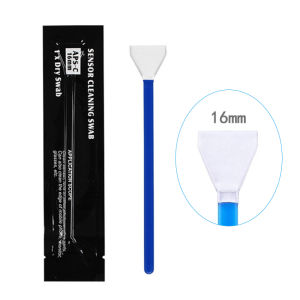
CCD sensor cleaning swabs are an essential accessory for maintaining camera cleanliness. They are designed to gently clean the sensor surface without damaging it. Look for swabs made of soft, non-abrasive material, such as foam or microfiber, and avoid using harsh chemicals or abrasive materials.
Lens Cleaning Brush
A lens cleaning brush is another important accessory for maintaining camera cleanliness. It is designed to remove dust and debris from the lens surface without scratching it. Look for brushes with soft bristles and avoid using abrasive materials or harsh chemicals.
Other Important Accessories
Other important accessories for maintaining camera cleanliness include a blower, a cleaning solution, and a microfiber cloth. A blower can be used to remove loose dust and debris from the sensor and lens surfaces. A cleaning solution can be used to remove stubborn dirt and grime. A microfiber cloth can be used to gently wipe the sensor and lens surfaces without scratching them.
Fast Delivery & Quality Assurance
Local Supplier & Warranty
When purchasing camera cleaning accessories, it is important to choose a reputable supplier with a good warranty policy. Look for suppliers who offer fast delivery and quality assurance, such as a local supplier with a 3-month warranty.
Delivery Time & Areas
Delivery time and areas vary depending on the supplier and location. For example, fast delivery takes 1-2 days to arrive in NCR and 2-5 days to arrive in other areas.
Proper Usage & Maintenance
How to Clean APS-C Sensors & CMOS Sensors
To clean APS-C sensors and CMOS sensors, first turn off the camera and remove the lens. Use a blower to remove loose dust and debris from the sensor surface. Then, use a CCD sensor cleaning swab to gently clean the sensor surface without damaging it. Finally, use a microfiber cloth to wipe the sensor surface dry.
Tips for Maintaining Camera Cleanliness
To maintain camera cleanliness, avoid touching the sensor and lens surfaces with your fingers. Store your camera in a clean, dry place when not in use. Regularly clean your camera using the accessories mentioned above.
Preventative Measures & Best Practices
Preventative measures and best practices for maintaining camera cleanliness include avoiding dusty environments, using a camera cover or bag, and regularly cleaning your camera. By following these guidelines, you can extend the lifespan of your camera and maintain optimal image quality.

Home Improvement
Review

You May Also Like

Dark Cartoon OPPO Phone Case with Strap Slant Crossbody Stand Protective Shell Cute Girl Heart ACE2 Cartoon Support Best Friend Protector
Miyabi Xiaomi 17 pro Phone Case Soft Touch Anime Ver. WeiRuiTie 17Promax Shell MIUI New Model Matte Finish Sensation Cover
Lokei Magnet Round Magnetic Steel Temperature Limiter Rice Cooker Thermostat

For Infinix Smart 9 8 7 5 Hot 9 10 11 Play 30 30i 40i 50i 10s 11s NFC Note 12 30 40 Zero 30 X Neo 5G 2023 GT 20 Pro Tecno Spark 10 10C 20 20C 30C GO 1 2023 2024 Pova 5 6 Camon 20 30 Pro 4G 5G High Definition Clear Tempered Glass Screen Protector
Flexible Silicone Hemmer Hot Pressing Fabric Hemmer Quilting Hemming Aid For Sewing Craft Curtain Bedding Clothing
Portable CO2 Regulator 0-90PSI with Plastic and Metal Construction Gas Regulator Present for Home Brewing Enthusiasts
Casing For Xiaomi 15 T Pro 15T Xiaomi15T Pro 15TPro 15T Transparent Case Soft Shining Shockproof Glitter Back Cover
Spin Dryer Motor Small Gap +5uf Capacitor
Fall Winter Embroidered West Highland Terrier Dog iPhone 16 pro Max Apple 17 Case Denim Fabric 11 12 13 Female Model 14 plus Anti-Fall Cover
Protective Frame for Insta360 X3 Accessories PC Hard Housing Case for Insta360 X3 Camera Durable Frame With Cold Shoe Mount
Mobile Phone Tablet Holder: A Flexible Long Arm Stand & Universal Bracket