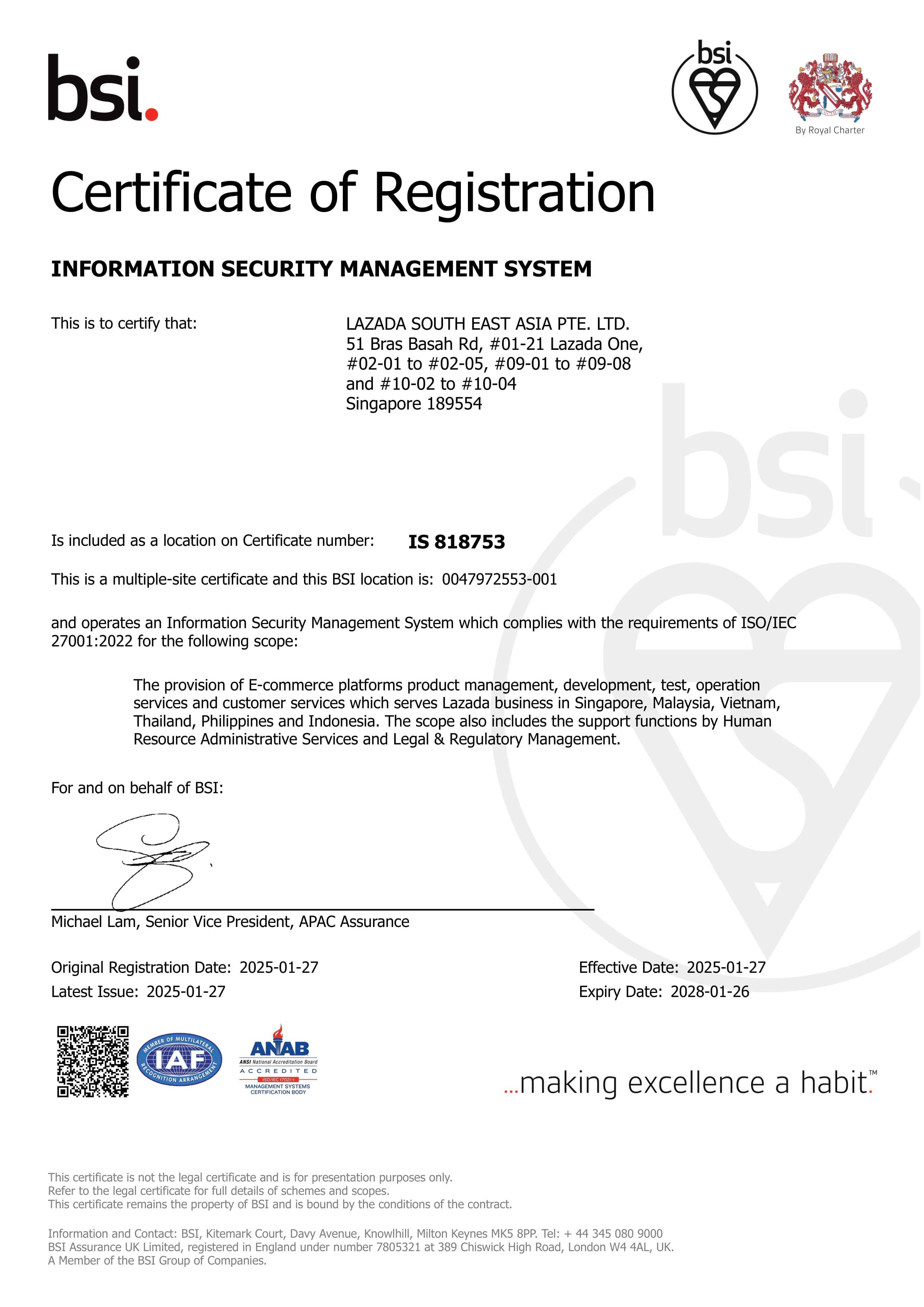



CRYOTUBE (NON STERILE FREE STANDING)
CRYOTUBE (NON STERILE FREE STANDING)
What is a Cryogenic Storage Container?
Cryogenic storage containers are essential equipment used in various industries, including biotechnology, pharmaceuticals, and research laboratories, to preserve biological samples, reagents, and other sensitive materials at extremely low temperatures. These containers maintain cryogenic temperatures, typically below -130°C (-202°F), to ensure the long-term viability and integrity of stored samples.
Cryogenic Sample Storage: An Overview
Cryogenic sample storage involves preserving biological specimens, such as cells, tissues, and DNA, at ultra-low temperatures to prevent degradation and maintain their viability. This method is widely used in research, biobanking, and clinical applications, where long-term sample preservation is crucial.
Types of Cryogenic Storage Containers
Cryogenic storage containers come in various forms, including dewars, cryo tanks, and cryotubes. Non-sterile free-standing cryotubes, the focus of this article, are commonly used in laboratories and research facilities due to their cost-effectiveness, ease of use, and wide range of applications.
How to Choose the Right Non-Sterile Cryotube
Selecting the appropriate non-sterile cryotube is essential for optimal sample storage and retrieval. Here are some factors to consider when choosing a cryotube:
Key Features of Non-Sterile Free Standing Cryotubes
- Capacity: Cryotubes come in various sizes, from small vials to large tubes, depending on the volume of samples being stored.
- Material: Non-sterile cryotubes are typically made from durable materials such as polypropylene, which can withstand extreme temperatures and provide excellent chemical resistance.
- Closure: Cryotubes can be sealed with screw caps, snap caps, or rubber stoppers, depending on the application and desired level of security.
Factors to Consider When Selecting a Cryotube
- Sample Type: Consider the type of sample being stored, as some materials may require specific cryotube designs or materials.
- Storage Conditions: Evaluate the storage environment, including temperature and humidity, to ensure the chosen cryotube can withstand these conditions.
- Retrieval Frequency: Determine how often samples will be retrieved from storage, as this may impact the choice of cryotube type and closure mechanism.
How to Properly Use Non-Sterile Cryotubes
Proper handling and storage of non-sterile cryotubes are crucial for maintaining sample integrity and preventing contamination. Follow these guidelines to ensure optimal performance:
Handling and Storing Cryotubes Safely
- Wear appropriate personal protective equipment (PPE), such as gloves and safety glasses, when handling cryotubes.
- Label cryotubes clearly with sample identification, date, and other relevant information.
- Store cryotubes in a designated cryogenic storage container, such as a dewar or cryo tank, at the appropriate temperature.
Tips for Maintaining Optimal Performance
- Regularly inspect cryotubes for signs of damage or wear, replacing them as needed.
- Follow manufacturer guidelines for cleaning and sterilizing cryotubes, if necessary.
- Monitor storage conditions, including temperature and humidity, to ensure optimal sample preservation.
Advantages of Non-Sterile Free Standing Cryotubes
Non-sterile free-standing cryotubes offer several benefits, making them a popular choice among researchers and laboratory professionals.
Cost-Effective Cryotube Solutions
Non-sterile cryotubes are generally less expensive than sterile alternatives, allowing laboratories to save money on sample storage costs.
Easy-to-Use Design
With simple handling and storage requirements, non-sterile cryotubes are ideal for researchers and lab technicians who prioritize efficiency and convenience.
Wide Range of Applications
Non-sterile free-standing cryotubes are suitable for a variety of applications, including cell culture, tissue preservation, and DNA storage, making them a versatile addition to any laboratory.

LABOTECH TRADING
Review

You May Also Like
Kids toys for boys Preschool Educational toys drawing tablet for kids Erasable Pen Tracing Workbook

A3 Size CUYI Heat Press Machine Auto-open Drawer Type / Manual Clam Type Heavy Duty Heat Press

HERO Hero Pen 7006 Gold Clip Ballpoint Pen Signature Pen Silver Clip Bent Tip Art Pen Business Office Customizable Engraving #
Soft and Reusable Silicone Mold Keychain Making Supplies Suitable for Artistic Resin Bear and Rabbit Keychain Creation

Fast Shipping: Gold & Silver Embroidered Lace Patch Appliques for Baroque Wedding Dress Decoration
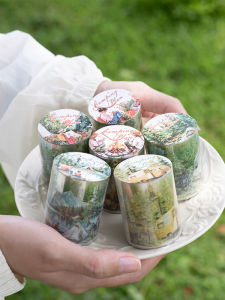
Seamless Waterproof Self-Adhesive Camping Plan Scrapbooking Tape Background Decoration Basic Sticker for Journaling

51-Piece Thanos Cartoon Graffiti Stickers Luggage Laptop Skateboard Fridge Decorative Stickers Digital Accessories Notebook Personalization
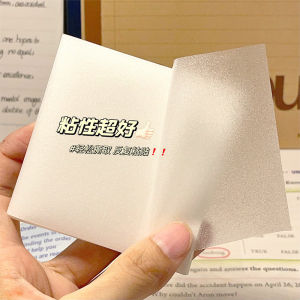
Transparent Plastic Sticky Notes Waterproof Class Notes Focus Marking Creative Large Size Student Supplies Learning Expansion Adhesive Textbook

10pcs Gold Plastic Trophies for Kids 4 Inch Mini Trophies for Sports Party Favors
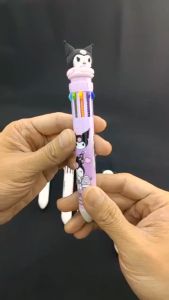
10 Colours Sanrio Ballpoint Pen 0.7mm Kuromi Cinnamoroll Student Writing Drawing Stationery Gift
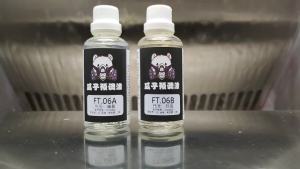
Pigment PAINT Lacquer Spray Coating Transparent Fluorescent Color No need for dilution Dreamy Oiliness 365NM Light FT.06