



Coconut Brick Soil: A Comprehensive Guide to Nutritious Plant Soil
Coconut Brick Soil: A Comprehensive Guide to Nutritious Plant Soil
Introduction to Coconut Brick Soil
What is Coconut Brick Soil?
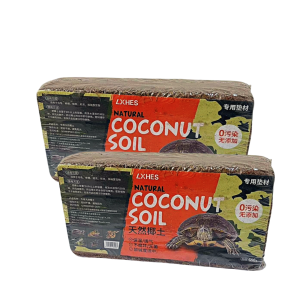
Coconut brick soil, also known as cocopeat block, is a compressed planting soil made from coconut husk fibers. It is an eco-friendly and sustainable alternative to traditional soil, offering numerous benefits for plant growth and health. This guide will provide you with a comprehensive understanding of coconut brick soil, its composition, advantages, and how to use it effectively.
Why Choose Coconut Brick Soil for Your Plants?
Coconut brick soil is an excellent choice for your plants due to its rich nutritional content, ability to retain moisture, and excellent drainage properties. It is ideal for both indoor and outdoor gardening, making it a versatile option for plant enthusiasts. By using coconut brick soil, you can ensure healthy growth and development for your plants while minimizing the risk of common issues like overwatering and nutrient deficiencies.
Understanding the Composition & Benefits
Nutritional Content of Coconut Brick Soil
Coconut brick soil is packed with essential nutrients that promote healthy plant growth. It is rich in organic matter, which helps to improve soil structure and fertility. Additionally, coconut brick soil contains trace minerals and beneficial microorganisms that enhance nutrient uptake and overall plant health.
Advantages of Using Compressed Planting Soil
Using compressed planting soil offers several advantages, including:
-
Improved water retention: Coconut brick soil can absorb and retain moisture, reducing the frequency of watering required for your plants.
-
Excellent drainage: The porous nature of coconut brick soil ensures proper drainage, preventing root rot and other water-related issues.
-
Eco-friendly and sustainable: Coconut brick soil is made from renewable resources, making it an environmentally friendly choice for gardening.
-
Versatile: Suitable for a wide range of plants, both indoor and outdoor.
How to Use Coconut Brick Soil
Steps to Prepare Cocopeat Block for Planting
Follow these steps to prepare your cocopeat block for planting:
-
Soak the cocopeat block in water until it expands to its full size.
-
Break the expanded cocopeat block into smaller pieces, if necessary, to fill your desired container.
-
Mix the cocopeat block with other organic materials, such as compost or worm castings, to further enhance its nutritional content.
-
Plant your seeds or seedlings directly into the prepared coconut brick soil.
Proper Watering Techniques for Optimal Growth
To ensure optimal growth and health for your plants, follow these watering techniques:
-
Water your plants deeply and infrequently, allowing the top inch of soil to dry out between waterings.
-
Avoid overwatering, which can lead to root rot and other issues.
-
Monitor your plants' moisture needs and adjust watering frequency accordingly.
Maintaining Healthy Plants with Coconut Brick Soil
Tips for Fertilizing and Feeding Your Plants
To maintain healthy plants using coconut brick soil, consider the following fertilizing and feeding tips:
-
Use a balanced, water-soluble fertilizer every 4-6 weeks during the growing season.
-
Incorporate organic matter, such as compost or worm castings, into your coconut brick soil to provide a slow-release source of nutrients.
-
Monitor your plants' nutrient requirements and adjust fertilization accordingly.
Troubleshooting Common Issues with Coconut Brick Soil
Despite its many advantages, coconut brick soil may occasionally encounter issues. Here are some common problems and solutions:
-
Overwatering: Reduce watering frequency and ensure proper drainage to prevent root rot.
-
Nutrient deficiencies: Address nutrient deficiencies by incorporating organic matter or using a balanced fertilizer.
-
Pests and diseases: Monitor your plants regularly and address any pest or disease issues promptly.
By following these guidelines, you can successfully use coconut brick soil to grow healthy, thriving plants. Remember to always prioritize proper watering techniques, fertilizing practices, and monitoring for potential issues to maintain optimal plant health.

Mesa Center
You May Also Like
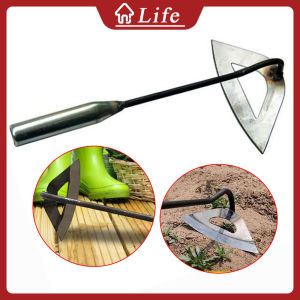
Durable Steel Hardened Hollow Hoe Multifunctional Triangular Arc Weeding Rake Digging Hoe Weeding Rake Planting Vegetables Farm Hand-hold Gardening Shovel
A Comprehensive Guide to Car Wash Water Guns & Plastic Pipes

100㎡ effectivecat repellant ultrasonic cat repellent device
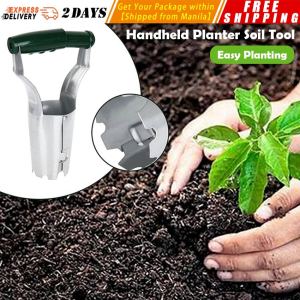
Garden Bulb Planter Hole Digger Fertilizing Seedling Extractor Cultivator Flower Vegetables Planting Tool Gardening Hand Tools LZC-Planter-Tool
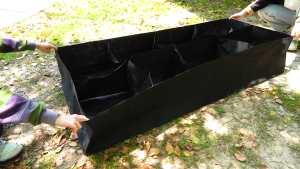
Rectangular Planting Bag Felt For Vegetables Flowers Raised Garden Bed 4/8 Pockets Multi-grid Square Plant Grow Bags

Adjustable Brush Cutter Shoulder Strap Grass Trimmer Heavy Duty Single Harness Belt Black Lawn Mower Accessories Spare Parts
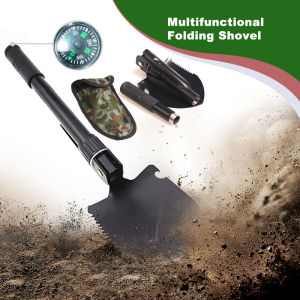
Multifunctional Folding Shovel Garden Tools Camping Mini Telescopic Snow Scraper Foldable Agricultural Military Survival Spade
Repotting Mat for Indoor Plant Transplanting and Mess Control Thickened Waterproof Potting Tray Foldable Succulent Potting Mat Portable Gardening Mat

⭐【LazTop Seller】🦟3 seconds to kill🦟flies repellent spray Fly Killer Spray insect killer 500g mosquitero killer mosquito repellant fly trap mosquito trap cockroach eliminator flies repellent termites killer solution 306A-ZJJ-Plant-Insecticide
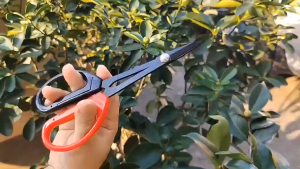
Grape Pruning Scissors Stainless Steel Long Pointed Garden Scissors Gardening Tools
Yellow Habanero: A Guide to the World's Hottest Pepper