


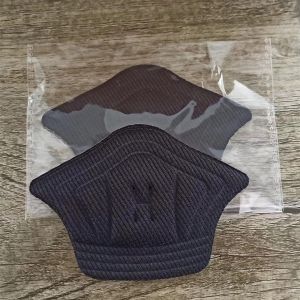
Adjust Shoe Size Heel Pad Anti-Slip Anti-Friction by Pair Anti-Dropping Cushion
Adjust Shoe Size Heel Pad Anti-Slip Anti-Friction by Pair Anti-Dropping Cushion
Introduction
Are you tired of ill-fitting shoes causing discomfort and pain? Do you struggle with finding the perfect pair of shoes that fit just right? Look no further! Adjustable shoe size heel pads are here to save the day. In this comprehensive guide, we will explore the benefits of adjustable shoe size heel pads, how to select the right pair, and step-by-step instructions on installing and maintaining them. Say goodbye to foot pain and hello to comfort!
Understanding the Benefits of Adjustable Shoe Size Heel Pads
What Are Adjustable Shoe Size Heel Pads?
Adjustable shoe size heel pads are designed to provide comfortable heel support and anti-slip anti-friction protection. They are typically made of soft, flexible materials like foam or gel, and can be easily inserted into the heel area of your shoes. These pads are available in various sizes, allowing you to customize the fit of your shoes to your liking.
How Do They Improve Comfort & Support?
Adjustable shoe size heel pads offer several benefits, including:
- Customizable fit: By adjusting the size of the heel pad, you can achieve a perfect fit that feels just right.
- Improved comfort: The soft, cushioned material provides relief from pressure points and reduces the risk of blisters and other foot problems.
- Enhanced support: Heel pads help to stabilize your feet, reducing the risk of injury and providing better overall support.
- Anti-slip and anti-friction protection: The pads prevent slippage and friction, keeping your feet secure and comfortable throughout the day.
Selecting the Right Pair of Heel Pads
Factors to Consider When Choosing Heel Pads
When selecting adjustable shoe size heel pads, consider the following factors:
- Material: Choose a material that provides adequate cushioning and support while being lightweight and breathable.
- Size: Make sure the heel pad fits comfortably within your shoe, providing the desired level of support and stability.
- Compatibility: Ensure the heel pad is compatible with your shoe type, whether it be sneakers, boots, or dress shoes.
Comparing Different Types of Heel Pads
There are several types of adjustable shoe size heel pads available on the market, including:
- Foam heel pads: These are lightweight and provide excellent cushioning, making them ideal for everyday use.
- Gel heel pads: These offer superior shock absorption and are great for those who spend long hours on their feet.
- Memory foam heel pads: These conform to the shape of your foot, providing a customized fit and enhanced comfort.
Installing & Using Anti-Dropping Cushion & Anti-Slip Anti-Friction Pads
Step-by-Step Guide to Installing Heel Pads
Follow these simple steps to install adjustable shoe size heel pads:
- Remove any existing insoles from your shoes.
- Insert the heel pad into the heel area of your shoe, ensuring it fits snugly.
- Replace the insoles, if applicable.
- Test the fit and adjust the size of the heel pad as needed.
Tips for Maintaining & Replacing Heel Pads
To keep your adjustable shoe size heel pads in good condition, follow these tips:
- Clean the pads regularly using a damp cloth and mild soap.
- Allow the pads to air dry completely before reinserting them into your shoes.
- Replace the heel pads every six months or when they show signs of wear and tear.
Troubleshooting Common Issues with Adjustable Shoe Size Heel Pads
Addressing Pain or Discomfort
If you experience pain or discomfort while using adjustable shoe size heel pads, try the following solutions:
- Adjust the size of the heel pad to ensure a proper fit.
- Check for any sharp edges or protrusions on the heel pad that may be causing irritation.
- If the problem persists, consult a podiatrist or foot specialist for further guidance.
Dealing with Slippage or Instability
If you experience slippage or instability while wearing adjustable shoe size heel pads, try the following solutions:
- Ensure the heel pad is securely inserted into the heel area of your shoe.
- Check for any loose or damaged parts of the heel pad that may be causing instability.
- If the problem persists, consider replacing the heel pad with a new pair or consulting a professional for further advice.

ecowin
You May Also Like

Low Cut Sport Shoes For Women 2022 New Lady Fashion Sneakers Lace Up Comfort Black Rubber Shoes For Women
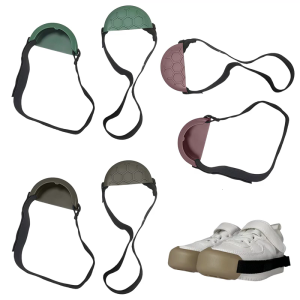
Universals Shockproof Shoe Accessories With Seamlessly Fit Technology for Daily Commuting and Sports
50 Pcs Embroidered Patches Pink Pig Nose Repair Patches Iron On Patches Applique Patches Sew On Patches for Clothes Bag
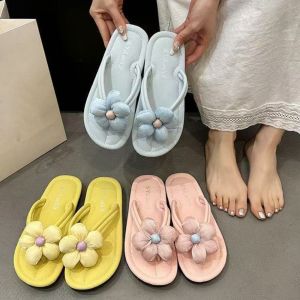
GUOMEN Anti Slip Beach Flip Flops Sweet Soft Sole Clip Toe Slippers Women Simple Outer Wear Shoes Flower Flip Flops Summer
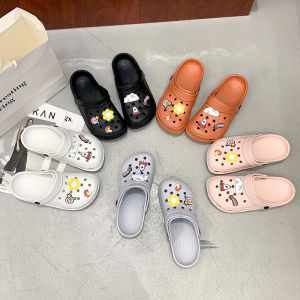
Womens Big Head Clog Shoes Adorable Thick Bottom Covered Toe Sandals Fashionable Anti-Slip Summer Beach Shoes Outdoor Wear
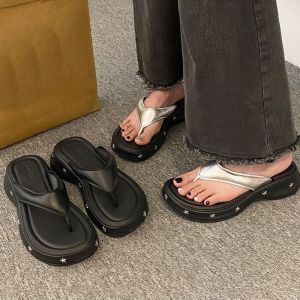
SUDMFK Toe Spring Platform Flip Flops Y2K Soft Beach Slippers Women Fashion Non-Slip Thick Soled Slippers Women
YOTO (Standard Size) Korean Fashion Shoes Casual Leather made Sneakers Low top Rubber Shoes for Women
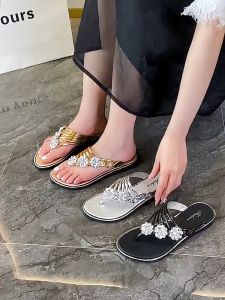
New Summer Women's Shoes: Light & Stylish Flip Flops
Womens slip-on shoes fashionable cloth shoes womens Korean style pumps
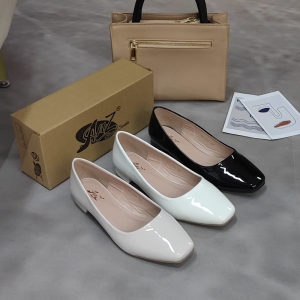
summer fashion 1/2 Inch heel 2cm square toe glossy Leather Black Shoes heels shoes for women
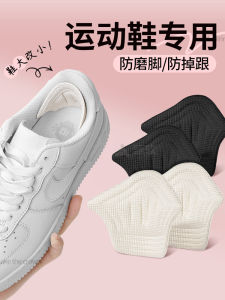
Women's Invisible Half Size Pads & Sports Shoes Heel Stickers: Anti-Fall & Wear-Resistant Repairing Shoe Accessories