


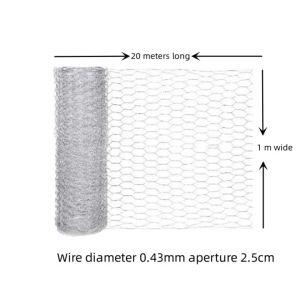
5M/20M Iron Barbed Wire Roll Poultry Netting White Chicken Wire Fence Mesh Poultry Fencing Hexagonal Fencing Mesh
5M/20M Iron Barbed Wire Roll Poultry Netting White Chicken Wire Fence Mesh Poultry Fencing Hexagonal Fencing Mesh
What is Poultry Netting?
Poultry netting, also known as chicken wire mesh, is a versatile fencing solution designed specifically for protecting poultry from predators and keeping them contained within designated areas. It offers a secure barrier while allowing air circulation and visibility, making it an ideal choice for both small-scale backyard coops and large-scale commercial farms.
Key Features of Poultry Netting
- Durability: Made from high-quality materials, poultry netting is built to withstand harsh weather conditions and resist rust and corrosion.
- Versatility: Available in various sizes and configurations, poultry netting can be easily adapted to fit different environments and needs.
- Ease of Installation: With simple tools and minimal effort, poultry netting can be quickly installed around existing structures or erected as standalone fencing.
Benefits of Using Poultry Netting
- Protection: Keeps poultry safe from predators and other threats, ensuring their well-being and minimizing losses.
- Containment: Prevents poultry from escaping and wandering into dangerous areas, reducing the risk of injury or death.
- Cost-effective: Compared to traditional fencing options, poultry netting is more affordable and easier to maintain, offering long-term savings for farmers and backyard enthusiasts alike.
Choosing the Right Poultry Netting
When selecting poultry netting, consider the following factors to ensure you choose the best option for your needs:
Material Options for Poultry Netting
- Iron Barbed Wire Roll: This durable material provides excellent protection against predators and is resistant to rust and corrosion.
- Hexagonal Fencing Mesh: Featuring a unique hexagonal pattern, this type of poultry netting offers superior strength and stability while allowing air circulation and visibility.
Size Considerations for Poultry Netting
Poultry netting is available in various sizes, including 5M and 20M wire rolls. Choose the appropriate size based on the area you need to enclose and the number of poultry you wish to protect.
How to Install Poultry Netting
Installing poultry netting is a straightforward process that requires minimal tools and effort. Follow these steps to ensure proper installation:
Preparing the Site for Installation
- Clear the area: Remove any debris, rocks, or other obstacles from the site where you plan to install the poultry netting.
- Mark the boundaries: Use stakes and string to mark the perimeter of the area you wish to enclose.
Steps for Installing Poultry Netting
- Unroll the wire roll: Carefully unroll the poultry netting along the marked boundary, ensuring it is taut and level.
- Secure the ends: Use stakes or brackets to secure the ends of the poultry netting to the ground or existing structures.
- Connect adjacent sections: If using multiple rolls, connect adjacent sections using clips or ties to create a continuous barrier.
- Inspect the installation: Check the entire length of the poultry netting to ensure it is properly secured and free from gaps or weak spots.
Maintaining Poultry Netting
Regular maintenance is essential to keep poultry netting in good condition and extend its lifespan. Follow these tips to maintain your poultry netting effectively:
Cleaning and Inspecting Poultry Netting
- Clean regularly: Remove dirt, debris, and bird droppings from the poultry netting to prevent corrosion and maintain its appearance.
- Inspect for damage: Regularly check the poultry netting for signs of wear, such as rust, holes, or broken wires. Address any issues promptly to prevent further damage.
Troubleshooting Common Issues
- Holes or gaps: Repair any holes or gaps by reinforcing the affected area with additional wire or clips.
- Rust or corrosion: Treat rusted areas with a rust inhibitor and apply a protective coating to prevent further damage.
Conclusion
In summary, poultry netting is an essential tool for protecting poultry from predators and keeping them contained within designated areas. By choosing the right material and size, following proper installation procedures, and maintaining the netting regularly, you can ensure the safety and well-being of your poultry while minimizing costs and effort.
Final Thoughts on Poultry Netting
Poultry netting offers a reliable and cost-effective solution for protecting poultry, making it an ideal choice for farmers and backyard enthusiasts alike. With proper installation and maintenance, poultry netting can provide long-term protection and peace of mind for both you and your feathered friends." }

Tao Baby
Review
You May Also Like
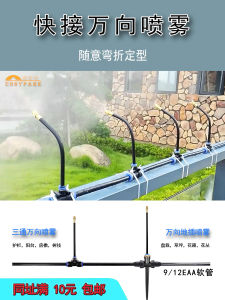
Automatic Self-Watering All-Mount Sprinkler Head Micro-Spraying Cooling Dust-Removal Nozzle for Garden Floristry Irrigation
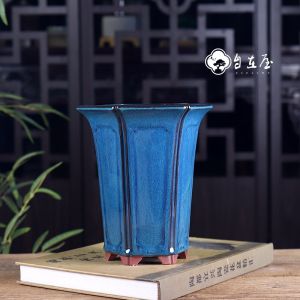
Simplified Chinese Garden Orchid Pot Purple Clay Concave High Six-angled Container Potted Landscape Modern Minimalist Style
![[COD] dfhws 4pcs Cyclonic Scrubbing Brush Plastic Rubber Cyclonic Brush Replacement Parts For Zodiac MX8 Mx6 Cleaner R0714400 Pool Accessor](https://img.lazcdn.com/g/p/a25676c293991d469b028b67e0546bf0.jpg_300x300q80.jpg)
[COD] dfhws 4pcs Cyclonic Scrubbing Brush Plastic Rubber Cyclonic Brush Replacement Parts For Zodiac MX8 Mx6 Cleaner R0714400 Pool Accessor
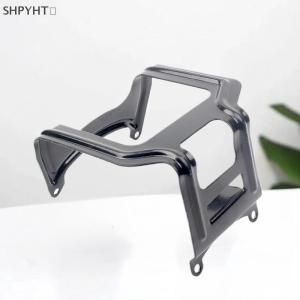
SHPYHT✨ 1 Piece Brush Cutter 40-5 Fuel Tank Holder Stand Fuel Tank Holder Stand For 1E40F 1E44F 43CC 52CC Brush Cutter Lawn Mower
Karcher &Bosch Double-layer Short Nozzle Direct Injection High Pressure Electric Washer Nozzle Spray Gun
![[Ueb]100Pcs Cockroach Traps Sticky Cockroaches Catcher Non-Toxic Pet Safe for Kitchen and Home Use](https://img.lazcdn.com/g/ff/kf/Se555c610c02349168557af8229db2cfdZ.jpg_300x300q80.jpg)
[Ueb]100Pcs Cockroach Traps Sticky Cockroaches Catcher Non-Toxic Pet Safe for Kitchen and Home Use
High-altitude Telescopic Fruit Picker: A Multi-functional Upgrade
ORIGINAL MAYAMA TRAPAL LONA TOLDA 6ft*6ft 6ft*8ft 6ft*9ft 6ft*10ft

Flower Waterer Bottle with Watering Can Gardening Tool Garden Supplies Handheld Drip Irrigation for Plants

Grass Cutter String Trimmer Head with 4 Nylon lines for brush cutter grass trimmer Replacement
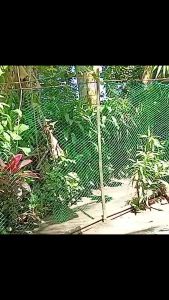
1.8m*20m/50m/100m Chicken Net Range Net For Chicken Lambat Outdoor Bird Net Poultry Net