


Chlorine & Water Treatment Chemicals: A Guide for Swimming Pool Sanitization
Chlorine & Water Treatment Chemicals: A Guide for Swimming Pool Sanitization
Water treatment chemicals play a crucial role in maintaining a clean and safe swimming pool environment. This guide focuses on two essential components: chlorine for swimming pool sanitization and algaecide for water treatment. By understanding the proper use and selection of these chemicals, you can ensure optimal pool maintenance and a healthy swimming experience.
What Are Water Treatment Chemicals?
Water treatment chemicals are substances used to sanitize, balance, and maintain the quality of water in swimming pools. These chemicals work together to eliminate harmful bacteria, algae, and other contaminants, making the water safe for swimmers.
Understanding Chlorine for Swimming Pools
Chlorine is a widely used disinfectant that kills bacteria and other microorganisms in pool water. It is available in various forms, including granules, tablets, and liquid solutions. When added to the pool, chlorine reacts with water to form hypochlorous acid, which effectively sanitizes the water.
Algaecide for Water Treatment
Algaecides are chemicals specifically designed to prevent the growth of algae in swimming pools. Algae can cause unsightly green stains and compromise water quality. By using algaecides, pool owners can keep their pools free from algae and maintain a clear, inviting appearance.
How to Use Chlorine for Swimming Pool Sanitization
To ensure effective chlorination, follow these steps:
- Test the pool water regularly to determine the appropriate amount of chlorine needed.
- Add chlorine to the pool using a skimmer basket, automatic feeder, or by broadcasting it over the surface.
- Allow the chlorine to circulate through the pool's filtration system.
- Monitor the chlorine levels daily and adjust as necessary.
Safety Precautions for Handling Chlorine
When working with chlorine, always follow these safety guidelines:
- Wear protective gloves and eyewear.
- Work in a well-ventilated area.
- Store chlorine away from children and pets.
- Keep chlorine dry and away from flammable materials.
Selecting the Right Pool Cleaning Chemicals
Choosing the right pool cleaning chemicals is essential for optimal pool maintenance. Here are some tips for selecting the best chlorine and algaecide products:
Comparing Different Types of Chlorine
- Granular chlorine is easy to use and dissolves quickly in water.
- Tablet chlorine is convenient for automatic feeders and provides consistent sanitization.
- Liquid chlorine is fast-acting and ideal for shock treatments.
Evaluating Algaecides for Optimal Pool Maintenance
- Choose algaecides based on the specific type of algae present in your pool.
- Consider the strength and concentration of the algaecide.
- Look for products that are easy to apply and compatible with your pool's existing chemical balance.
Maintaining a Healthy Swimming Pool Environment
Regular testing and monitoring of pool water chemistry is essential for maintaining a healthy swimming pool environment. Here are some key factors to consider:
Regular Testing & Monitoring
- Test the pool water for pH, alkalinity, and chlorine levels at least once a week.
- Adjust the chemical balance as needed to maintain optimal water quality.
Balancing pH Levels & Water Chemistry
- Aim for a pH level between 7.4 and 7.6.
- Maintain a total alkalinity level between 80 and 120 ppm.
- Keep the calcium hardness level between 200 and 400 ppm.
Conclusion: Ensuring Clean & Safe Swimming Pool Water
By understanding the proper use and selection of water treatment chemicals, pool owners can ensure clean and safe swimming pool water. Regular testing, monitoring, and adjustment of water chemistry are essential for maintaining a healthy swimming environment. With the right knowledge and tools, anyone can enjoy a sparkling, algae-free pool all season long.

Only Horse
Review
You May Also Like

10/20/30PCS Stainless Steel BBQ Skewers: Perfect Outdoor Camping Cooking Tools
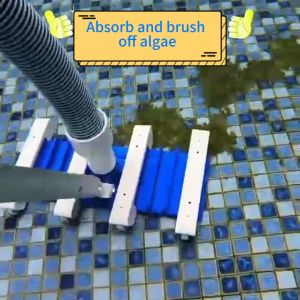
Swimming Pool Cleaning Set: Long Telescopic Pipes & Underwater Vacuum Cleaner
20PCS Adjustable Irrigation Dripper Sprinkler Spray Sprinkler 1/4 Inch Emitter Dripper Sprinkler System
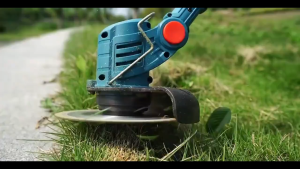
Portable Grass Cutter Cordless Lawn Mower 22500mAh Rechargeable Lithium Battery Electric Grass Cutter Trimmer Brush Cutter Weed Adjustable Multifunction Home Garden Trimmer Tool
Strimmer Bump Spool 2 Lines Lawn Mower Trimmer Head PP Universal M10*1.25 Grass Trimmer Head
Plastic Fence Net Black Farm Net Small Roll Aperture Geogrid Garden Range Fence Net For Chicken Farm Screen Net For Orchard Garden Protection Range Fence
Disposable Green Pine Needle BBQ Bamboo Skewers Burger Bar Sushi 100 Pieces per Order Fast Food Restaurant Catering Supplies
30W Indoor & Outdoor Electric Mosquito Lamp: A Comprehensive Guide
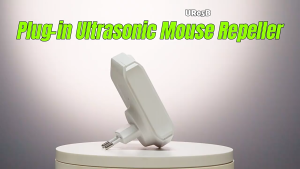
Ultrasonic rodent repellent insect repellent household animal repellent
SeedsPLAZA™ - Clitoria Ternatea (10 Seeds) for Planting Herbal Plants + Instructions for Blue Butterfly Pea Plant Seed
CHC Agritech Activator: A Natural Solution for Solid & Water Waste Treatment