


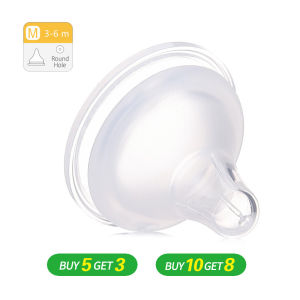
Buy 10 Plus 8 Nipple For Pigeon 5cm Wide Neck Feeding Bottles: Liquid Silicone Teats Replacement No BPA
Buy 10 Plus 8 Nipple For Pigeon 5cm Wide Neck Feeding Bottles: Liquid Silicone Teats Replacement No BPA
Background Information
Overview of Pigeon Feeding Bottles
Pigeon feeding bottles are widely used in the United States for their high quality and safety standards. They are designed to provide a comfortable feeding experience for babies, with features such as a wide neck for easy cleaning and a soft, gentle flow.
Why Choose Liquid Silicone Teats?
Liquid silicone teats offer numerous advantages over traditional rubber nipples. They are soft, flexible, and gentle on baby's gums, while also being more durable and less prone to tearing. Additionally, liquid silicone teats are easy to clean and sterilize, making them a popular choice among parents.
Benefits of No BPA Feeding Accessories
BPA-free feeding accessories are essential for the health and safety of babies. BPA, or Bisphenol A, is a chemical used in some plastics and resins that can potentially cause harm if ingested. By choosing no BPA feeding accessories, you can ensure that your baby is safe from potential health risks.
How to Choose the Right Replacement Nipple
Understanding Different Types of Nipples
When choosing a replacement nipple, it's important to understand the different types available. There are various flow rates and shapes to choose from, depending on your baby's age and feeding needs.
Factors to Consider When Choosing a Nipple
When selecting a replacement nipple, consider factors such as your baby's age, feeding preferences, and any special requirements they may have. It's also essential to ensure that the nipple is compatible with your Pigeon feeding bottle.
Ensuring Compatibility with Your Pigeon Bottle
To ensure compatibility with your Pigeon feeding bottle, check the nipple size and shape before purchasing. The nipples included in this package are specifically designed for Pigeon feeding bottles with a 5cm wide neck.
How to Install the New Nipple
Step-by-Step Guide to Installing a New Nipple
- Wash your hands thoroughly before handling the new nipple.
- Remove the old nipple from the bottle by twisting it counterclockwise.
- Clean the inside of the bottle neck to remove any residue.
- Insert the new nipple into the bottle neck and twist clockwise until secure.
- Test the nipple flow rate to ensure it's appropriate for your baby's age and feeding needs.
Troubleshooting Common Issues
If you encounter any issues during installation, try the following troubleshooting steps:
- Check that the nipple size and shape are compatible with your Pigeon feeding bottle.
- Make sure the nipple is inserted correctly and securely.
- If the nipple flow rate is too slow or too fast, consider using a different nipple type or flow rate.
Care and Maintenance of Liquid Silicone Teats
Cleaning and Sterilizing Instructions
To keep your liquid silicone teats clean and hygienic, follow these care instructions:
- Wash nipples before first use and after each use.
- Boil nipples in water for at least five minutes to sterilize.
- Store nipples in a dry, clean place away from direct sunlight.
Extending the Lifespan of Your Teats
To extend the lifespan of your liquid silicone teats, avoid using harsh chemicals or abrasive sponges during cleaning. Instead, use mild soap and water, and gently scrub the teats with a soft brush.
Frequently Asked Questions
What Are the Advantages of Liquid Silicone Teats?
Liquid silicone teats offer numerous advantages over traditional rubber nipples, including being soft, flexible, gentle on baby's gums, durable, easy to clean, and BPA-free.
Can I Use These Nipples with Other Bottles?
While these nipples are specifically designed for Pigeon feeding bottles with a 5cm wide neck, they may be compatible with other brands. However, it's essential to check the nipple size and shape before purchasing to ensure compatibility.
How Often Should I Replace My Nipples?
It's recommended to replace nipples every three months or sooner if they show signs of wear, such as cracks or tears. Regular replacement helps maintain the safety and hygiene of your baby's feeding experience." }

Bia-baby
Review
You May Also Like

Baby Carrier Ergonomic Infant Multifunctional Waist Stool Newborn To Toddler Multi-use Before and Af
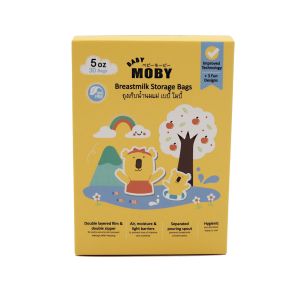
BABY MOBY BREASTMILK STORAGE BAGS 150ml / 5oz (30 bags)
![China Shipping [2025] Lion Paradise Baby Diapers Lightweight Newborn Baby Diapers Soft Dry Breathable Pull-up Pants Manufacturer 3.8](https://img.lazcdn.com/g/ff/kf/S087e915274d2485eb44d367731bc1628s.jpg_300x300q80.jpg)
China Shipping [2025] Lion Paradise Baby Diapers Lightweight Newborn Baby Diapers Soft Dry Breathable Pull-up Pants Manufacturer 3.8
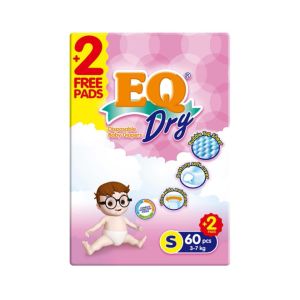
EQ Dry Jumbo Pack Small 60 - Tape Baby Diapers
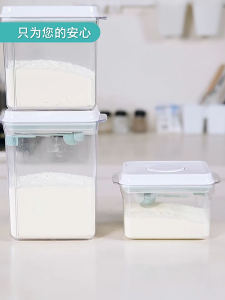
Air Tight Milk Powder Container Milk Storage Container Powder With Scraper - Rectangle Scraper
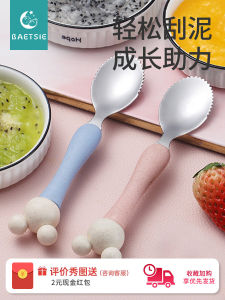
Baby Fruit Puree Spoon Double Headed Stainless Steel 304 Multifunctional Apple Puree Scraper Infant Feeding Auxiliary Tool
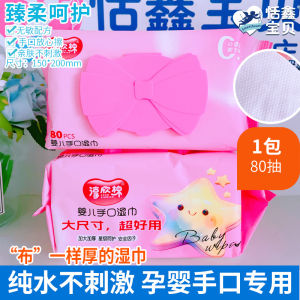
Pure Comfort Cotton Wet Wipes 80 Sheets Baby Hand Mouth Wet Wipes Extra Thick Affordable Family Pack Large Size
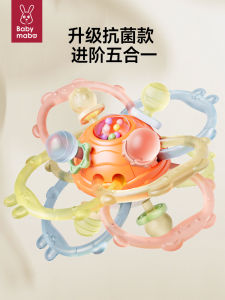
Newborn Baby Teething Toy Manhattan Handheld Ball Chewable Soothing Touch Toy for 0-1 Year Old Babies Plastic Toys for Boys And Girls
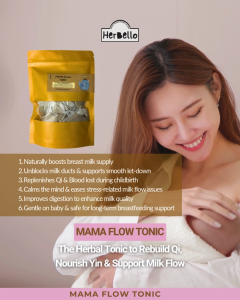
Mama Flow Tonic| Lactation| Milk Flow

Kulambo Mosquito Net for Newborn Infant Baby | Gabriella Infants Collection
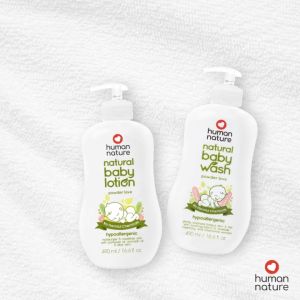
Bonita || Human Nature Baby Wash