


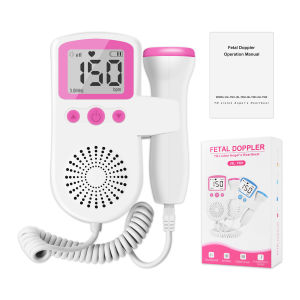
JBMBHC Doppler Fetal Heart Rate Monitoring Home Pregnant Women Listen To Baby Fetal Movement Ultrasound Stethoscope
JBMBHC Doppler Fetal Heart Rate Monitoring Home Pregnant Women Listen To Baby Fetal Movement Ultrasound Stethoscope
Introduction to JBMBHC Doppler Fetal Heart Rate Monitor
The JBMBHC Doppler Fetal Heart Rate Monitor is a portable, non-invasive device designed for pregnant women to listen to their baby's heartbeat and monitor fetal movement at home. This easy-to-use ultrasound stethoscope allows expectant mothers to keep track of their baby's health and development, providing peace of mind throughout pregnancy.
Overview of the Device
The JBMBHC Doppler Fetal Heart Rate Monitor is a compact, handheld device that operates using ultrasound technology. It features a sensitive probe that detects the baby's heartbeat and movement, transmitting the sound through headphones for the mother to hear. The device is battery-powered and includes a carrying case for convenient storage and transport.
Key Features and Benefits
Some of the key features and benefits of the JBMBHC Doppler Fetal Heart Rate Monitor include:
- Portable and compact design for easy use at home or on-the-go
- Non-invasive ultrasound technology for safe monitoring
- Sensitive probe detects baby's heartbeat and movement
- Headphones provide clear sound quality
- Battery-powered for convenience
- Includes carrying case for easy storage and transport
How to Use the JBMBHC Doppler Fetal Heart Rate Monitor
Using the JBMBHC Doppler Fetal Heart Rate Monitor is simple and straightforward. Follow these steps to set up and operate the device:
Step-by-Step Guide to Setting Up the Device
- Charge the device using the included USB cable and power adapter.
- Place the probe on your abdomen, moving it around until you hear the baby's heartbeat through the headphones.
- Adjust the volume control to your desired level.
- Monitor the baby's heartbeat and movement as needed.
Proper Technique for Listening to Baby's Heartbeat
To get the most accurate results from the JBMBHC Doppler Fetal Heart Rate Monitor, follow these tips:
- Use the device after 18 weeks of pregnancy, when the baby's heartbeat is strong enough to detect.
- Place the probe on your abdomen, moving it around until you hear the baby's heartbeat through the headphones.
- Adjust the volume control to your desired level.
- Monitor the baby's heartbeat and movement as needed.
Tips for Monitoring Fetal Movement at Home
Monitoring fetal movement at home is an important aspect of prenatal care. Here are some tips for using the JBMBHC Doppler Fetal Heart Rate Monitor to monitor fetal movement:
- Use the device after 28 weeks of pregnancy, when the baby's movements are more pronounced.
- Place the probe on your abdomen, moving it around until you feel the baby's movements through the probe.
- Monitor the baby's movements as needed.
Understanding the Importance of Fetal Monitoring
Fetal monitoring is an essential part of prenatal care, allowing expectant mothers to keep track of their baby's health and development. There are several reasons why pregnant women should monitor their baby's heartbeat and movement at home:
Why Pregnant Women Should Monitor Baby's Heartbeat
Monitoring the baby's heartbeat can help detect any potential issues early on, allowing for prompt medical intervention if necessary. It can also provide reassurance and peace of mind for expectant mothers.
Benefits of Using a Home Fetal Movement Monitor
Using a home fetal movement monitor like the JBMBHC Doppler Fetal Heart Rate Monitor can provide several benefits, including:
- Increased peace of mind for expectant mothers
- Early detection of potential issues
- Improved prenatal care
How to Interpret Results from the Doppler Fetal Heart Rate Monitor
Interpreting results from the JBMBHC Doppler Fetal Heart Rate Monitor requires some basic knowledge of fetal heart rate patterns. Here are some guidelines to keep in mind:
- A normal fetal heart rate is between 110 and 160 beats per minute.
- Variations in heart rate can be caused by the baby's activity level, position, and other factors.
- If you notice any unusual patterns or changes in the baby's heartbeat, consult your healthcare provider.
Comparison with Other Fetal Monitoring Devices
There are several different types of fetal monitoring devices available on the market, each with its own advantages and disadvantages. Here's how the JBMBHC Doppler Fetal Heart Rate Monitor compares to other options:
Differences Between JBMBHC Doppler & Other Options
The JBMBHC Doppler Fetal Heart Rate Monitor differs from other fetal monitoring devices in several ways:
- It is portable and compact, making it easy to use at home or on-the-go.
- It uses non-invasive ultrasound technology, which is safe for both mother and baby.
- It includes headphones for clear sound quality.
Advantages of Using the JBMBHC Doppler Over Other Devices
Some of the advantages of using the JBMBHC Doppler Fetal Heart Rate Monitor over other devices include:
- Portability and convenience
- Non-invasive technology
- Clear sound quality
Conclusion: Choosing the Right Fetal Monitoring Device
Choosing the right fetal monitoring device can be a daunting task, but the JBMBHC Doppler Fetal Heart Rate Monitor is a great option for expectant mothers who want to monitor their baby's heartbeat and movement at home. With its portable design, non-invasive technology, and clear sound quality, this ultrasound stethoscope provides peace of mind and reassurance throughout pregnancy.

JBMBHC
Review

You May Also Like

Collapsible Kids Bath Bucket: A Compact Bathing Solution

KiKi 3in1 Portable Baby Pacifier Super Soft Imitation Breast Milk Silicone Coaxing Baby Artifact Anti-lost Chain 0-6 Months
Hegen Nipples Replacement for Square baby feeding bottles Silicone nipple Accessories 123 years old soft teats

Detachable stroller storage bag phone bag and shoulder strap insulated cup holder suitable for stroller universal stroller storage bag
Pleasant Baby Moisturizing Cream & Soft Tissue: An Affordable Pack for Home Use

12PCS Magnetic 3D Stick Ball Building Blocks Educational Toy Kids Magnetic 3d Stick Ball Toy Block

2 in 1 Maternity Pillow Maternity Back Support Cushion for Pregnant Women U-Shape Positioning Multi-Functional Pregnancy Cushion Belly Support Dismantled Sleeping Pillow

Antibacterial Bamboo Fiber Small Towel for Newborn Babies Children Face Washing Adult Beauty Wipes Class a Universal Towels

Baby stroller mosquito net cover universal printed baby mosquito net trolley pinalaki na naka-encrypt na mesh na takip ng lamok

Baby Potty Training Cute Cartoon Cow Portable Folding Toilet Boy Girl Anti-slip Toilet Seat

Safe Baby Cradle Set Baby Duyan/Hammock/Spring/Hanger/Mosquito Net/Swingchair/Swingcrib/Bassinet 5 Fingers Spring