


Brass Swing Check Valve DN50: A Comprehensive Guide
Brass Swing Check Valve DN50: A Comprehensive Guide
Introduction to Brass Swing Check Valves
What is a Brass Swing Check Valve?
A brass swing check valve is a type of one-way check valve designed to regulate the flow of fluid within a pipe system. This valve ensures that fluids only flow in one direction, preventing backflow and potential damage to the system.
Key Features of Brass Swing Check Valves
- Made from durable brass material, providing excellent corrosion resistance
- Designed to handle various types of fluids, including water, oil, and gas
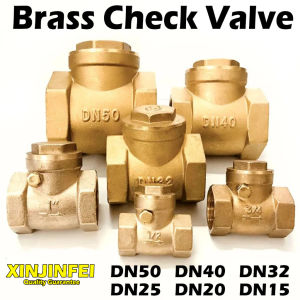
- Available in different sizes, including DN50, DN40, DN32, DN25, DN20, and DN15
Applications of Brass Swing Check Valves
Brass swing check valves find applications in various industries, such as:
- Water treatment plants
- HVAC systems
- Oil and gas pipelines
- Chemical processing facilities
Understanding the DN50 Non Return Valve
How Does the DN50 Non Return Valve Work?
The DN50 non return valve, also known as a one-way check valve, works by allowing fluid to flow in one direction while preventing it from flowing back. The valve consists of a disc or flap that swings open when fluid flows forward, closing automatically when fluid tries to flow backward.
Benefits of Using DN50 Non Return Valves
- Prevents backflow, protecting the system from contamination and damage
- Reduces energy consumption by eliminating the need for additional pumps
- Ensures consistent fluid flow, improving overall system efficiency
Common Misconceptions about DN50 Non Return Valves
Misconception 1: DN50 non return valves are only used in water systems. Reality: These valves can be used in various applications, including oil, gas, and chemical processing systems.
Misconception 2: DN50 non return valves require frequent maintenance. Reality: With proper installation and regular inspection, these valves can operate efficiently for years with minimal maintenance.
Choosing the Right In-Line Horizontal Check Valve
Factors to Consider When Selecting an In-Line Horizontal Check Valve
- Fluid type and properties
- Flow rate and pressure requirements
- Size and compatibility with existing pipe systems
Comparing Different Types of In-Line Horizontal Check Valves
- Swing check valves: Ideal for low-pressure applications and fluids with suspended solids
- Lift check valves: Suitable for high-pressure applications and fluids with high viscosity
- Spring-loaded check valves: Offer quick response times and are ideal for pulsating flow conditions
Tips for Maintaining Your In-Line Horizontal Check Valve
- Regularly inspect the valve for signs of wear or damage
- Clean the valve periodically to remove any buildup or debris
- Replace worn or damaged parts promptly to ensure optimal performance
Installing and Maintaining Brass Swing Check Valves
Step-by-Step Guide to Installing a Brass Swing Check Valve
- Choose the appropriate size and type of valve for your application
- Ensure the valve is compatible with your existing pipe system
- Install the valve according to manufacturer instructions, making sure it is properly aligned and secured
Common Issues and Troubleshooting Tips
Issue 1: Backflow occurs despite the presence of a check valve. Solution: Inspect the valve for signs of wear or damage, and replace any faulty components.
Issue 2: The valve fails to close properly, causing fluid leakage. Solution: Clean the valve and inspect the disc or flap for any obstructions or debris.
Best Practices for Maintaining Your Brass Swing Check Valve
- Regularly inspect the valve for signs of wear or damage
- Clean the valve periodically to remove any buildup or debris
- Replace worn or damaged parts promptly to ensure optimal performance
Conclusion
Recap of Key Points
- Brass swing check valves are essential components in pipe systems, preventing backflow and protecting the system from damage
- DN50 non return valves offer numerous benefits, including energy savings and improved efficiency
- Proper installation and maintenance are crucial for optimal performance and longevity
Final Thoughts on Brass Swing Check Valves
Brass swing check valves play a vital role in various industries, ensuring the safe and efficient operation of pipe systems. By understanding the key features, applications, and maintenance requirements of these valves, you can make informed decisions and optimize your system's performance.

XINJINFEI Hardware
Review

You May Also Like
Bronze Size Reduction Oxygen Tube Fitting Straight One-Row Tower Connector Durable Pipe Joint for Hardware And Tools
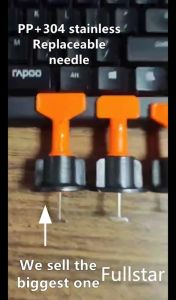
51pcs Tile Leveler Sticks With A Wrench Flooring Carrelage Leveling System Leveler Locator Spacers Auxiliary Tools for Builing Walls and Floors

600pcs Hot Stapler Plastic Repair Kit Welding Stapler Welding Rodsfor Car Auto Bumper and Plastic Repair

Push-button Distribution Box Lock Chassis Cabinet Spring-loaded Flat Lock Push Button Panel Box Lock

REAIM Cordless Chainsaw Electric Hand Saw Portable Wood Cutter 12inch rechargeable SawHandheld high-power Chainsaw Heavy Duty

Porch Poolside Balcony Backyard PVC Floor Decking tiles Indoor Outdoor DIY Interlocking Tiles

Bathroom special plastic steel mud antimold waterproof adhesive white caulking sealant Plastic mud waterproofing adhesive antimold white sealant
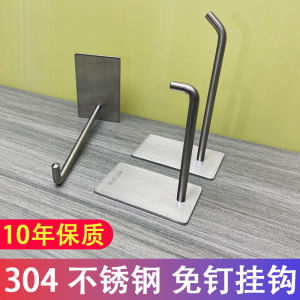
Strong Adhesive Wall Hooks Stainless Steel 304 Kitchen Bathroom Single Coat Hook No Drilling Required Powerful Adhesive
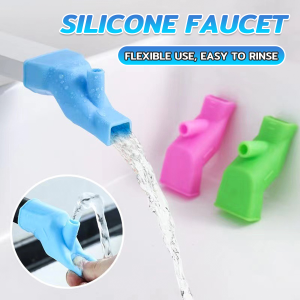
Talao Silicone Water Tap Extension: A Versatile Solution for Your Kitchen & Bathroom
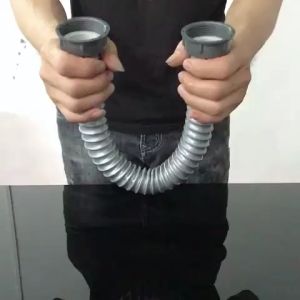
304 Stainless Steel Filter with Drain Line for Kitchen Sink Fittings: Double Filter and Single Filter Options

Rotary Padlock Combination Lock: A Comprehensive Guide