


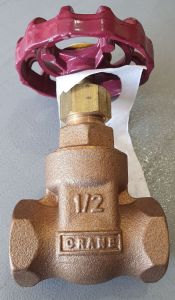
Original Crane Gate Valve 1/2\": A Comprehensive Guide
Original Crane Gate Valve 1/2": A Comprehensive Guide
What Are Gate Valves & Their Specifications?
Gate valves are essential components in fluid control systems, commonly used in various industries, including oil and gas, water treatment, chemical processing, and HVAC. These valves consist of a wedge-shaped gate that moves up and down within the valve body to regulate fluid flow.
Understanding Gate Valve Specifications
Gate valves come in various sizes, materials, and pressure ratings, making it crucial to understand their specifications before purchasing. Key specifications include:
-
Size: Measured in inches or millimeters, indicating the diameter of the valve opening.
-
Material: Typically made from stainless steel, brass, cast iron, or bronze, depending on the application and fluid being controlled.
-
Pressure Rating: Indicates the maximum pressure the valve can withstand, measured in pounds per square inch (PSI) or bar.
-
End Connection Type: Can be threaded, flanged, or socket-welded, depending on the system requirements.
Key Features of High-Quality Gate Valves
A high-quality gate valve should possess the following features:
-
Durable Construction: Made from corrosion-resistant materials to ensure long-lasting performance.
-
Smooth Operation: Equipped with a well-designed stem and handle to provide easy and smooth operation.
-
Leak-Free Sealing: Featuring tight-fitting seals to prevent fluid leakage.
-
Compatibility: Designed to work seamlessly with various systems and fluids.
Common Applications of Industrial Gate Valves
Industrial gate valves are widely used in:
-
Water Treatment Plants: For controlling water flow in treatment processes.
-
Oil & Gas Industry: For regulating fluid flow in pipelines and refineries.
-
Chemical Processing Plants: For managing corrosive fluids and chemicals.
-
HVAC Systems: For controlling air and water flow in heating, ventilation, and air conditioning systems.
How to Choose the Right 1/2 Inch Gate Valve
Selecting the right gate valve for your application requires careful consideration of various factors.
Factors to Consider When Selecting a Gate Valve
When choosing a gate valve, consider the following factors:
-
Size: Ensure the valve size matches the system requirements.
-
Material: Choose a material compatible with the fluid being controlled.
-
Pressure Rating: Select a valve with a pressure rating higher than the expected system pressure.
-
End Connection Type: Choose an end connection type that fits the system requirements.
-
Durability: Opt for a valve with a robust construction and tight-fitting seals.
Comparing Original Crane Gate Valve with Competitors
Original Crane gate valves stand out from competitors due to their superior quality, reliability, and performance. They offer:
-
Superior Durability: Made from high-quality materials, ensuring long-lasting performance.
-
Smooth Operation: Equipped with a well-designed stem and handle for easy and smooth operation.
-
Leak-Free Sealing: Featuring tight-fitting seals to prevent fluid leakage.
-
Compatibility: Designed to work seamlessly with various systems and fluids.
Tips for Proper Installation & Maintenance
To ensure optimal performance and longevity of your gate valve, follow these installation and maintenance tips:
-
Proper Installation: Follow the manufacturer's instructions for correct installation.
-
Regular Inspection: Regularly inspect the valve for signs of wear or damage.
-
Cleaning: Clean the valve regularly to remove any debris or buildup.
-
Lubrication: Lubricate moving parts as recommended by the manufacturer.
Maximizing Performance & Longevity of Your Gate Valve
To maximize the performance and longevity of your gate valve, adhere to these best practices:
Best Practices for Prolonging Gate Valve Lifespan
-
Proper Installation: Follow the manufacturer's instructions for correct installation.
-
Regular Inspection: Regularly inspect the valve for signs of wear or damage.
-
Cleaning: Clean the valve regularly to remove any debris or buildup.
-
Lubrication: Lubricate moving parts as recommended by the manufacturer.
Troubleshooting Common Issues & Repairs
Common issues with gate valves include:
-
Leaking: Tighten the packing gland or replace the valve if necessary.
-
Sticking: Lubricate moving parts or replace the valve if necessary.
-
Corrosion: Replace the valve with a corrosion-resistant material if necessary.
Ensuring Optimal Functionality in Various Environments
To ensure optimal functionality in various environments, consider the following:
-
Temperature: Choose a valve material that can withstand the expected temperature range.
-
Corrosion: Select a corrosion-resistant material if working with corrosive fluids.
-
Pressure: Ensure the valve pressure rating exceeds the expected system pressure.
By following these guidelines, you can maximize the performance and longevity of your Original Crane gate valve.

MGB Electrical & Plumbing Supplies
Review

You May Also Like
LAIS GOURMET BAGOONG ALAMANG GUISADO (SWEET AND SPICY)
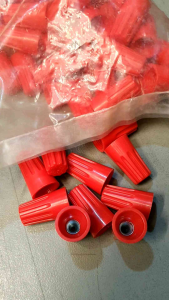
WIRE NUTS RED #8(8.0mm) Per 10pcs

Shark SP720 304 Stainless Steel Tile Insert Floor Drain 10x10 | Durable Anti-Clog & Rust-Resistant

GY SELF INK STAMPS

50pcs Ordinary/Imported Sack Jasmine Denorado Printed & No Print/Plain

COMMON ENGLISH MISTAKES FOR PINOYS
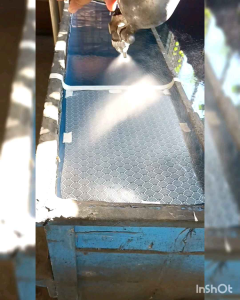
ACTIVATOR FOR HYDRO DIPPING | WATER TRANSFER PRINTING | 300ML | 500ML

SHARK SP 630 Stainless 304 Towel Ring

Tulco Glass Etching Cream 250g: Easy Glass Etching Process
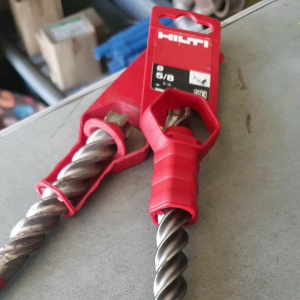
HILTI SDS Masonry Drill Bit 5/8" x 5-1/2" Original Made in Germany
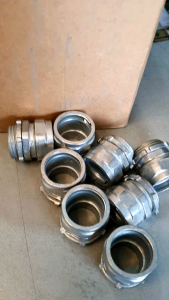
EMT CONNECTOR 3/4" Compression Type Zinc Die Cast (sold per piece)