


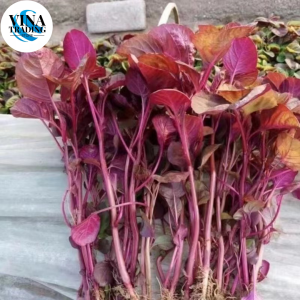
RED SPINACH SEEDS - (2000 seeds) / RED AMARANTH SEEDS / Round Leaves seeds
RED SPINACH SEEDS - (2000 seeds) / RED AMARANTH SEEDS / Round Leaves seeds
Introduction to Red Spinach & Red Amaranth Seeds
What Are Red Spinach & Red Amaranth Seeds?
Red spinach and red amaranth seeds are popular vegetable seeds for gardening enthusiasts. These vibrant plants produce round leaves that are rich in nutrients and have a delicious taste. Red spinach, scientifically known as Amaranthus tricolor, is a leafy green vegetable that belongs to the amaranth family. Red amaranth, on the other hand, is a versatile plant with edible leaves and seeds. Both plants offer numerous health benefits and can be used in various culinary dishes.
Why Choose Red Spinach & Red Amaranth Seeds for Your Garden?
Growing red spinach and red amaranth seeds in your garden offers many advantages. These plants are easy to cultivate, require minimal care, and can thrive in a variety of climates. They are also highly nutritious, containing essential vitamins and minerals that contribute to overall health. Additionally, red spinach and red amaranth are versatile ingredients that can be used in salads, soups, stir-fries, and more.
Growing Red Spinach & Red Amaranth Seeds
How to Plant Red Spinach & Red Amaranth Seeds
Planting red spinach and red amaranth seeds is a straightforward process. Start by selecting a sunny spot in your garden with well-draining soil. Sow the seeds about 1/4 inch deep and space them about 6 inches apart. Water the seeds regularly and keep the soil moist until they germinate. Once the seedlings emerge, thin them out to maintain proper spacing and promote healthy growth.
Caring for Red Spinach & Red Amaranth Plants
Caring for red spinach and red amaranth plants requires minimal effort. Water the plants regularly, especially during hot weather, to keep the soil moist. Mulching around the base of the plants helps retain moisture and suppress weeds. Fertilize the plants with a balanced fertilizer every few weeks to promote healthy growth. Additionally, monitor the plants for signs of pests or diseases and take appropriate measures to control any issues.
Harvesting Red Spinach & Red Amaranth
Red spinach and red amaranth can be harvested once the leaves reach a suitable size for consumption. Harvest the outer leaves first, leaving the inner leaves to continue growing. This method allows for continuous harvesting throughout the growing season. To harvest the seeds, wait until the plants have matured and the seed heads have dried. Cut the seed heads and thresh them to separate the seeds from the chaff.
Benefits of Red Spinach & Red Amaranth Seeds
Nutritional Value of Red Spinach & Red Amaranth
Red spinach and red amaranth are rich sources of essential nutrients. They contain vitamins A, C, and K, as well as minerals like iron, calcium, and magnesium. These nutrients support various bodily functions, including immune system health, bone strength, and energy production. Incorporating these plants into your diet can contribute to overall health and well-being.
Culinary Uses of Red Spinach & Red Amaranth
Red spinach and red amaranth leaves have a mild, slightly sweet flavor that makes them versatile ingredients in the kitchen. They can be used in salads, soups, stir-fries, and other dishes. The leaves can also be cooked like spinach or used as a substitute for spinach in recipes. Red amaranth seeds can be cooked and eaten like quinoa or used as a thickening agent in soups and stews.
Environmental Benefits of Red Spinach & Red Amaranth Seeds
Growing red spinach and red amaranth in your garden has numerous environmental benefits. These plants require minimal water and fertilizer compared to other crops, making them a sustainable choice for gardening. Additionally, they attract beneficial insects and pollinators, which help maintain a healthy ecosystem in your garden.
Frequently Asked Questions About Red Spinach & Red Amaranth Seeds
What Is the Best Time to Plant Red Spinach & Red Amaranth Seeds?
The best time to plant red spinach and red amaranth seeds depends on your climate. In general, these plants thrive in warm weather and can be planted in spring or summer. However, they can also be grown in cooler climates if protected from frost. Consult local gardening resources to determine the optimal planting time for your area.
Are Red Spinach & Red Amaranth Seeds Easy to Grow?
Yes, red spinach and red amaranth seeds are easy to grow. These plants require minimal care and can thrive in a variety of climates. They are resistant to pests and diseases, making them ideal for novice gardeners. With proper planting and care, you can enjoy a bountiful harvest of these nutritious and flavorful plants.
Can I Save Red Spinach & Red Amaranth Seeds for Next Year?
Yes, you can save red spinach and red amaranth seeds for next year's planting. Allow the seed heads to dry completely before harvesting the seeds. Store the seeds in a cool, dry place until the next planting season. By saving seeds, you can reduce costs and ensure a consistent supply of these nutritious plants for years to come.

Vina trading store
You May Also Like
Pack of 5 Lawn Mower Cable Pulley Recoil Starter Rope Lawnmower Starter Rope 1M 4.0mm with Starter Handle Starter Rope
1PC High Pressure Water Hanging Rack Car Washer Bracket Wall Mounted Wash Pipe Hook Hose Tools Storage Holder
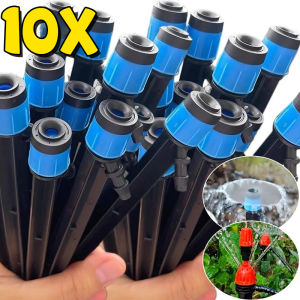
10Pcs Spiked Dripper All Round Scattering Sprinkler 8 Hole Drop Emitter Automatic Spiked Dripper Greenhouse Irrigation Nozzle Atomizing

✨Giveaway Rat poison✨ rat off spray 500ML anti rat spray for car rat spray for car

Folding Grafting Knife Fruit Tree Grafting Flower Tree Sapling Gardening Tools Professional Grafting Cutter
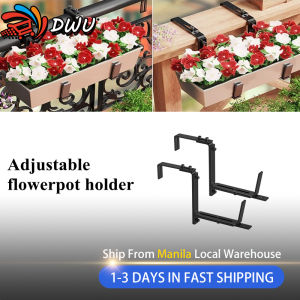
Comprehensive Guide to Hanging Flower Pot Storage Racks & Adjustable Flower Pot Brackets

✨Large Area Spraying✨Insecticide for Vegetable 500g Insecticide

BESTCHLOR .9 Stabilized Chlorine - Granular 25kg/drum | Granular 50kg/drum | Tablet - 50 kg/drum

Creative White Angel Girl Decorative Ornaments Flower Pot Iron Art Resin Craft Statue Plant Corner European Style Home Decor
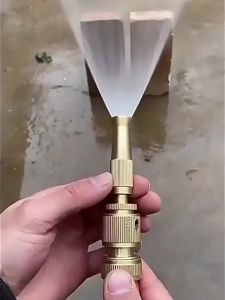
Hose for Water with Nozzle and Connector for Faucet High Pressure Washer 10/15/20M Garden Heavy Duty

2 in 1 24V Cordless Electric Hedge Trimmer Handheld Shrub Pruning Mower Rechargeable Grass Trimmer Shears